
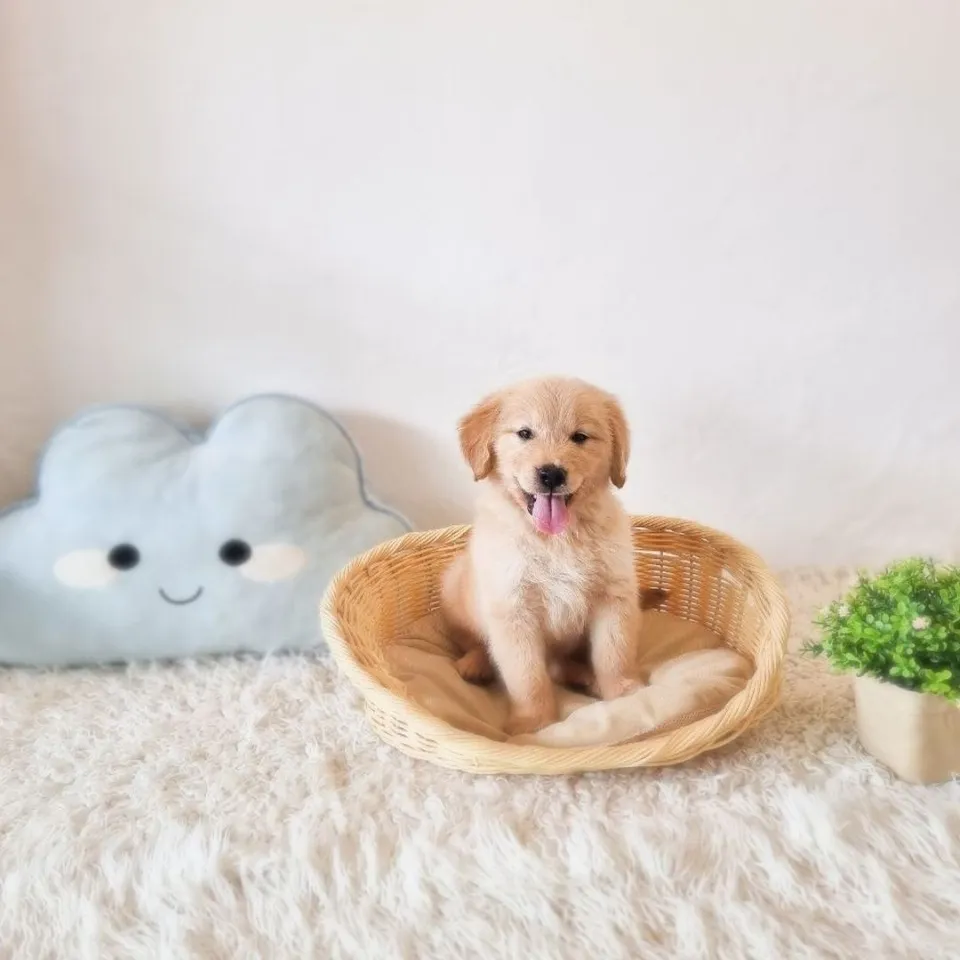
 Available
Golden Retriever puppy
Male3 monthsNot HDB
$7,500
Ask about Golden Retriever puppyGolden Retriever puppy: photos, price and ageSiberian Husky Singapore, the short answer: $5,088–$6,088 from Puppy Singapore, an AVS-licensed seller, vet-checked, vaccinated and microchipped under licence BR25052. At 16–27 kg the breed is not on HDB's approved list, and an Arctic coat on the equator makes air conditioning a requirement.
This page is written to talk some people out of the breed. If your home cannot stay cool and secure, the honest answer is elsewhere on this site, and the rest of this page explains why we would rather lose the sale.
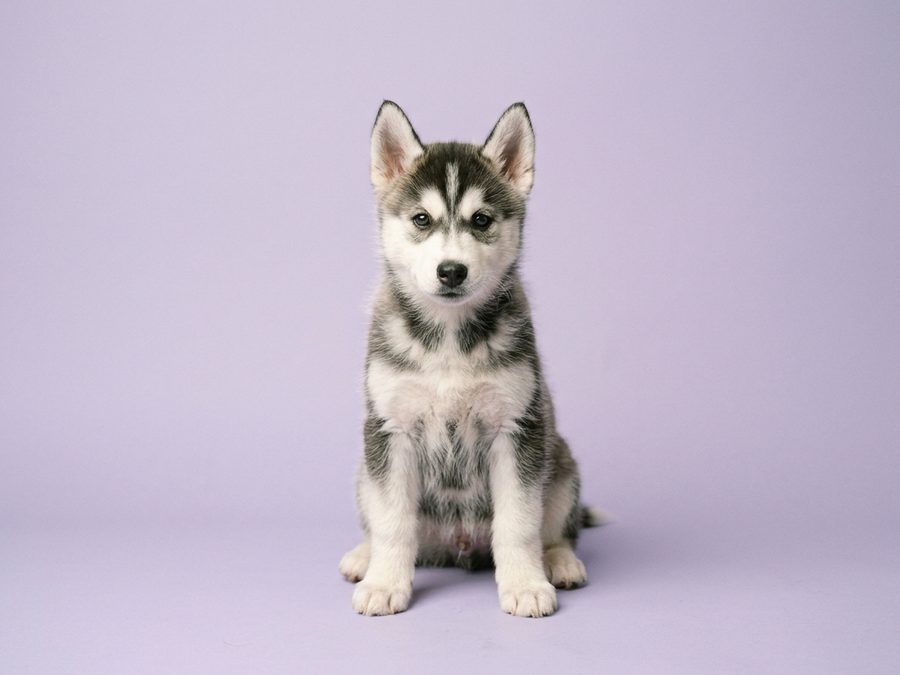
No Siberian Husky is listed here this week. Litters of this breed are infrequent in Singapore, so a gap is normal rather than a sign that something is wrong.
With us this week, for a condo or landed home
These are not Siberian Huskys and they are not a substitute for one. They are the breeds we have puppies of today that suit the same kind of home, counted from the same roster the availability page renders.
The puppies that come closest
Real puppies at the farm today, photographed and priced, from the breeds above. Message us about one and we will send video the same day.
Available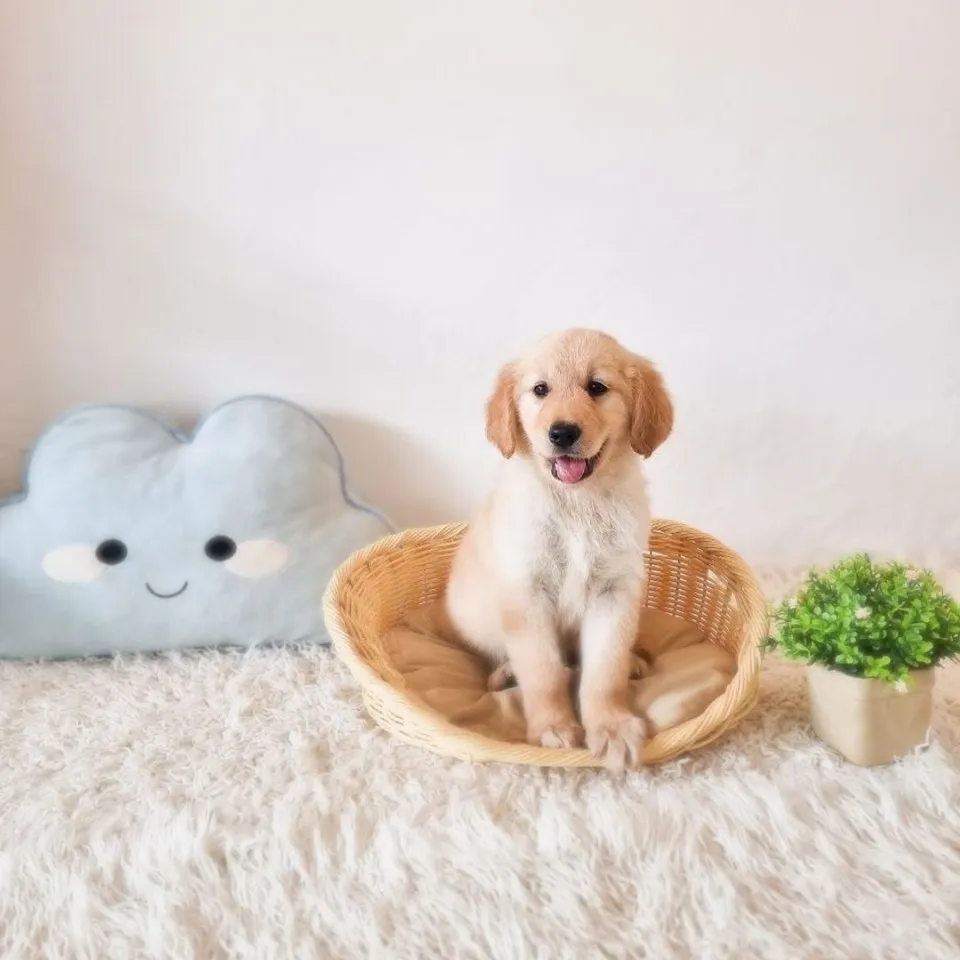 Available
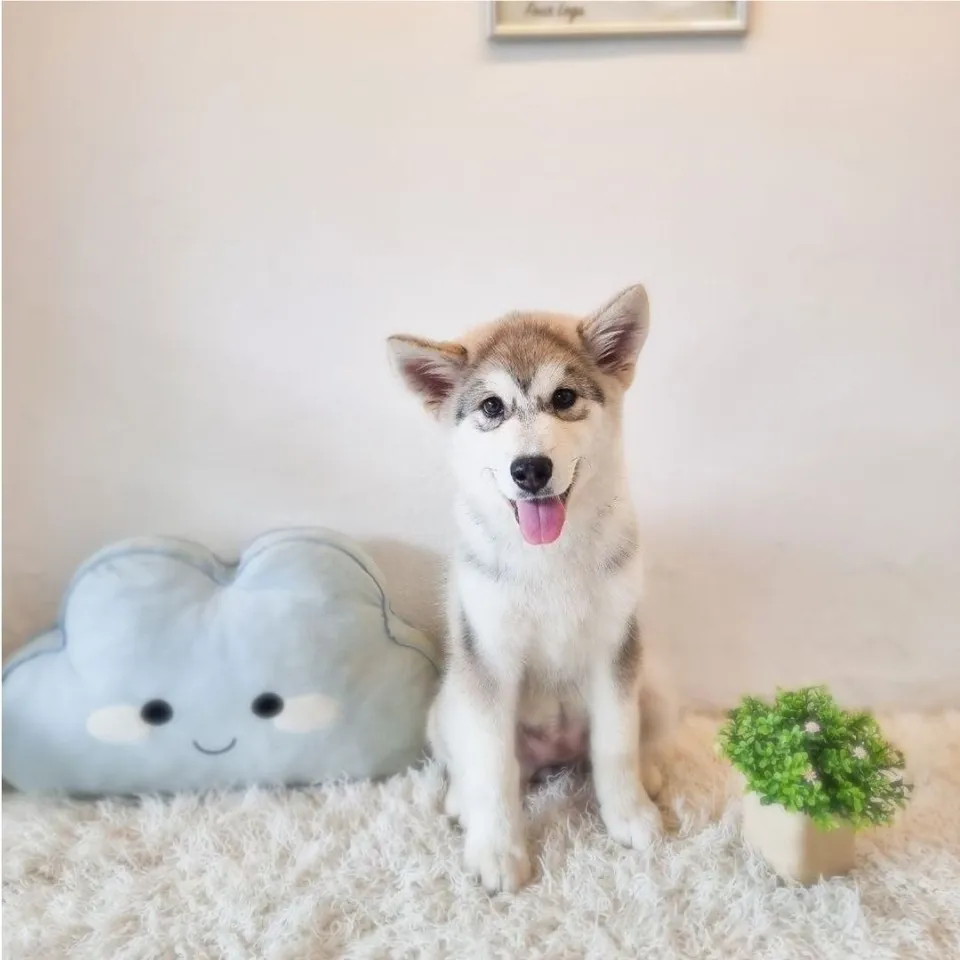 Available
 Available
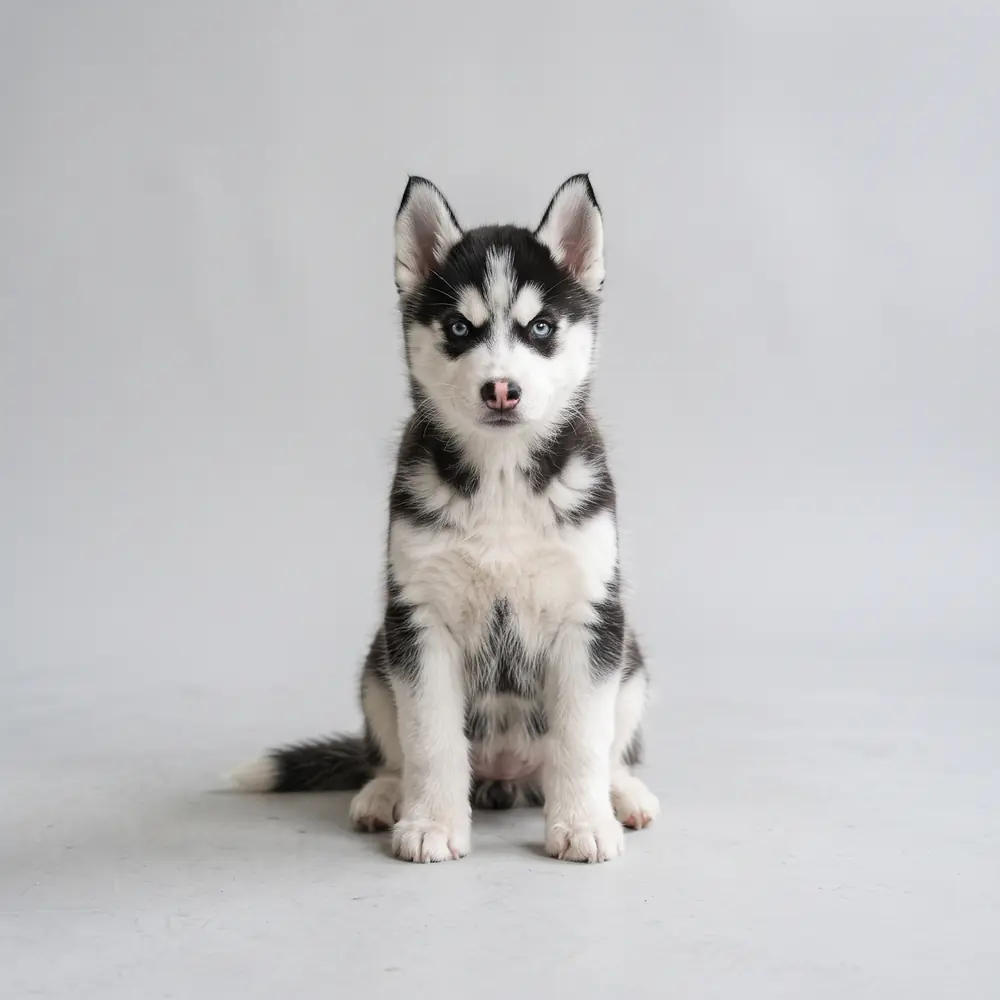
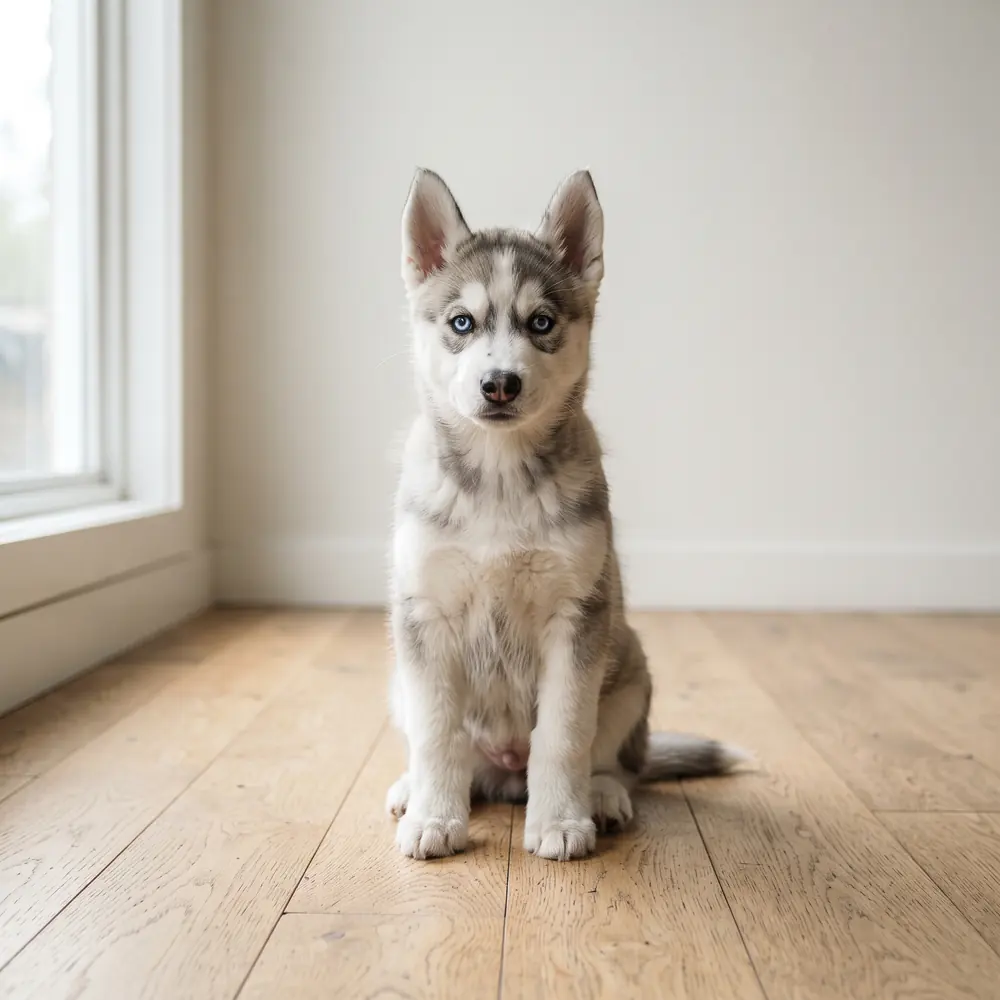
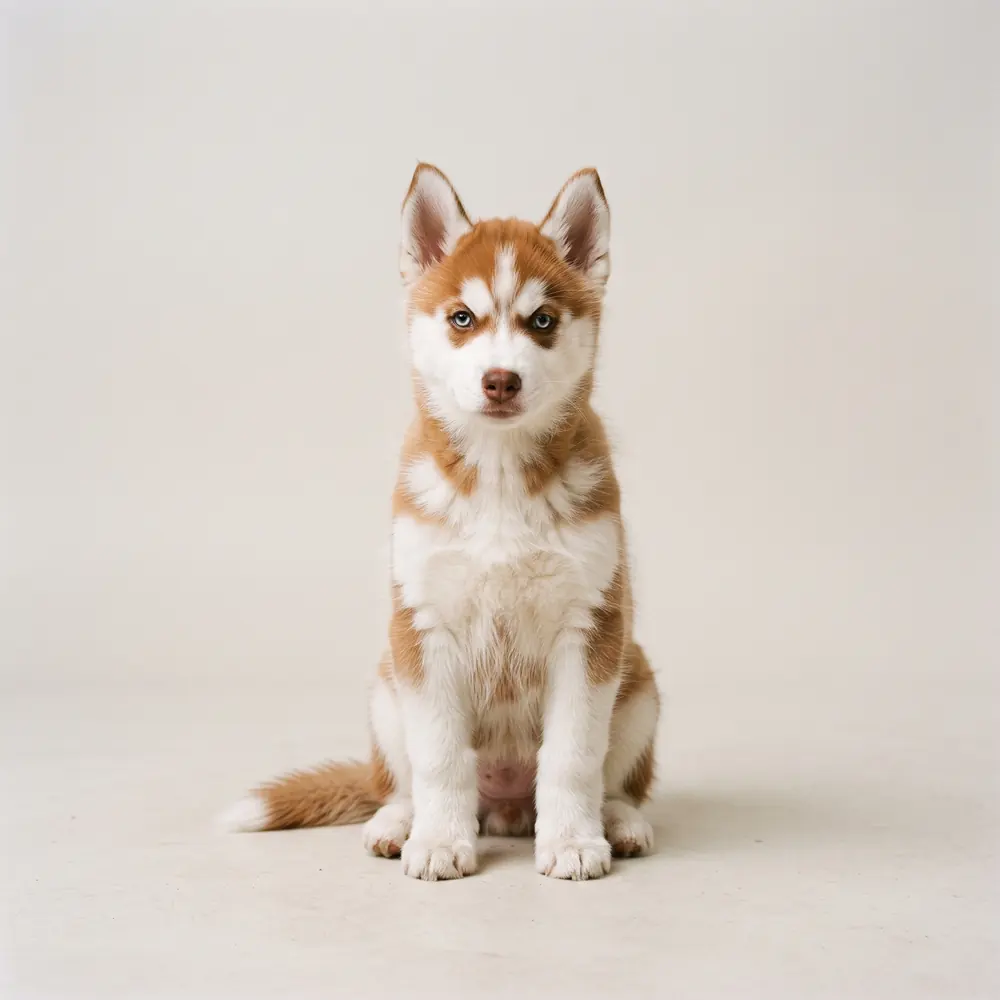
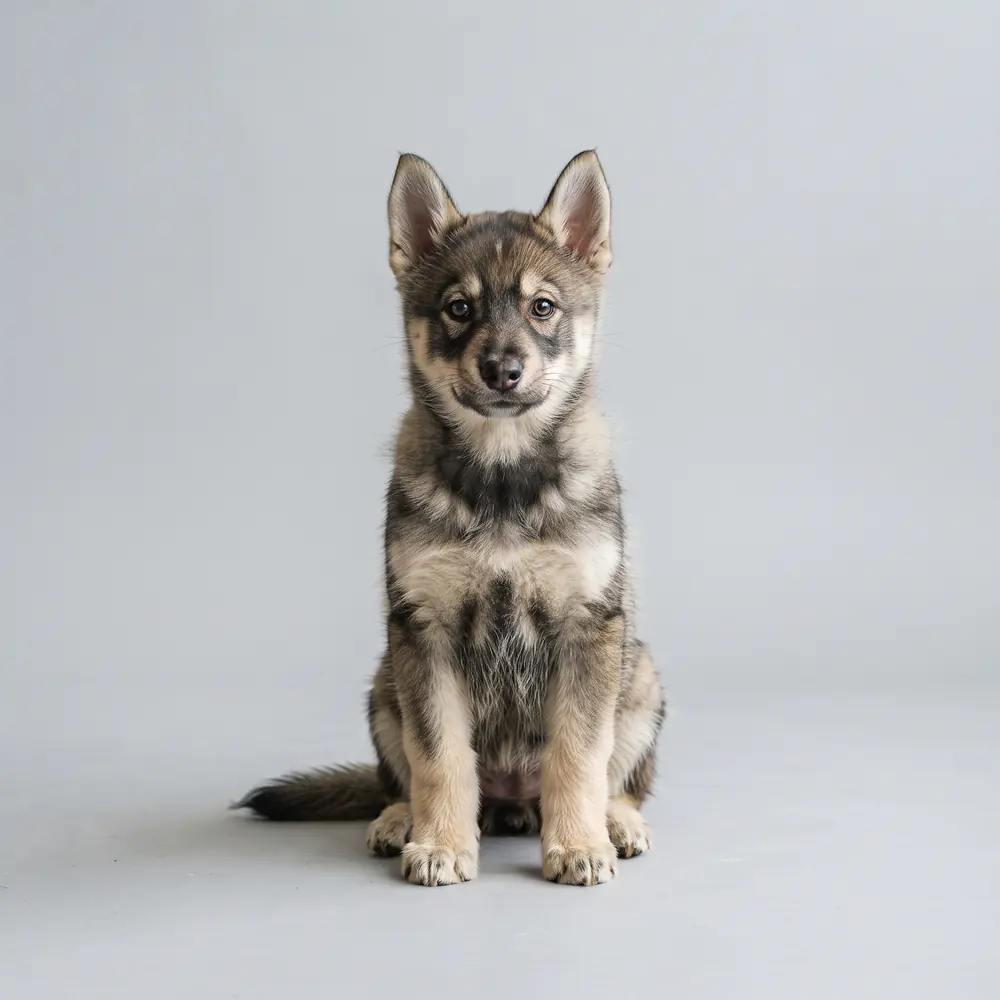
Nine illustrations of the breed: the coat colours a Siberian Husky comes in, the size it grows to, and the coat between grooming appointments. These are drawings of the breed, not photographs of puppies for sale. Every puppy we really have is photographed and listed on the availability page.
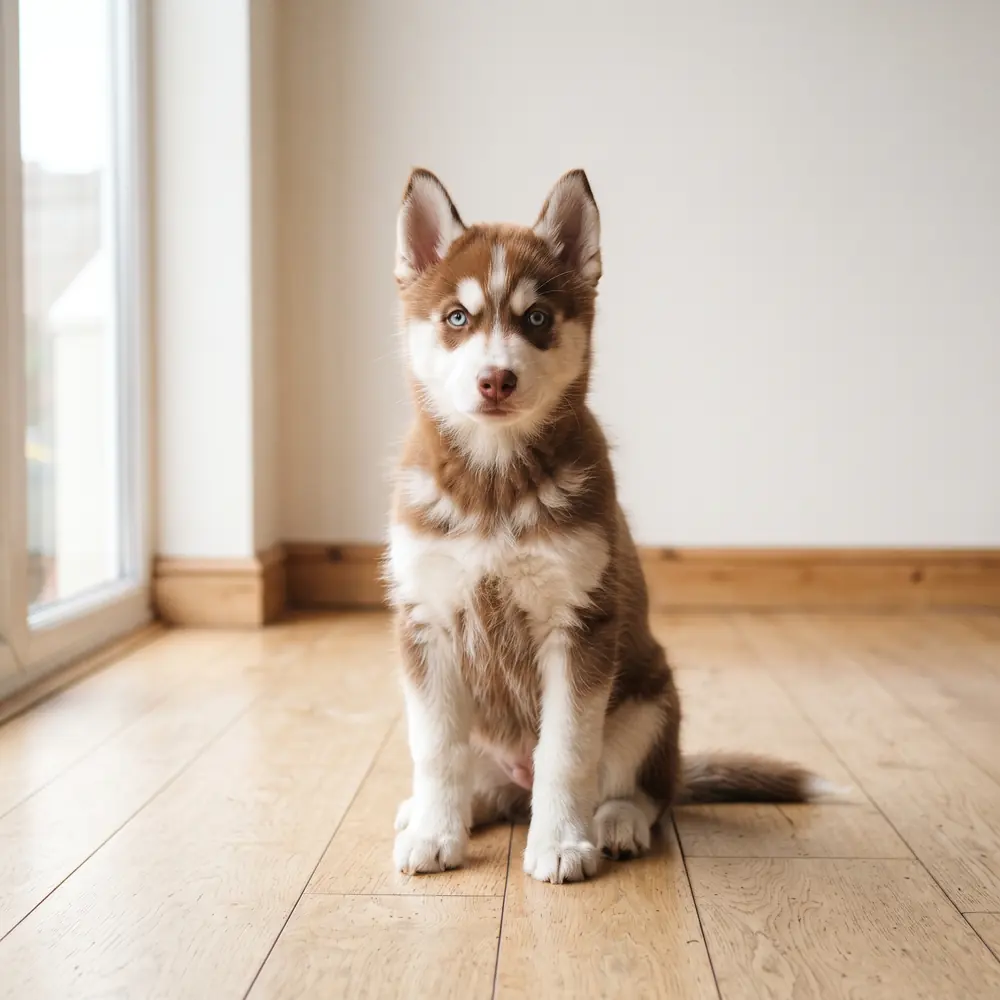
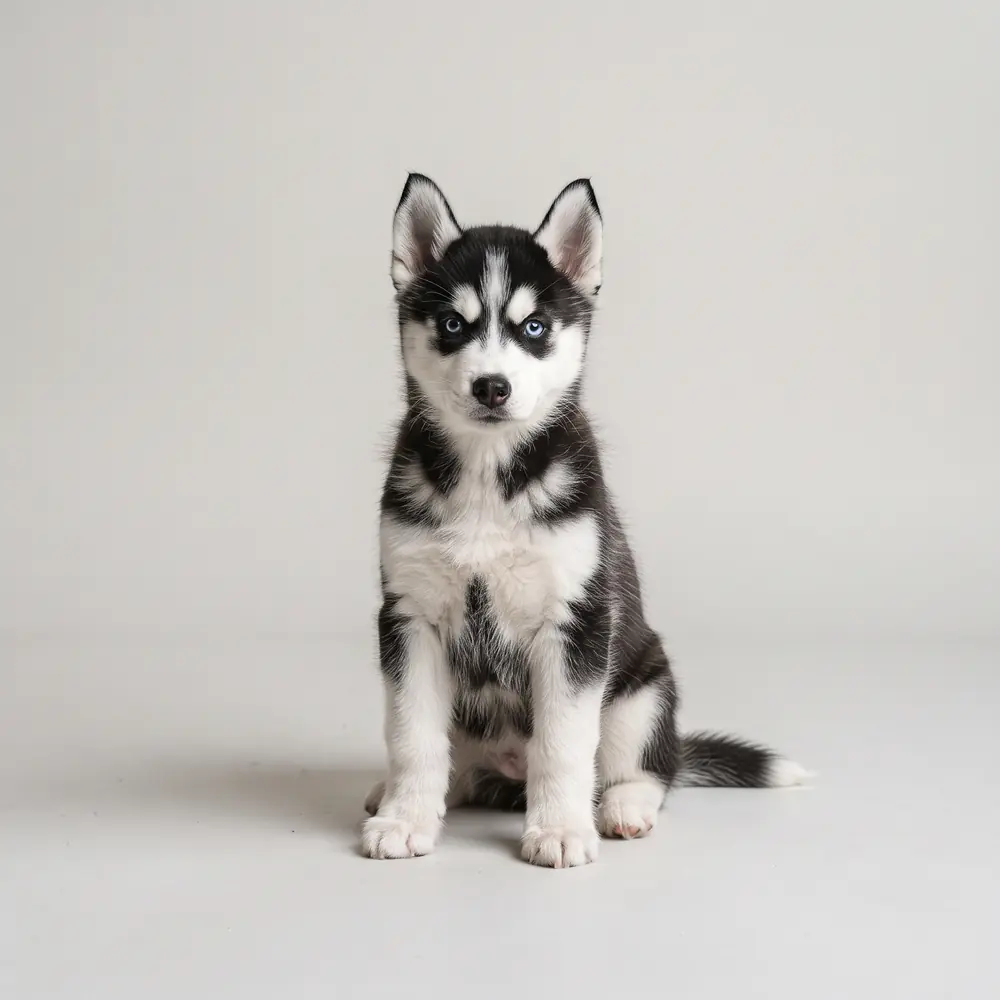
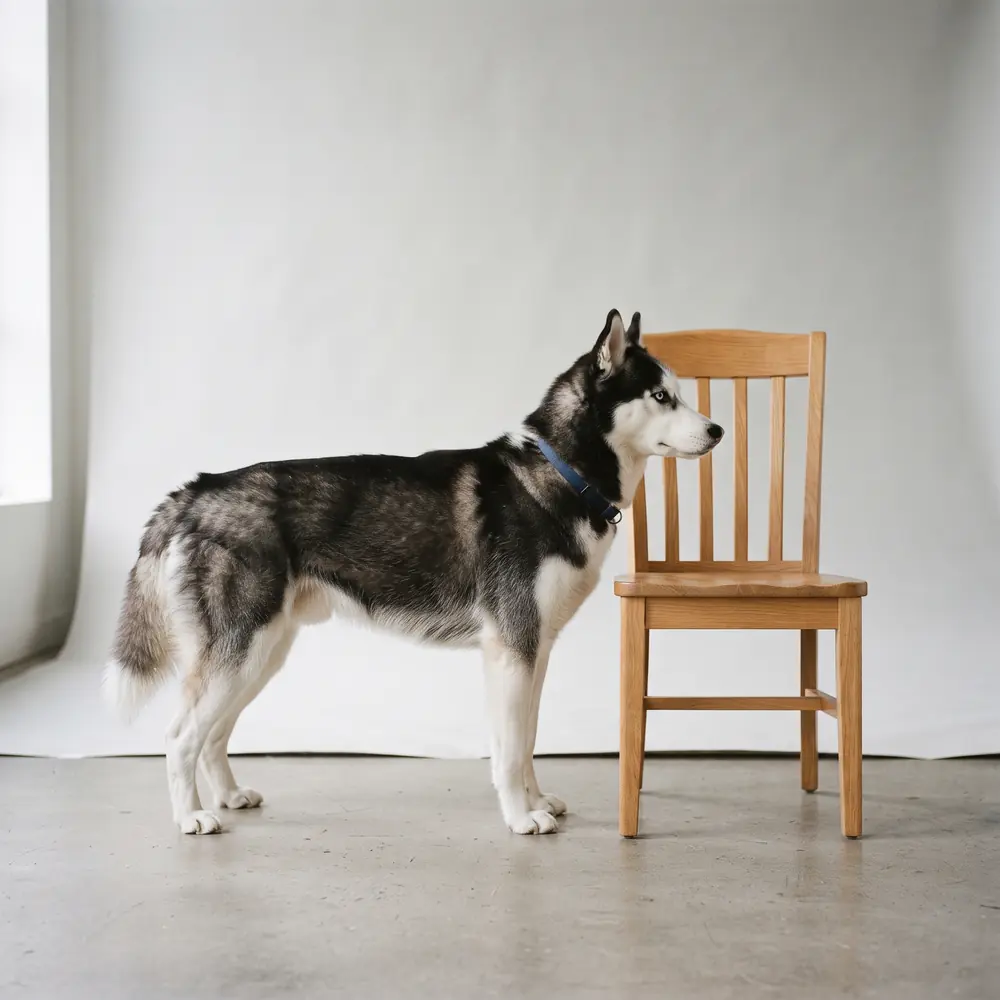
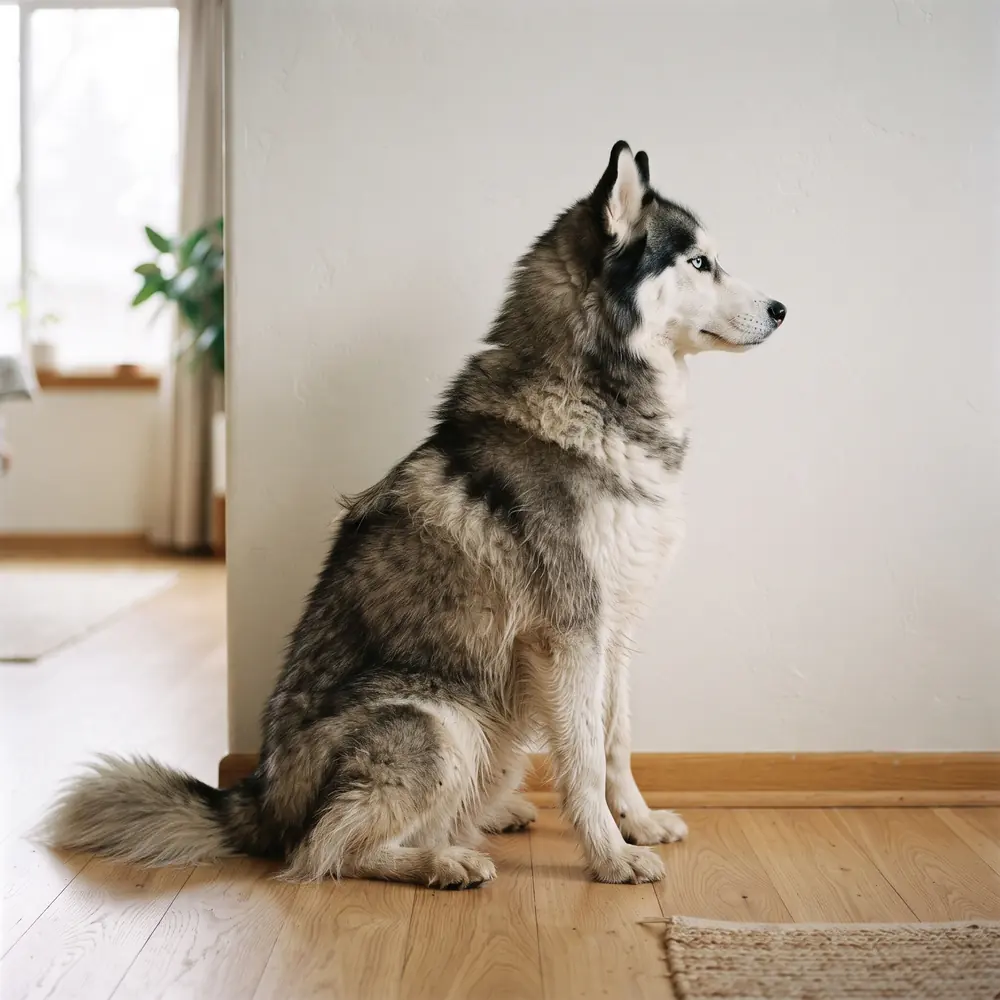
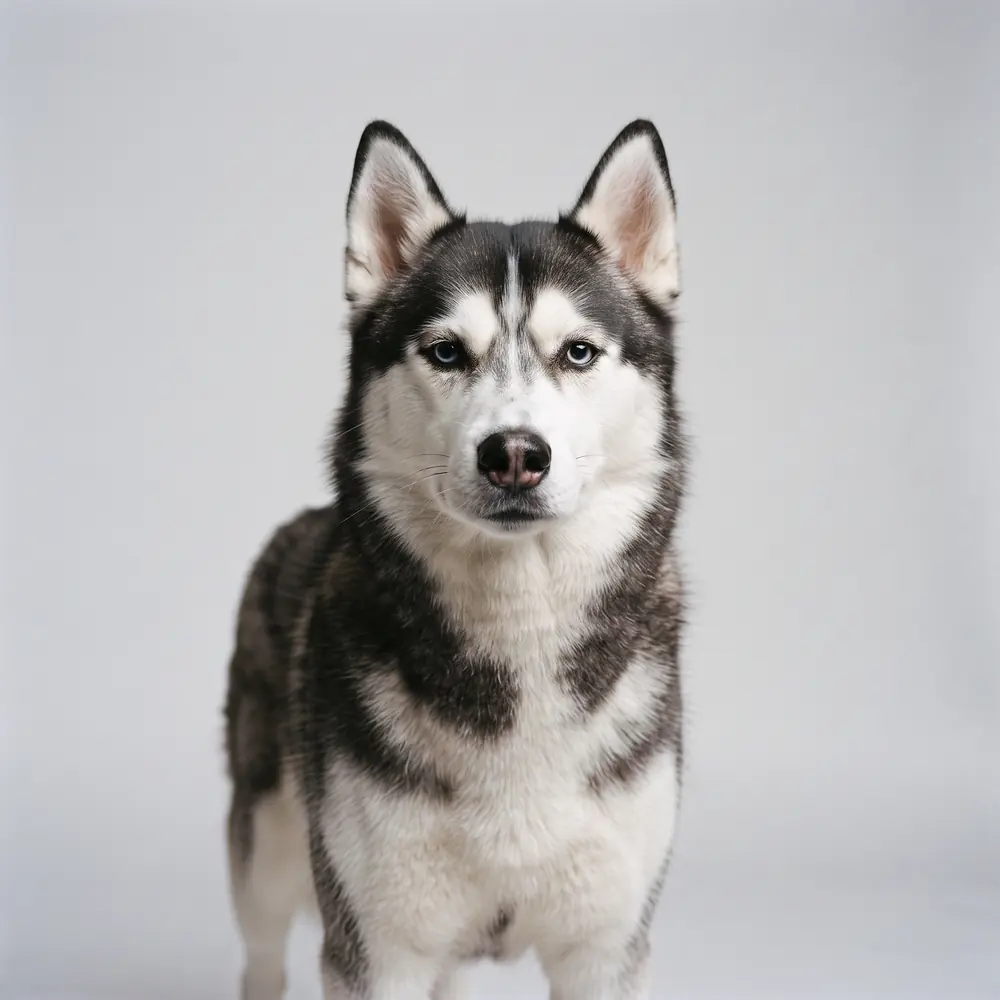
Yes and no, because two questions get mixed together. The Siberian Husky is legal to own in Singapore from a licensed seller with a valid AVS dog licence, and it is not on HDB's approved breed list, so it cannot be kept in a flat. Condo that permits large dogs, or landed.
A Siberian Husky puppy costs $5,088–$6,088 from an AVS-licensed seller. Every Siberian Husky Singapore price on this site is published before you enquire, and it is the price you pay.
| Line | Typical cost | What moves it |
|---|---|---|
| Food | $80 to $120 a month | A 16–27 kg working-bred dog |
| Air conditioning | The line nobody budgets for | How many hours a day the dog needs a cool room, which here is most of them |
| Grooming | Low, a de-shed rather than a clip | The coat is brushed and never cut |
| AVS dog licence | $15 a year sterilised, $90 if not | Duration and sterilisation status, less a 10% online rebate |
The electricity is the honest hidden cost of this breed here. Our price hub publishes what a Siberian Husky costs here to buy and to keep, breed by breed.
Only in a home built around it. That is the honest answer, and everything below is what building a home around it actually means. This is the section that costs us sales, and it is the reason the page exists.
The coat is the part people get wrong. A double coat is insulation, and insulation works in both directions: it slows heat coming in as well as heat going out. Shave it and you remove that, expose skin that has never seen sun, and in a double-coated breed it may not grow back properly.
Most sellers put this section at the bottom, if they write it at all. It belongs here, because everything after it assumes you have read it.
If that list rules you out, it has done its job. We would rather lose a sale than place a Husky in a home that cannot keep it comfortable.
Written by a seller, so read the right-hand column with that in mind: it is the one that costs us sales when it is honest.
| Pros | Cons | |
|---|---|---|
| Housing | Fine in a condo that permits large dogs, or landed | Not permitted in an HDB flat |
| Climate | Manages well in an air-conditioned home | An Arctic coat on the equator, every day |
| Temperament | Friendly with everyone, sociable with other dogs, genuinely funny | Independent, not obedient, and not cuddly on demand |
| Coat | Low grooming, never clipped, no odour | Sheds extraordinarily, and twice a year spectacularly |
| Exercise | Endurance to spare for an active owner | Two cool-hour walks daily, or the house pays for it |
| Security | No guarding instinct, safe with visitors | Escapes, roams, and chases small animals |
Because they were selected to run in a team across long distances, not to sit on anyone. The Chukchi bred for endurance, cooperation and independence, and independence is the part that surprises buyers.
A Husky is usually affectionate on its own terms and in short bursts, then goes and lies on the coldest tile in the room. People who expected a retriever read that as rejection. It is not, and it does not change with training.
No. The Siberian Husky is a friendly, non-guarding breed with a famously poor record as a watchdog, because it likes strangers. The real risks are different and worth naming: escaping, roaming, and a strong prey drive around cats, rabbits and small dogs.
Prey drive is instinct rather than temperament, and it is not trained away. It is managed: a lead in open space, a secure boundary at home, and honest care about introductions to smaller animals.
Huskies were bred to cover ground, and a Husky that finds a gap will use it. This is the practical reason the breed turns up in local rescue, and no page-1 result on this search mentions it.
No, and the reason is different from the small companion breeds. A Husky left alone with a full tank of energy does not sit quietly missing you. It digs, chews, works on the gate, and vocalises in a way that carries a long way.
A properly exercised adult can manage part of a day. Every working day alone is how gardens get destroyed and how dogs get surrendered, and both are avoidable with a walker, a family member or a daycare arrangement.
Yes, and not where people expect. The coat is brushed rather than cut, so the grooming bill is small. Twice a year the undercoat comes out in handfuls and the flat looks like it snowed indoors.
The real maintenance is everything else: two cool-hour walks a day, a cool room, a secure boundary, and a dog that needs something to do. That is daily and it does not ease off.
For the right household it is one of the best dogs anyone can own. For the wrong one it is a decade of problems. The breed is not the variable here.
| Household | Verdict | Why |
|---|---|---|
| Active owner, landed or large condo, air conditioning, secure gate | Outstanding | Friendly, funny, tireless company for someone who is out walking anyway |
| Experienced owner, condo, cool room, walks twice daily | Workable | Everything depends on the cool-hour routine actually happening |
| First-time owner wanting an easy dog | Not recommended | Independent, high energy, and unforgiving of a passive start |
| HDB flat | No | Not on the approved list, and the housing question comes before all others |
| Home with cats or small pets | Think hard | Prey drive is instinct, and it is managed rather than removed |
Huskies are robust and long-lived at 12–15 years. Four things are worth asking about, and one of them is the climate rather than the dog.
The timeline is set by the vaccination schedule, not by us. Core vaccinations run at weeks 6, 8 and 12, with an optional dose at week 16, and deworming happens at every visit.
Husky for adoption Singapore is a real search, and the reason is on this page. Dogs of this breed are surrendered for the heat, the escaping and the energy, usually as adolescents.
Blue eyes are standard in this breed, as are brown eyes and one of each. None of it is rare, none of it affects health or temperament, and none of it moves our price.
The same goes for coat colour. A seller charging a premium for a blue Siberian Husky is charging you for a photograph rather than a dog.
Bred by the Chukchi people of Siberia to pull sleds across vast frozen distances, the Husky was selected for endurance, a thick coat and a friendly pack nature.
Every trait on this page traces back to that. The coat is Arctic insulation, the energy is distance-running endurance, the friendliness is pack cooperation, and the independence is what a dog needs when it is thinking about the trail rather than about you.
Three of these four are not HDB-approved, so the comparison is about coat, heat and energy rather than housing.
| Breed | HDB flat | Energy | Coat and heat | Typical range |
|---|---|---|---|---|
| Siberian Husky | No | Very high | Heavy double coat, poor heat tolerance | $5,088–$6,088 |
| Chow Chow | No | Low | Heaviest coat here, poor heat tolerance | $6,888–$10,888 |
| Shiba Inu | No | Medium to high | Dense coat, copes better | $4,788–$6,500 |
| Border Collie | No | Very high, needs a job | Medium coat, copes reasonably | $5,880–$6,988 |
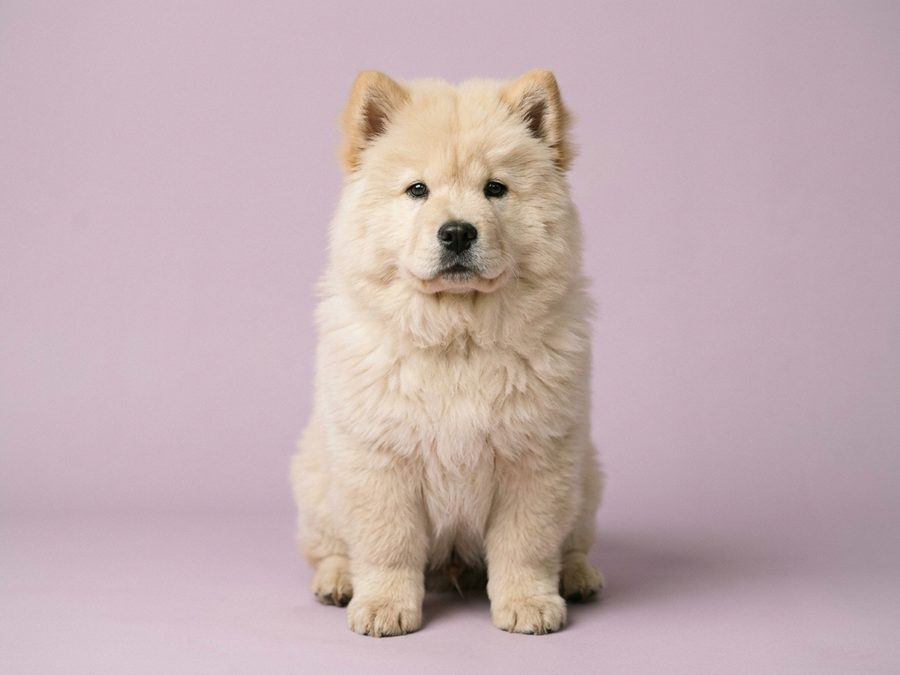
If the coat and the climate are what worry you, read how a Chow Chow compares on coat and heat: an even heavier coat on a far quieter dog, with the same air-conditioning requirement.
Figures last checked 25 August 2026.