
 Available
$4,888–$5,388 · HDB-approved · AVS licence BR25052 · updated September 2026
Pomeranian Puppy for Sale Singapore
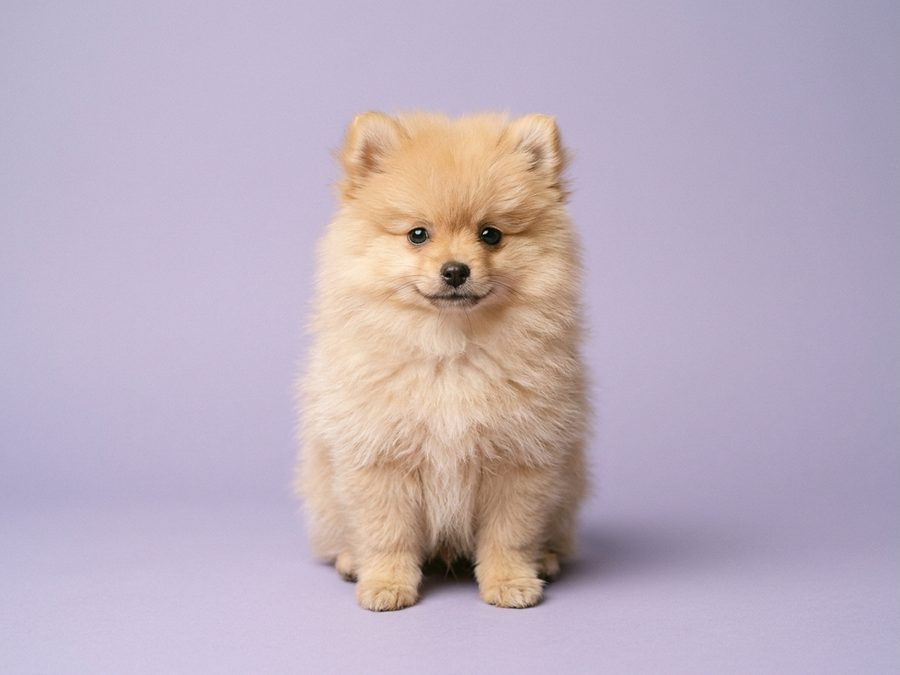
Pomeranian puppy for sale Singapore, the short answer: $4,888–$5,388 from Puppy Singapore, an AVS-licensed seller, vet-checked, vaccinated and microchipped under licence BR25052. The breed is HDB-approved at 1.5–3.5 kg, and its stand-off double coat is brushed rather than clipped, for a reason this page explains.
The rest answers what buyers actually search: what one costs, why the breed is expensive, how big a three-month-old should be, and the honest pros and cons.
Available now
Pomeranian puppies available now
No Pomeranian is listed here this week, and the last litter has gone home. Litters in this breed are small, so gaps are normal rather than a sign that something is wrong.
- Tell us the colour and sex you are after and we will send photos when the next litter arrives.
- Meanwhile, the puppies we have today sits on one page.
With us this week, for an HDB flat
These are not Pomeranians and they are not a substitute for one. They are the breeds we have puppies of today that suit the same kind of home, counted from the same roster the availability page renders.
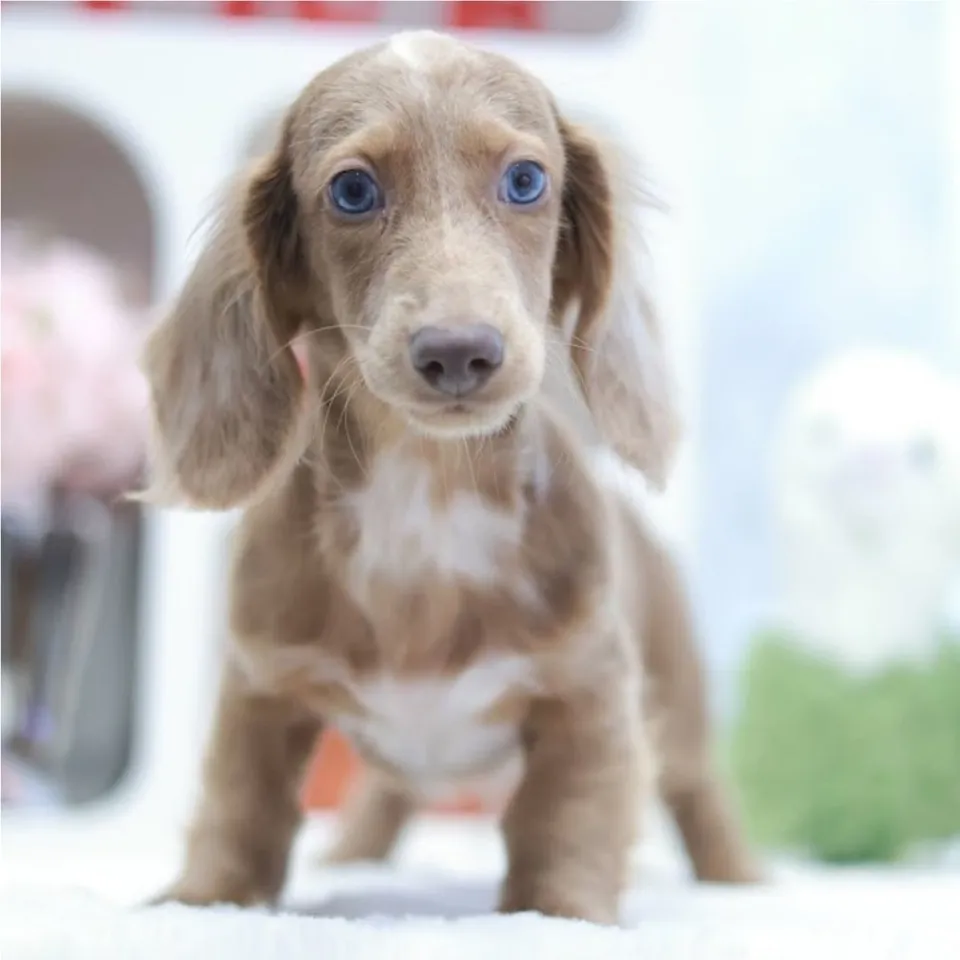
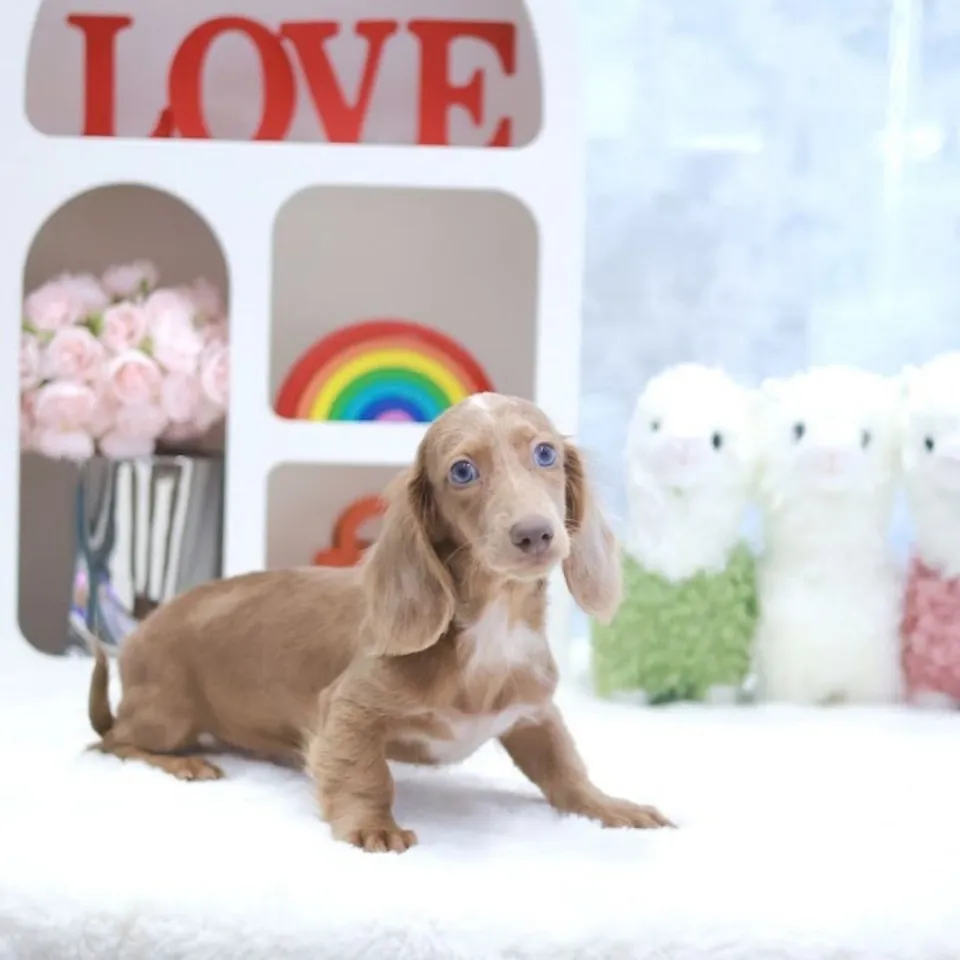
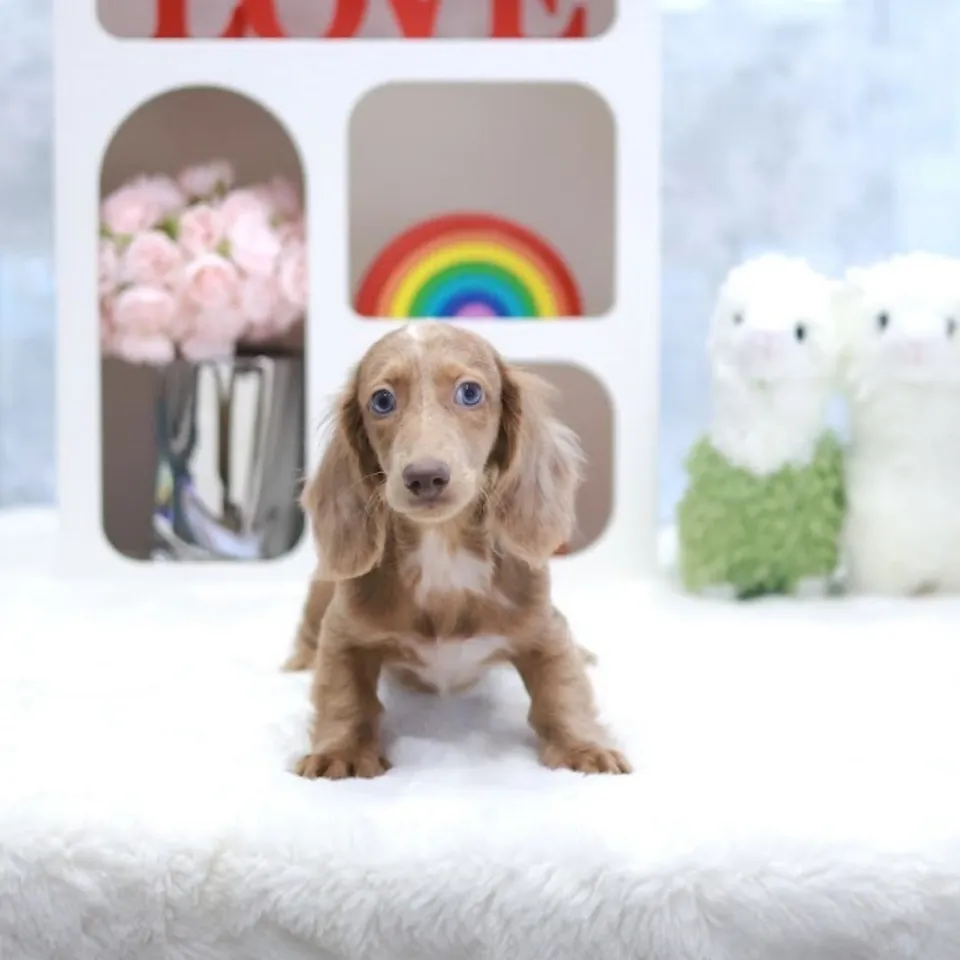
- Meet our Dachshunds5 puppies with usSmall, HDB-approved
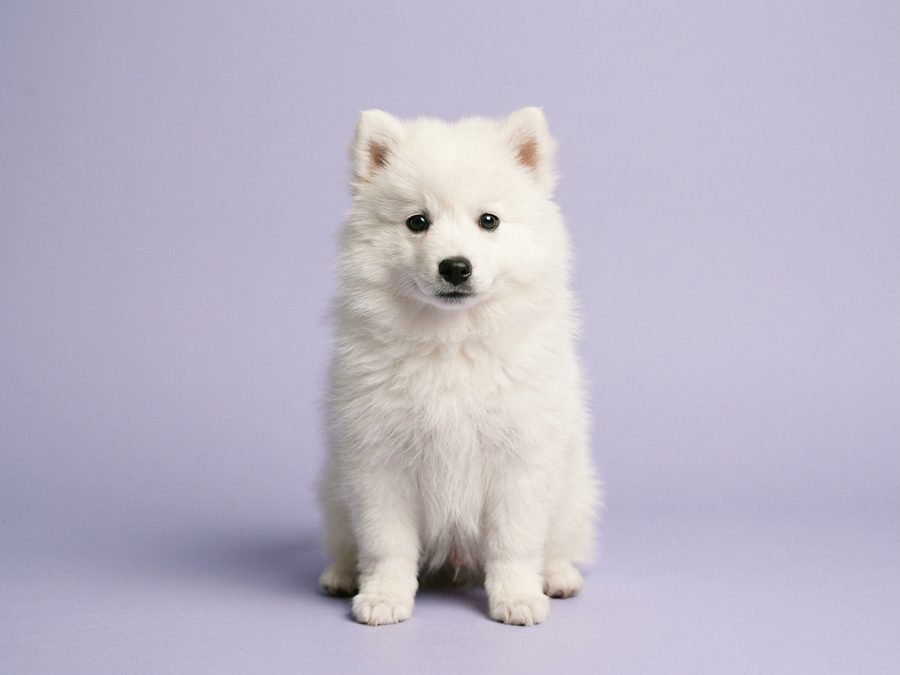
- Japanese Spitz puppies with us2 puppies with usSmall, HDB-approved
- Maltipoo: size, coat and HDB8 puppies with usToy, HDB-approved
The puppies that come closest
Real puppies at the farm today, photographed and priced, from the breeds above. Message us about one and we will send video the same day.
Available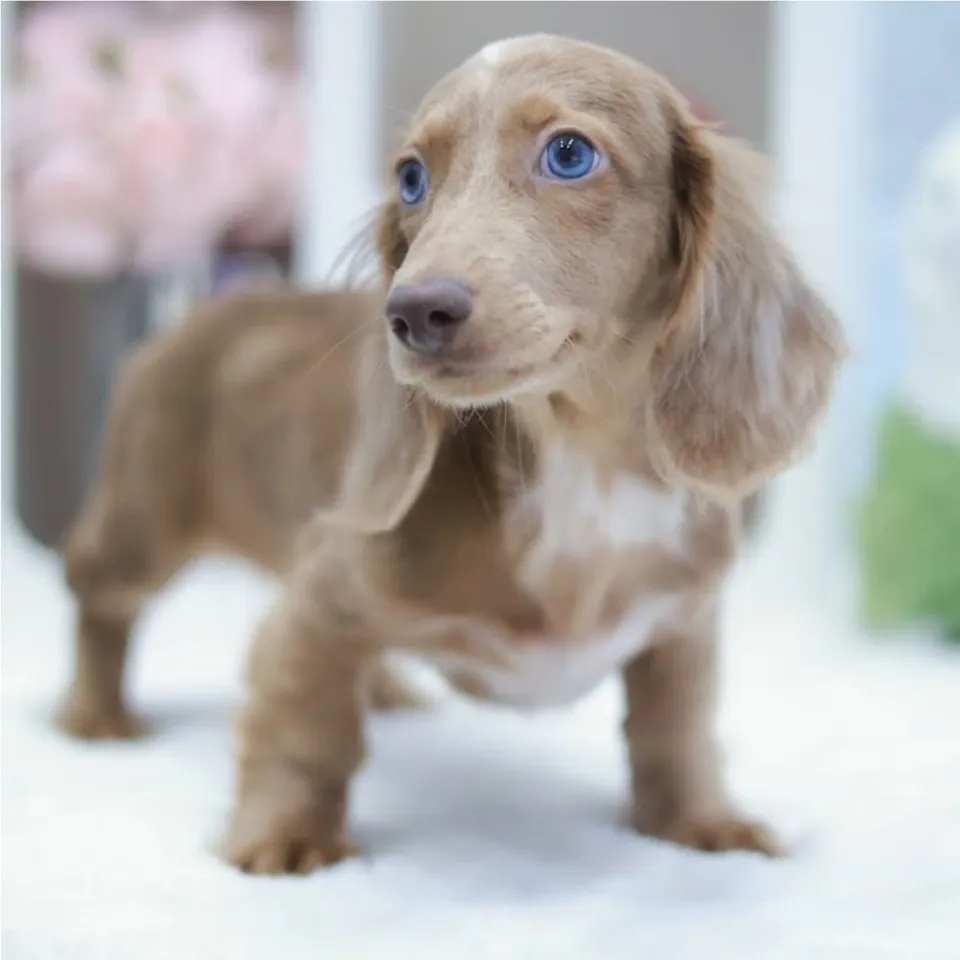
 Available


 Available
Peng Peng
White Japanese Spitz puppy
Female3 monthsHDB approved
$5,200
Ask about Peng PengMeet Peng Peng, ID 2657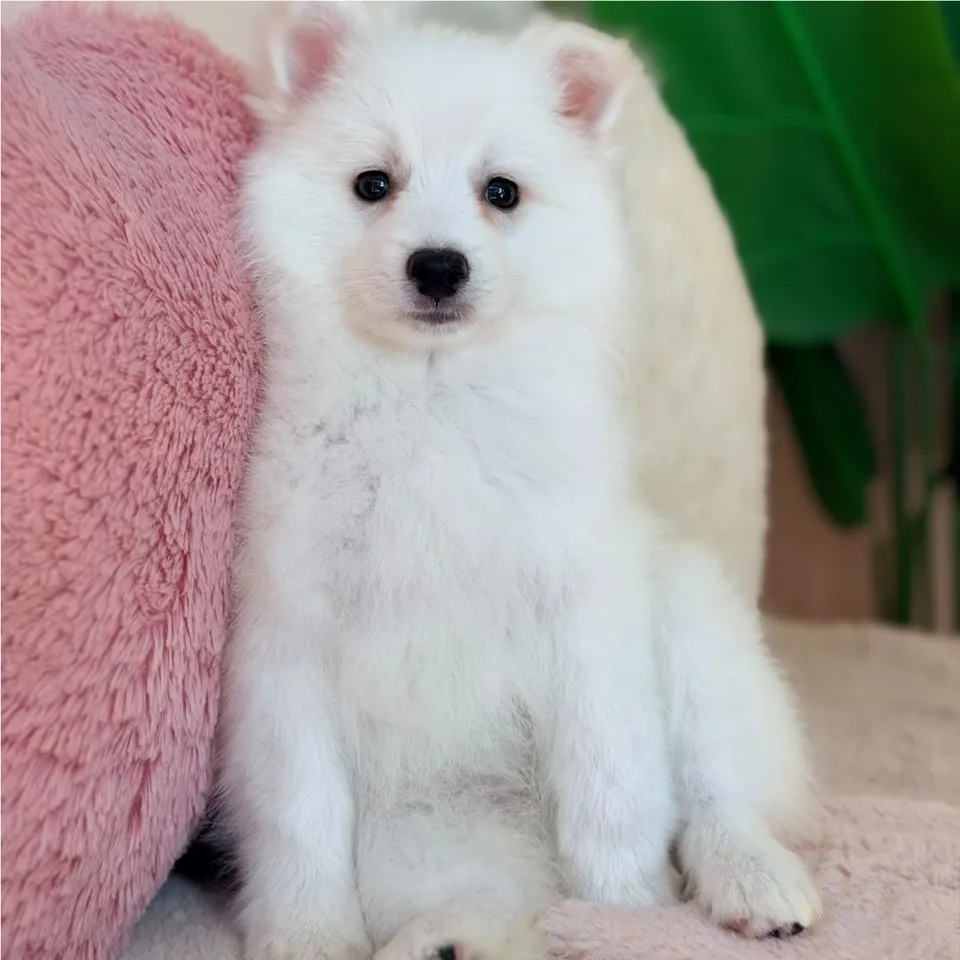 Available
 Available
Siew Mai
Apricot Maltipoo puppy


Female3 monthsHDB approved
$3,688
Ask about Siew MaiPhotos and price for Siew Mai Available
Brown Maltipoo puppy
Female2 monthsHDB approved
$4,500
Ask about Brown Maltipoo puppyMeet Brown Maltipoo puppy, ID 2664What a Pomeranian looks like
Nine illustrations of the breed: the coat colours a Pomeranian comes in, the size it grows to, and the coat between grooming appointments. These are drawings of the breed, not photographs of puppies for sale. Every puppy we really have is photographed and listed on the availability page.

Orange coat Ask about similar
Cream coat Ask about similar
Sable coat Ask about similar
Black coat Ask about similar
White coat Ask about similar
Wolf Sable coat Ask about similar
Grown, about 1.5–3.5 kg Ask about similar
The coat between grooms Ask about similar
Head, ears and muzzle up close Ask about similar
The three facts that decide this breed for a Singapore buyer
Price: $4,888–$5,388
Published per breed before you enquire. Colour carries no surcharge here, and neither does the word teacup, which we do not use.
Housing: HDB-approved
On whether HDB approves a Pomeranian, one dog per flat. At 1.5–3.5 kg it fits anywhere in Singapore.
Coat: brushed, never shaved
A stand-off double coat that can fail to regrow after a close clip. The teddy bear cut people ask for is the usual route to that.
How much does a Pomeranian cost in Singapore?
A Pomeranian puppy costs $4,888–$5,388 from an AVS-licensed seller in Singapore. That price includes vaccinations to date, deworming, a vet health check, a microchip, health certification and ancestry records. Age, sex and litter move a puppy inside the band, and coat colour does not.
What a Pomeranian puppy price includes
Six things travel with every puppy, and each is a document or a procedure rather than a promise.
- Vaccinations to date, in the booklet that goes home with the puppy.
- Deworming, at every vet visit through the schedule.
- A vet health check before the puppy is cleared to travel.
- A microchip, implanted and registered.
- Health certification and ancestry records, signed and dated.
- Kennel club registration where the litter qualifies.
Pricing, published
$4,888–$5,388
Published price for this breed (SGD).
- Vet health check & vaccinations to date
- Deworming (done with every vaccination visit)
- Health certification & ancestry records
- Microchipped before homecoming
- Door-to-door delivery available
What a Pomeranian costs to keep, every month
| Line | Typical cost | What moves it |
|---|---|---|
| Food | $30 to $50 a month | A 1.5–3.5 kg dog eats very little |
| Grooming | $50 to $100 a session, every 4 to 6 weeks | Coat condition and how much you brush between visits |
| AVS dog licence | $15 a year sterilised, $90 if not | Duration and sterilisation status, less a 10% online rebate |
| Routine vet, dental and the annual booster | Budget yearly from year one | Dental care matters more in a small mouth |
Our price hub publishes what a Pomeranian costs here to buy and to keep, breed by breed.
Why are Pomeranian dogs so expensive?
It is a fair question about a dog that weighs less than a bag of rice, and it has three real answers rather than a shrug.
- 1
Litters are small. One to three puppies is normal for this breed. The cost of raising a litter through the vaccination schedule is spread across far fewer puppies than in a large breed.
- 2
Deliveries are expensive. Toy breeds frequently need a caesarean, and that is a vet cost attached to the litter before a single puppy is sold.
- 3
Demand is constant. A small, HDB-approved, long-lived dog is exactly what a lot of Singapore households want, and that does not fluctuate much.
What does not justify a premium here: coat colour, and the word teacup.
Sable, wolf sable and cream sit in the same published band as orange. A seller charging more for a colour is charging for fashion, and a seller charging more for a smaller dog is charging you extra for a health risk.
How big is a 3 month old Pomeranian?
About half its adult weight. For our range of 1.5–3.5 kg, that puts a healthy three-month-old at roughly 0.8 to 1.8 kg, and that is a rule of thumb rather than a promise.
Roughly where a Pomeranian is by age
Two things worth knowing when you are comparing a puppy against that. A three-month-old at the heavier end is usually just a dog that will finish nearer 3.5 kg, which is inside the breed standard and nothing to worry about.
A puppy that is unusually small for its age is the one to ask about, because it is either a runt that needs monitoring or a dog being marketed as a teacup. Ask for its weight at each vet visit rather than a photograph next to a coffee cup.
What are the pros and cons of Pomeranians?
Written by a seller, which is unusual, so read the right-hand column with that in mind: it is the one that costs us sales when it is honest. Anyone comparing a Pomeranian puppy for sale Singapore listing against another breed should start there rather than with the price.
| Pros | Cons | |
|---|---|---|
| Housing | HDB-approved, fits any flat | One dog per flat still applies |
| Size | Portable, and cheap to feed | Fragile around toddlers and easy to injure |
| Coat | Striking, and sheds less than its volume suggests | Real brushing, every 4 to 6 weeks at a groomer, never shaved |
| Temperament | Bold, funny, more dog than its size suggests | Barks, and a watchdog instinct in a shared corridor |
| Lifespan | 12 to 16 years | A long commitment for a first dog |
| Health | Generally robust for a toy breed | Knees, windpipe and teeth need watching |
Never shave a Pomeranian
This is the single most useful thing on this page. A Pomeranian's double coat can fail to grow back properly after a close clip, a condition usually called post-clipping alopecia, and it leaves patchy or woolly regrowth that may never fully recover.
The route to it is almost always a haircut people ask for by name: the teddy bear cut, or the boo cut. Both take the coat down far shorter than a Spitz coat tolerates.
- Ask a groomer for: a tidy of the feet, the ears and the sanitary areas, and a de-shed.
- Do not ask for: a shave-down, a summer cut, or anything described as a teddy bear trim.
- If the coat is matted: that is a brushing problem to fix now, not a reason to clip.
Grooming a double coat in the tropics
Brush two or three times a week, and pay particular attention behind the ears, under the front legs and around the trousers, which mat first and are the areas a groomer will reach for the clippers over.
What a Pomeranian’s grooming month looks like
Barking, and the neighbour question
A Pomeranian is a watchdog in a 3 kg body, and it takes the job seriously. Lifts, corridors and doorbells all get announced, which in an HDB block is a neighbour question rather than a dog question.
Training moves this a long way. Teaching a quiet cue, rewarding the dog for checking with you rather than escalating, and managing what it can see from the window are the three things that work. What does not work is expecting silence from a breed selected for alarm.
Teacup Pomeranians: what you are actually being sold
There is no teacup size. The breed standard describes one Pomeranian, and dogs advertised as teacup, micro or pocket are either the small end of a normal litter or the product of breeding deliberately for undersize.
In a breed that already carries knee and windpipe risks, breeding smaller stacks the odds against the dog. We do not sell or advertise them, and a seller charging a premium for one is charging you extra for a fragility.
Living with a Pomeranian in Singapore's heat
A small dog walks with its belly close to pavement that holds heat long after sunset. Walk before 9am and after 6pm, check the ground with the back of your hand, and keep walks short and frequent rather than long.
Indoors, a cool floor and shade do the work. The coat stays on: it insulates against heat as much as cold, and in this breed removing it may cost you the coat permanently.
Colours and coat
Our litters come in Orange, Cream, Sable, Black, White and Wolf Sable. None of it changes temperament, health or our price.
OrangeCreamSableBlackWhiteWolf Sable
Expect the puppy uglies somewhere between four and eight months, when the puppy coat drops and the adult coat has not arrived. It looks alarming, it lasts a few months, and it is completely normal.
Health: what to ask about before you pay
Pomeranians are long-lived at 12–16 years. Three things are worth asking about, and one changes what you buy on day one.
Knees
Patellar luxation is the toy-breed joint risk. Ask what the parents were checked for, and keep the dog lean and off high furniture while it grows.
Windpipe
Tracheal collapse is a known toy-breed problem, and it is why this breed walks in a harness. Buy the harness before the collar, not after a honking cough appears.
Teeth
Forty-two teeth in a very small mouth means crowding, and periodontal disease by middle age unless you brush from week one.
What a good seller answers without hesitating
- What is your AVS licence number, and may I look it up?
- May I meet the puppy in person, and where is it now?
- What were the parents screened for, particularly the knees?
- May I see the vaccination booklet and the ancestry records?
- What has this puppy weighed at each vet visit?
What comes with every Pomeranian puppy
Vaccinations to date
Core doses at weeks 6 and 8 before homecoming, recorded in the booklet.
Deworming
Done at every vet visit through the schedule.
Vet health check
A licensed vet clears the puppy before it travels.
Microchip
Implanted and registered, and tied to your AVS dog licence.
Health certification
Written, signed and dated.
Ancestry records
Plus kennel club registration where the litter qualifies.
When your puppy comes home
The timeline is set by the vaccination schedule, not by us. Core vaccinations run at weeks 6, 8 and 12, with an optional dose at week 16, and deworming happens at every visit.
- Weeks 6 and 8: the first two core doses, at the farm.
- Around week 9: homecoming, a week after the second dose.
- Week 12, and optionally week 16: with you and your own vet.
- Year one onward: an annual booster.
Our guide to the weeks a Pomeranian puppy is vaccinated walks the whole first year.
The first month with a Pomeranian
- Handling from day one: touch the paws, ears and coat daily, so grooming is never a fight.
- Toilet training: a small bladder means a tight schedule rather than more correction.
- The crate and the barking: reward quiet early, before the habit sets in a shared corridor.
- A harness, not a collar, from the first walk.
How to buy a Pomeranian ethically in Singapore
- 1
Check the licence. Search the AVS public registry for the seller's number. Ours is BR25052, held by William Goh Pet Farm LLP.
- 2
See the puppy in person. Viewing is by appointment. Watch it move on its legs, which tells you more in a toy breed than how it greets you.
- 3
Read the paperwork before you pay. Vaccination booklet, health certification, ancestry records, and the weight history.
- 4
Reserve after meeting, not before. A deposit paid before you can see a puppy is a payment on a photograph.
Adoption, honestly
Pomeranians do come through local rescue, usually as adults and often with the coat and barking already established. If you are flexible on age, an adult Pom whose character is visible is a lower-risk purchase than any puppy.
Who a Pomeranian is not right for
- 1 Households with toddlers. A 2 kg dog is genuinely fragile, and a frightened small dog defends itself.
- 2 Anyone who cannot budget grooming. Every 4 to 6 weeks, for twelve to sixteen years.
- 3 Anyone needing a quiet dog. Trainable down, but never silent.
- 4 Anyone wanting a wash-and-go coat. This is the opposite of that, and shaving is not the escape hatch.
Pomeranian compared with the breeds buyers weigh against it
All three of these are HDB-approved, so the choice comes down to coat, size and how much noise you can live with.
| Breed | HDB flat | Shedding | Grooming | Typical range |
|---|---|---|---|---|
| Pomeranian | Yes, approved | Medium | High, never shaved | $4,888–$5,388 |
| Japanese Spitz | Yes, approved | High | Medium, never shaved | $4,888–$5,088 |
| Maltese | Yes, approved | Low | High, cut regularly | $4,288–$5,988 |
| Toy Poodle | Yes, approved | Very low | High, cut every 4 to 8 weeks | $3,488–$5,988 |
If the Pomeranian look appeals but the size worries you, read how a Japanese Spitz compares: the same white Spitz outline in a sturdier dog that is far less fragile around children.
Where the figures on this page come from
- AVS licence BR25052 and how to verify it: the NParks public registry of AVS-licensed pet breeders, checked 25 August 2026.
- HDB-approved breeds and one dog per flat: HDB's own pet rules, confirmed in a browser on 25 August 2026 (the host blocks automated requests).
- Puppy price range, adult weight and lifespan: this site's own breed data, reviewed 25 August 2026.
- The three-month weight estimate: the standard toy-breed rule of thumb that a puppy is roughly half its adult weight at three months, applied to the adult range above. It is an estimate and the page says so.
- Dog licence fees: the AVS licence fee page, read 2026-08-26. The published table these figures come from was headed "before 1 September 2026" and that date has now passed. AVS has scheduled a new fee table from 1 September 2026. Re-checked on the AVS fee page on 26 August 2026: the replacement had still not been published, and the live page still showed only the "before 1 September 2026" table, last updated 31 October 2025. Treat the figures as the last published schedule and check the AVS page before relying on them.
- Coat and buyer-check guidance: Retriever Care and The Poodle Mom, both quoted above with links to the source videos and used for the mechanism rather than as authorities.
Figures last checked 25 August 2026.
Pomeranian puppy for sale Singapore: questions answered
How much does a Pomeranian cost in Singapore?
A Pomeranian puppy from an AVS-licensed seller in Singapore costs $4,888–$5,388. The price includes vaccinations to date, deworming at every visit, a vet health check, a microchip, health certification and ancestry records. Colour does not change it, including the rarer sables.
How big is a 3 month old Pomeranian?
Roughly half its adult weight, which for our range of 1.5–3.5 kg puts a 3-month puppy at about 0.8 to 1.8 kg. That is a rule of thumb rather than a promise: individual puppies vary, and a slightly heavier 3-month-old is usually just a puppy that will finish at the larger end of the standard.
Why are Pomeranian dogs so expensive?
Three real reasons. Litters are small, often one to three puppies. Toy-breed deliveries frequently need a caesarean, which is a vet cost on every litter. And demand for a small, flat-friendly dog in Singapore is constant. What does not justify a premium is coat colour or the word teacup.
What are the pros and cons of Pomeranians?
Pros: HDB-approved, tiny enough for any flat, long-lived, genuinely funny, and more robust in temperament than their size suggests. Cons: they bark, the double coat needs real brushing, they are fragile around toddlers, and they must never be shaved, which limits your options in the heat.
What is the Pomeranian price in Singapore?
Ours are $4,888–$5,388, published before you enquire. A Pomeranian advertised far below that usually means an unlicensed seller, an undersized dog sold as a teacup, or no ancestry records.
What is a teacup Pomeranian?
A marketing label, not a size. No kennel club recognises teacup or micro as a Pomeranian size, and dogs sold under those names are usually runts or bred deliberately small, which stacks the fragility and the health risks a toy breed already carries. We do not sell or advertise them.
What makes a good Pomeranian breeder in Singapore?
A licence number given without hesitation, a puppy you can meet in person, a vaccination booklet, ancestry records, and a straight answer about the parents' knees. Ours is AVS licence BR25052, held by William Goh Pet Farm LLP.
What comes with a Pomeranian puppy?
Vaccinations to date with the booklet, deworming at every vet visit, a vet health check, a microchip, health certification and ancestry records, plus kennel club registration where the litter qualifies.
How do I choose a Pomeranian puppy?
Check the licence, then watch the litter rather than the photos. Look for a puppy that moves confidently on its legs and recovers quickly from a noise. Ask what the parents were screened for, and ask to see the coat on both parents, because puppy coat tells you very little.
What goes wrong with a Pomeranian?
The knees, the windpipe and the coat. Patellar luxation is the toy-breed joint risk, tracheal collapse is why this breed walks in a harness and never a collar, and a shaved coat may never grow back properly. All three are manageable if you know about them first.
What should I check before buying a Pomeranian in Singapore?
Whether you can live with barking, and whether you have budgeted for grooming every four to six weeks for the next twelve to sixteen years. Then the seller: licence number in the registry, the puppy in person, the vaccination booklet and the ancestry records.
What are the alternatives to a Pomeranian?
The Japanese Spitz for the same look in a larger, calmer dog, the Maltese for a similar size with a different coat, and the Toy Poodle for a low-shedding alternative. All three are HDB-approved and all publish their range on this site.