
 Available
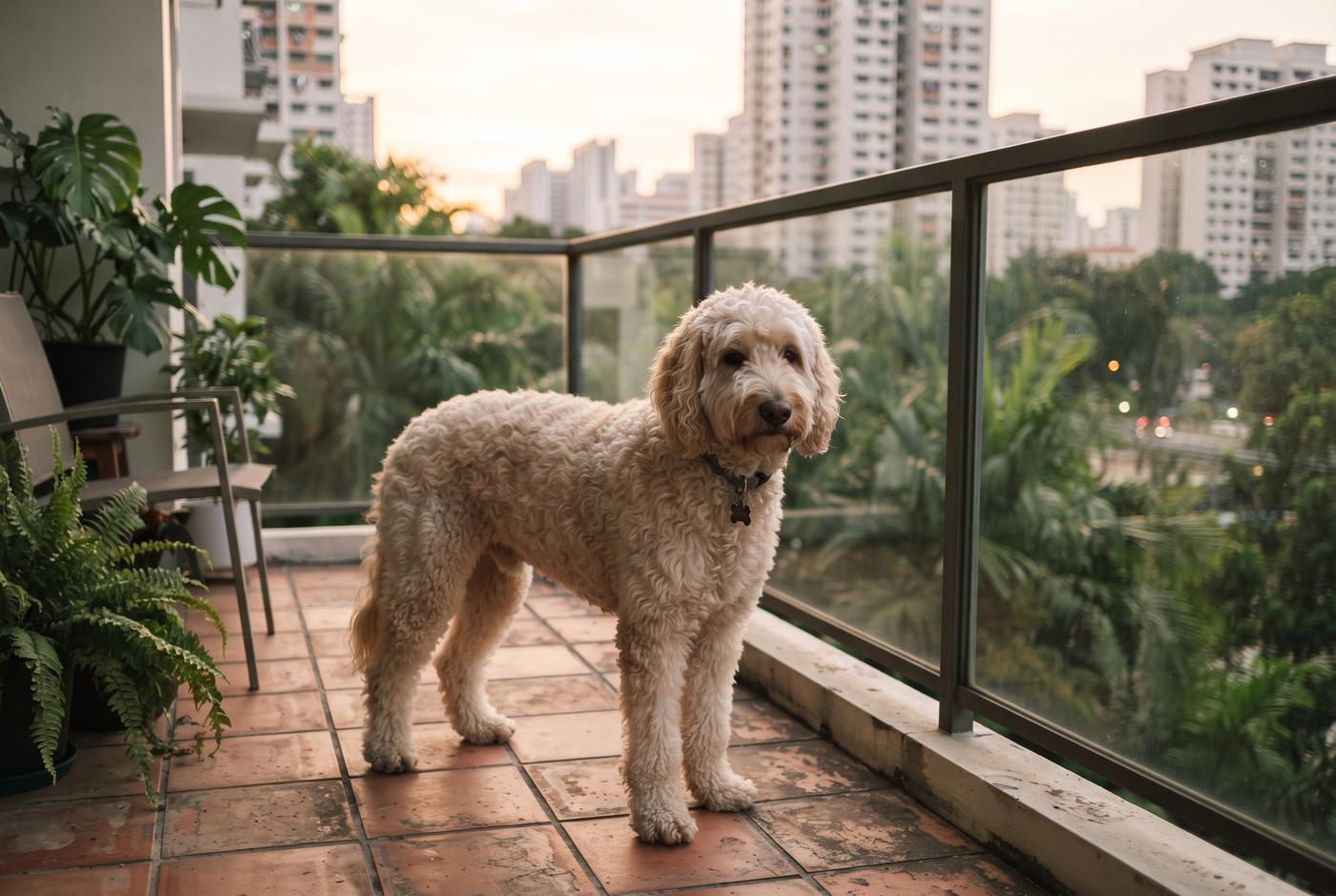
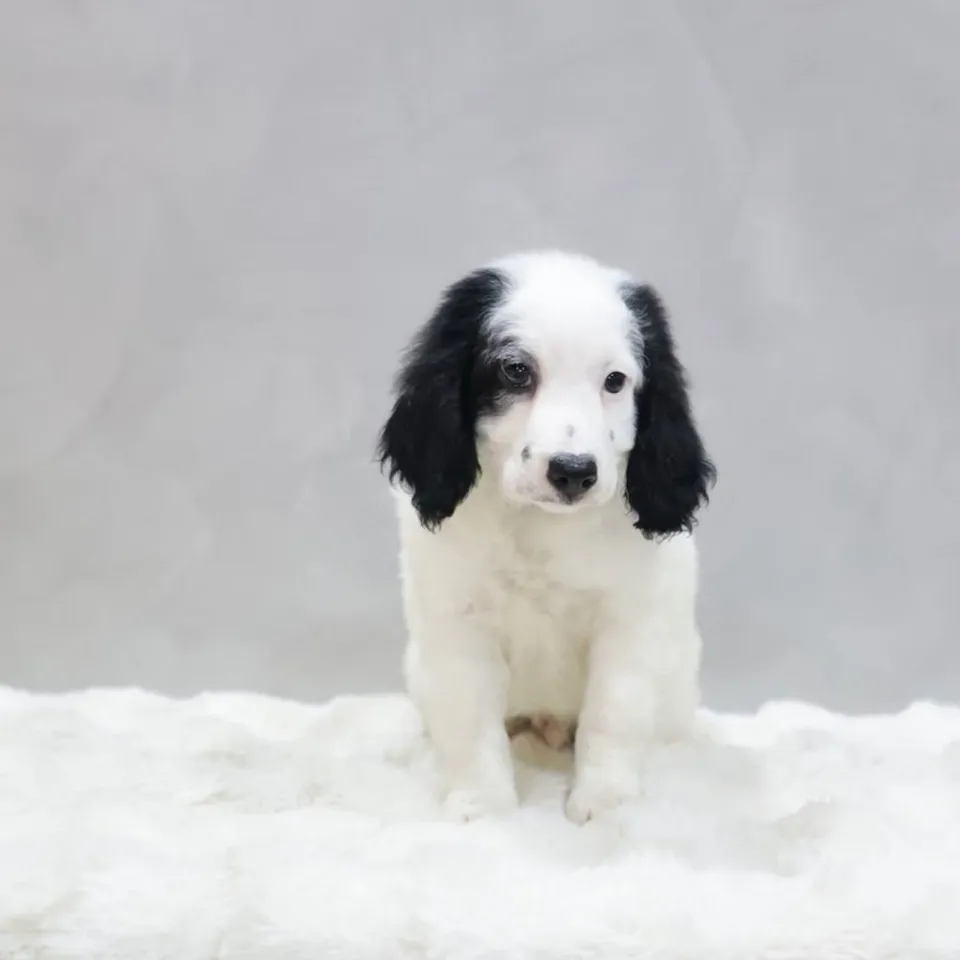
Golden Goldendoodle puppy
Female4 monthsNot HDB
$3,688
Ask about Golden Goldendoodle puppyPhotos and price for Golden Goldendoodle puppyGoldendoodle Singapore, the short answer: $3,800–$5,988 from an AVS-licensed farm, and it is not HDB-approved. Not arguable either, because the Golden Retriever parent is not on HDB’s list of 62 breeds at all. This is a condominium or landed dog that lives 10–15 years.
We have 9 of them here as I write, so that answer costs us. It is still the answer.
Searches for a Singapore price on this breed usually end at an enquiry form. Every one of these Singapore puppies carries its price on the card instead. Read the housing answer above before the photographs, because it decides this breed for most households here and no puppy changes it.
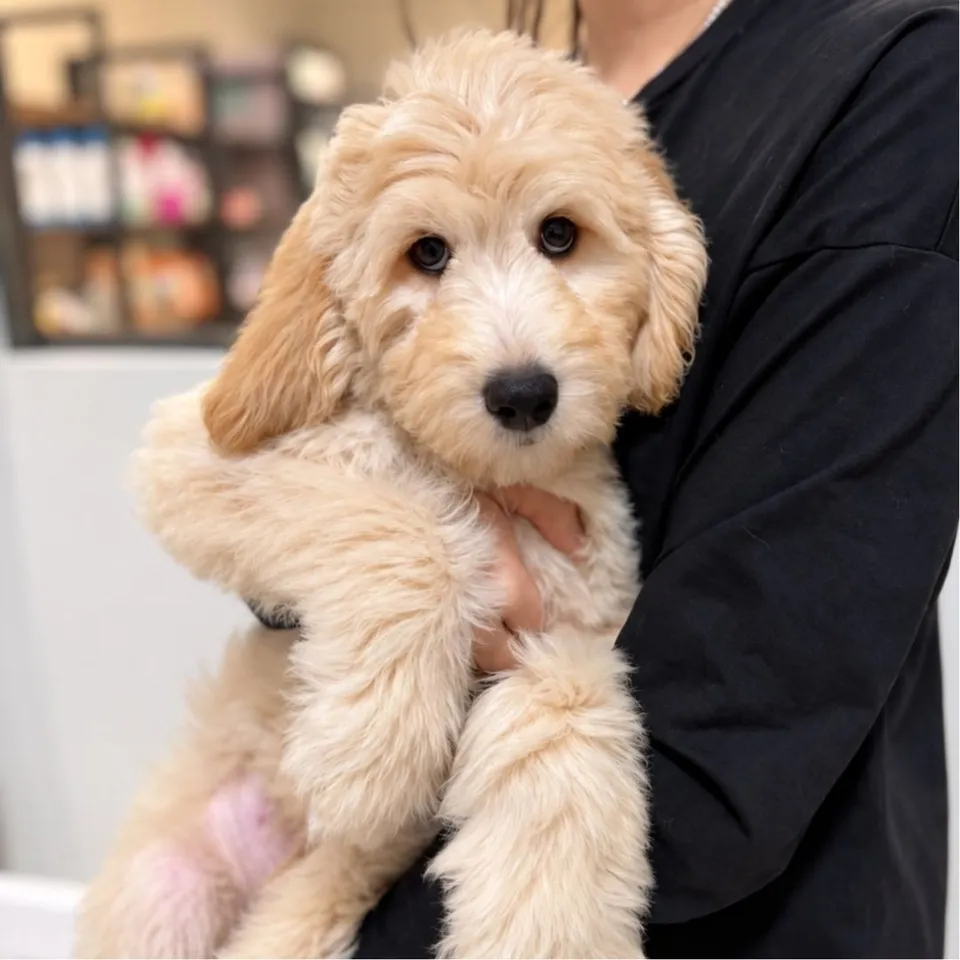
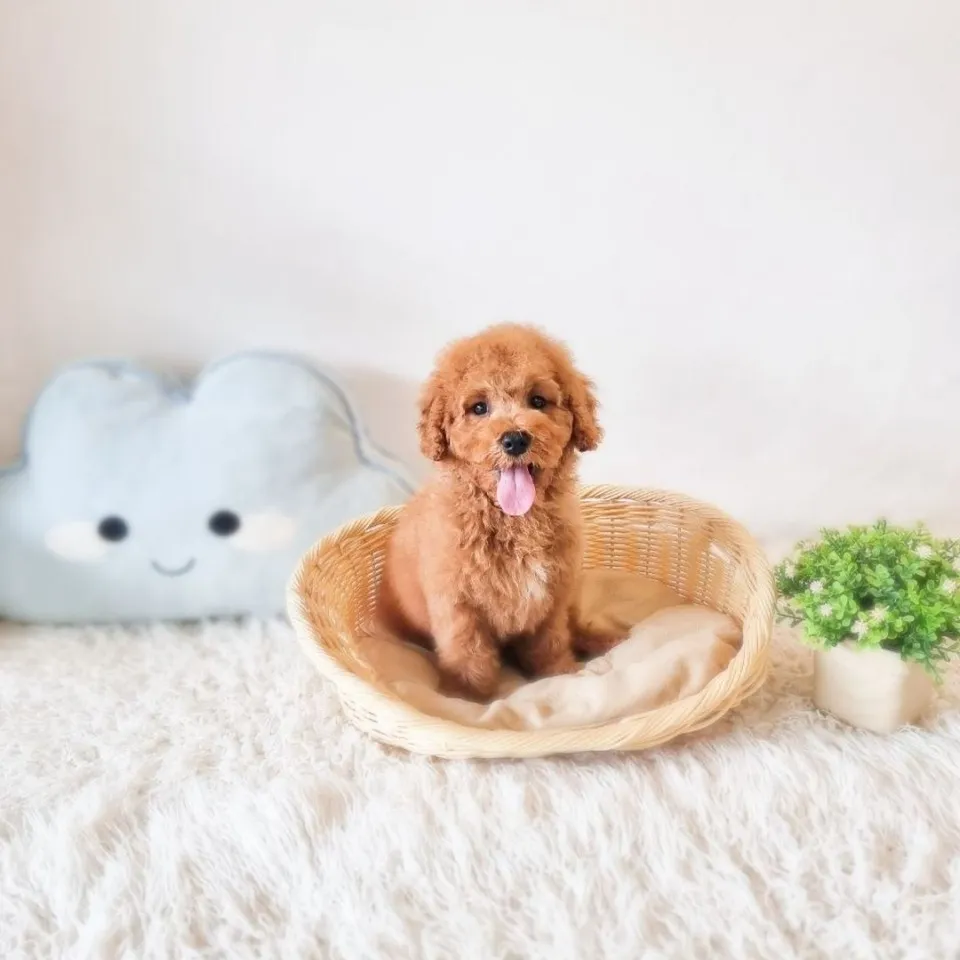
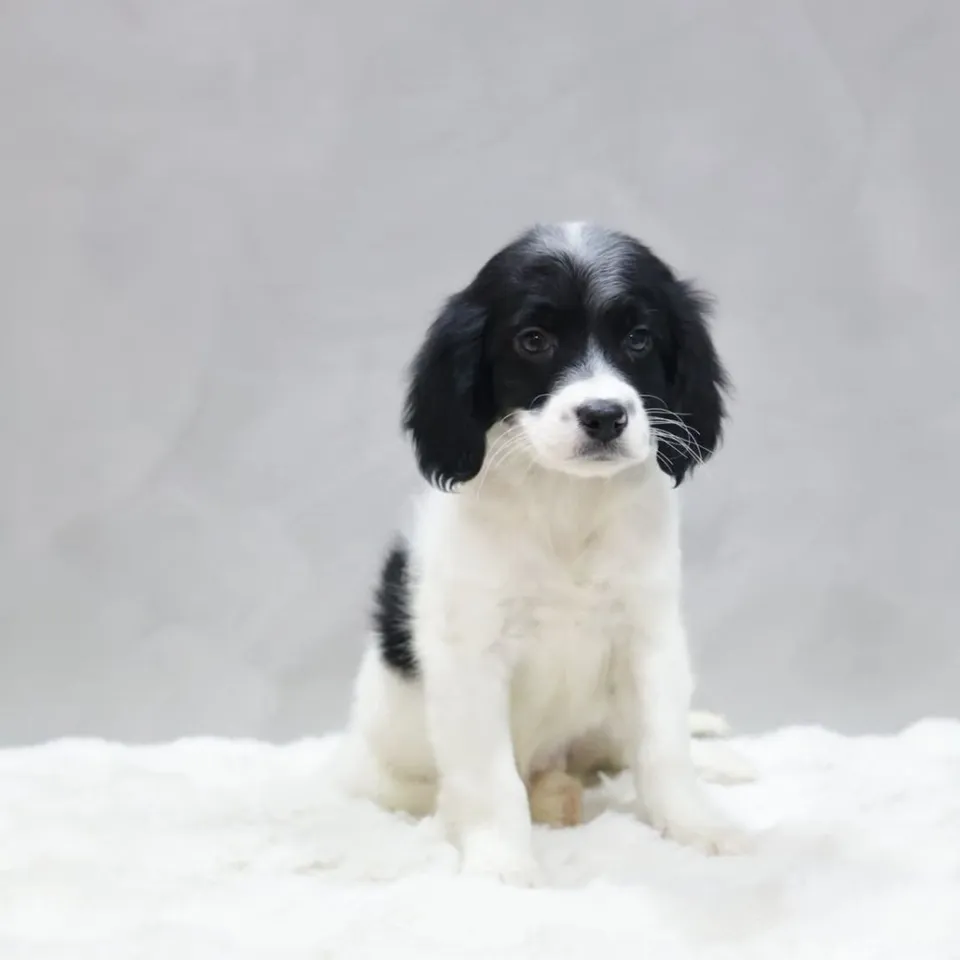
The Goldendoodle Singapore puppies listed below are the Goldendoodles now at the farm,9 of them, each with its own photo, age, colour and price. The price on the card is the price for that puppy.
Available Available
 Available
 Available
 Available
 Available
 Available
 Available
 Available
Ask about the parents when you visit, and ask what the Poodle side was. That is what tells you about adult size, and it is the question this page exists to hand you. the Goldendoodle puppies with us this week sits on one page.
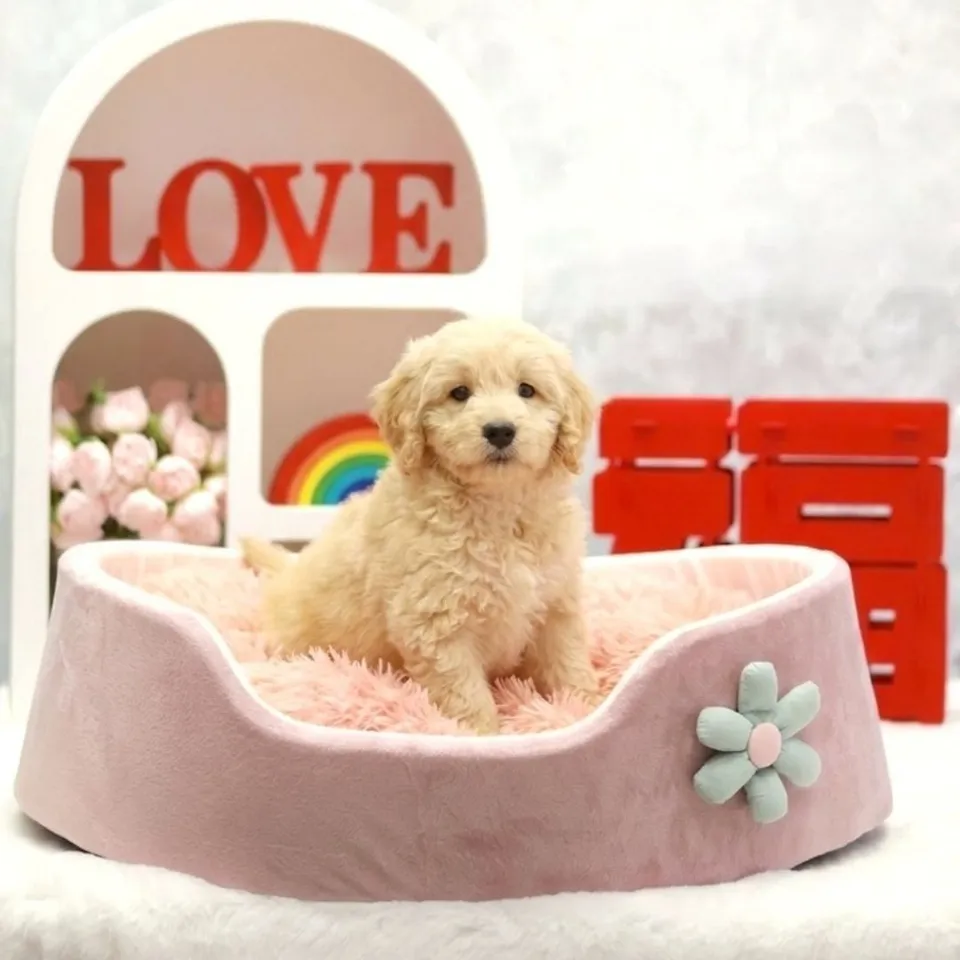

Nine illustrations of the breed: the coat colours a Goldendoodle comes in, the size it grows to, and the coat between grooming appointments. These are drawings of the breed, not photographs of puppies for sale. The 9 puppies we actually have are further up this page, each with its own photograph.
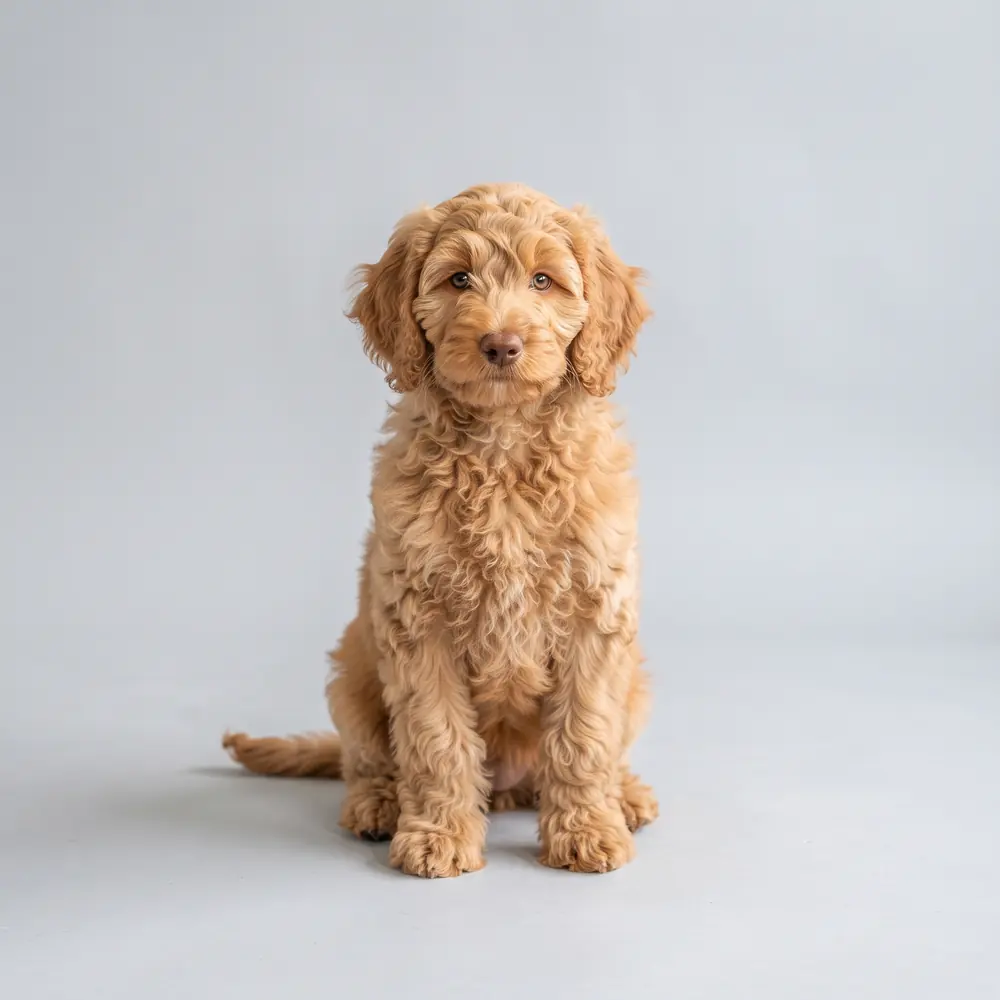

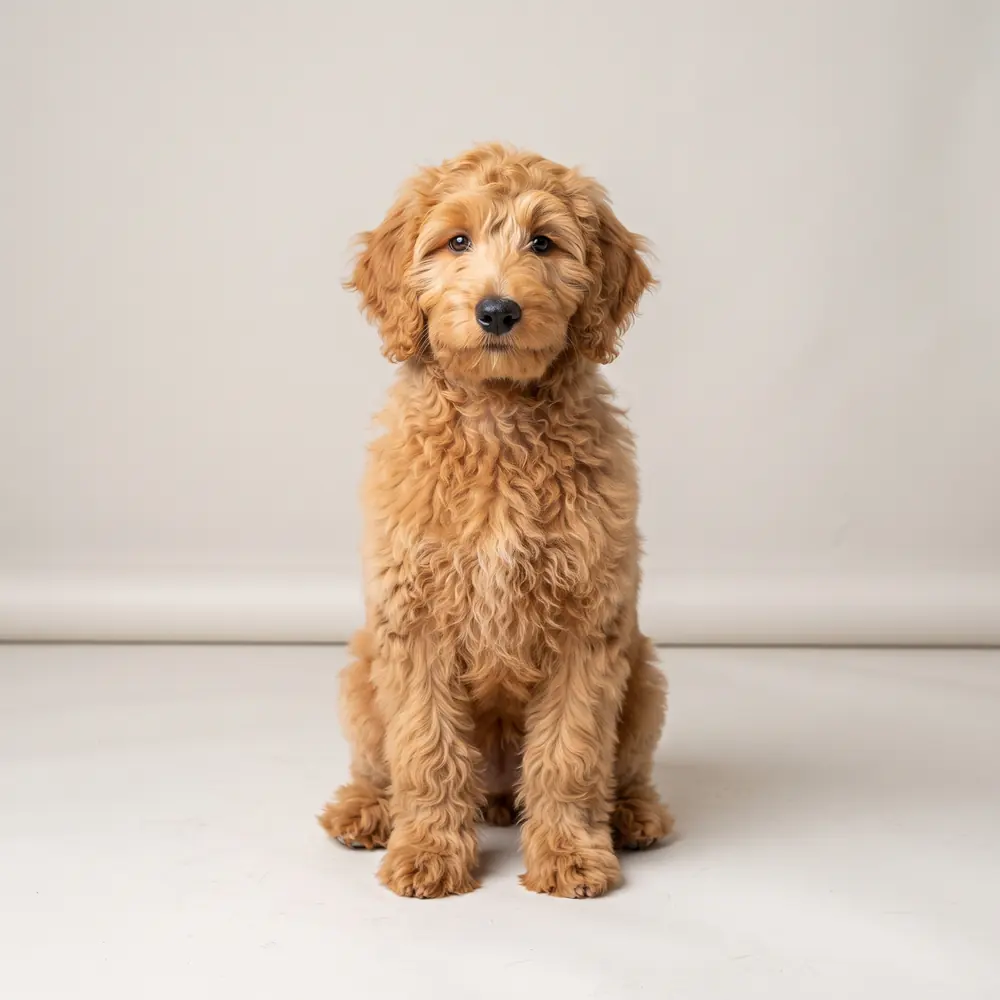


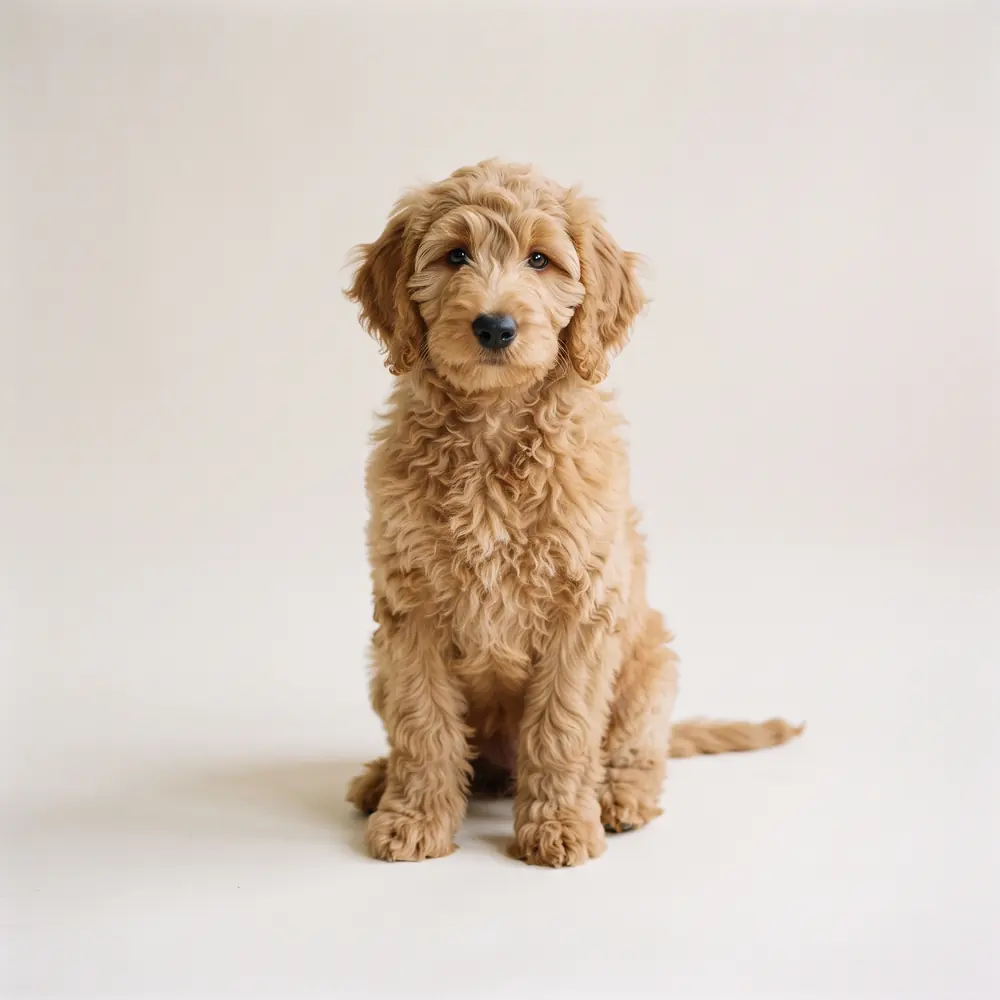
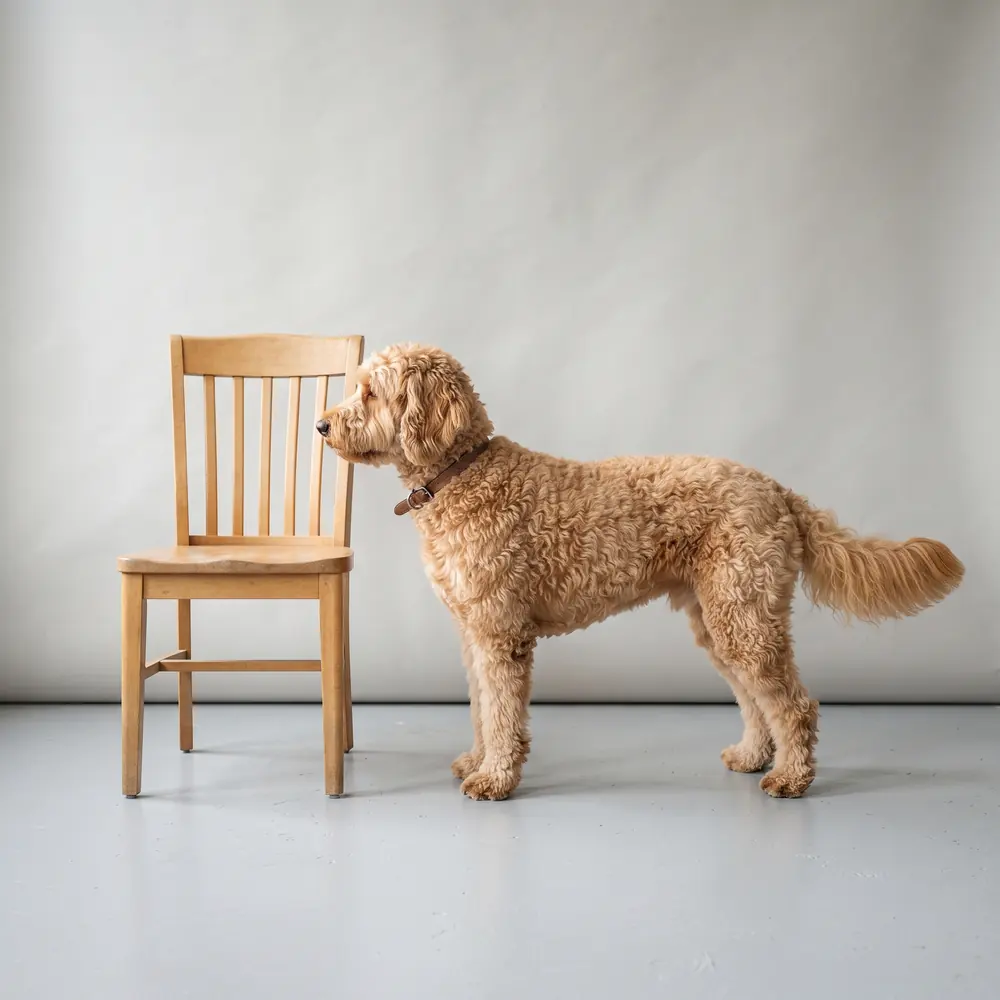
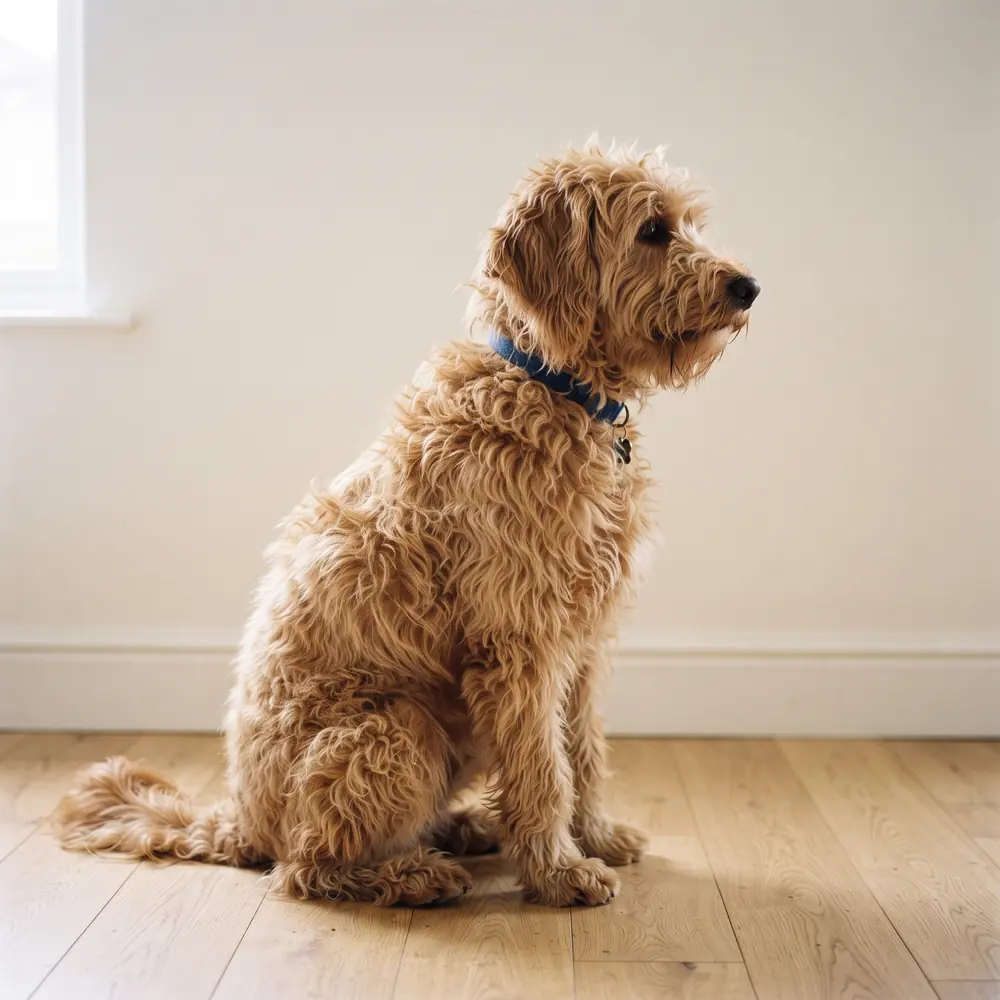
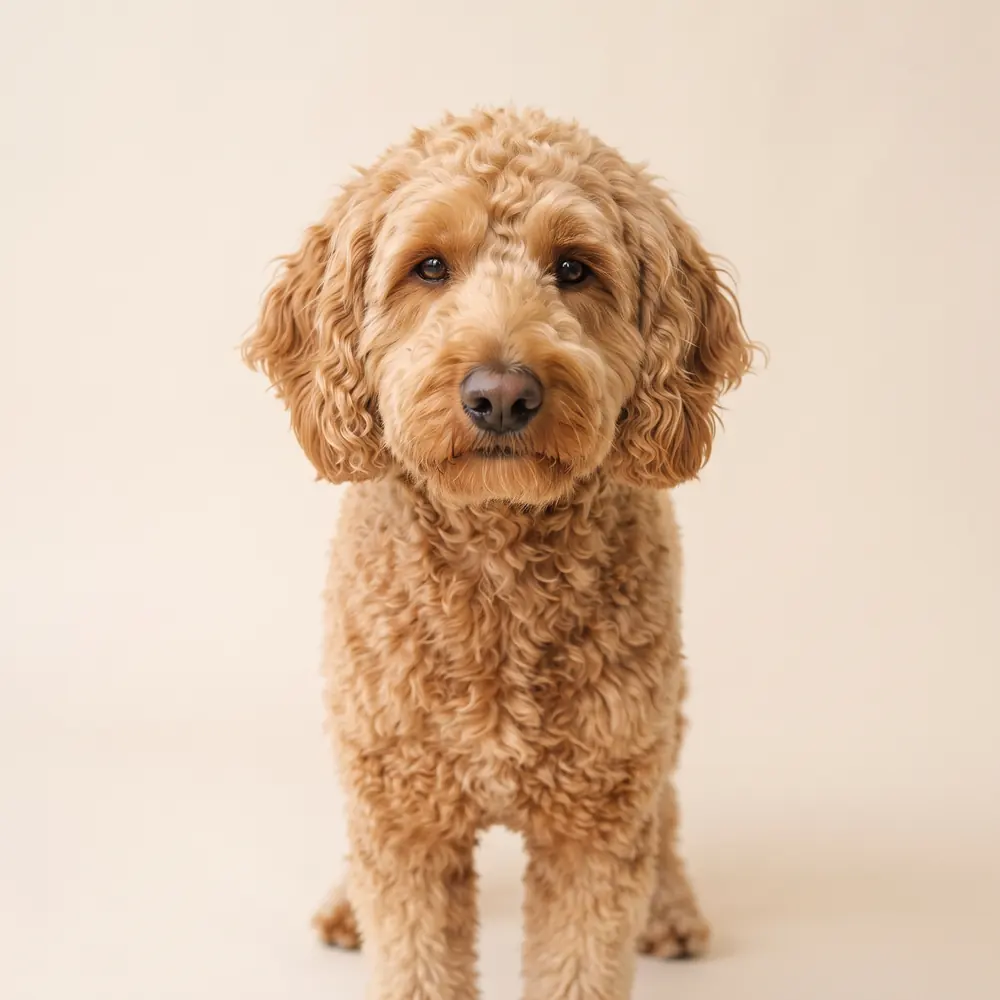
No. HDB approves 62 named breeds and the Goldendoodle is not among them, nor is its Golden Retriever parent. That rules out a flat regardless of how small an individual dog is, because approval attaches to the breed. It is a condominium or landed-property dog here.
People ask this expecting the answer they get about Maltipoos, which is a shrug. It is not the same situation and the difference is worth understanding, because it decides whether you can keep the dog at all.
A list of 62 named breeds, mostly small ones, plus a one-dog rule per flat. It is a list of names rather than a size limit, which is the detail that catches people out. where the Goldendoodle sits on HDB’s list sets out every name on it.
Because both of their parents are breeds that appear on the list. That is the whole of the argument, and it is the only thing the list actually says about any cross.
We are not going to tell you what people keep in their flats in practice. It may well be true and it is not ours to say, because if it goes wrong the consequence lands on your tenancy rather than on our sales figures.
We are selling 9 of these and telling flat-dwellers not to buy one. If that reads oddly on a seller’s page, it is because most seller pages do not do it.
Two honest routes. Pick a breed that is actually on the list, which is most of what we sell. Or, if you are open on breed and age, adopt: local mixed-breed dogs can be kept in a flat under Project ADORE, and our breed directory marks which of our breeds are HDB-approved on every card.
Whatever you decide, confirm your specific dog with HDB’s own pet rules rather than with a seller. The consequences of getting it wrong land on your tenancy, not on ours.
Our own breed data gives 15–30 kg for an adult, and that is a range rather than a number on purpose. A Goldendoodle is a cross, not a breed, so its size follows the Poodle that was used. The mini searches are really asking this question, and the answer is the same one.
| What you are told | What actually decides it |
|---|---|
| "Mini" on the listing | Which Poodle was used, and nothing else |
| The puppy looks small now | Both parents’ adult weights |
| The seller’s estimate | The generation of the cross |
| A number in an advert | Nobody can promise one |
A Goldendoodle bred using a Toy or Miniature Poodle rather than a Standard one. It describes an intention rather than a promise, and mini is a marketing word rather than a size class anybody polices, which is why a mini Goldendoodle Singapore price can sit anywhere across the range while describing very different adult dogs.
Two consequences follow. Mini Goldendoodles can finish considerably larger than the label suggests. And even if one does not, it is still not HDB-approved, because HDB approves names rather than sizes.
If you are set on a small dog, do not try to size your way into a flat by picking a Goldendoodle at the smaller end. Get a Goldendoodle because you have the housing for one, and pick a breed from the approved list if you do not.
Every one of these shares this breed’s housing answer, and for the same reason: a large parent somewhere in the line.
Searching for Goldendoodle puppies lands people in front of a lot of photographs and very little information. These are the questions that turn a photograph into a decision, and they work on us as readily as on anybody else.
Our post on checking a reputable dog breeder in Singapore walks the whole method, and it was written to be used on this page as much as on anyone else’s.
The coat is why people want this cross, and it is also the running cost nobody puts in the advert. Our own data rates the breed low-shedding and high-grooming, and those two facts belong in the same sentence.
A professional groom on a cycle is the floor, not the whole job. Between appointments the coat needs brushing right down to the skin, because the top can look fine while the layer underneath is already knitting together.
In this humidity it wins quickly. A matted coat is not brushed out, it is clipped off, and that is uncomfortable for the dog and disappointing for the household that bought a curly one. Budget the grooming before the puppy rather than after the first mat.
Both parent breeds are working dogs, so this is an active animal in a hot country. That combination is the second most common mismatch after housing.
Exercise early or late, keep water available, and watch for a dog that slows down rather than one that stops. A dense curly coat plus high energy is a hard combination in Singapore’s humidity. Exercise in the cool hours, keep water available, and budget for professional grooming every few weeks or the coat mats against the skin.
In the right home, genuinely yes. It is sociable, biddable and easy to live with, and the retriever half makes it a straightforward family dog. The right home here means a condominium or landed property, and an active household rather than a sedentary one.
A moderate amount, and usually at something rather than at nothing. Boredom and arrivals are the two triggers worth planning for, which means enough exercise and a routine around the door from the first week. In a block with shared corridors that first week earns its keep.
The coat is, the temperament is not, and the exercise sits in between. If you want the honest version: the grooming is a standing appointment for the dog’s whole life, and the walk does not get cancelled because it rained.
Inherits hip and elbow dysplasia risk from the Golden Retriever and eye conditions from the Poodle. Drop ears in a humid climate need regular cleaning and checking.
Hybrid vigour is the claim this category attracts and it is not a screening result. A cross inherits from both sides, so the useful question is what the parents were screened for rather than what the category is said to be.
Ears are the day-to-day one here. Drop ears in this climate need checking and cleaning as a routine rather than as a response to a smell.
It is a fair question and the honest answer has two halves, because people asking it usually mean two different things: is the Goldendoodle dog suited to the climate, and is it suited to the housing.
Manageable, with effort. This is a dog built for temperate weather wearing a dense coat in a tropical one, so the walk moves to the cool hours and the coat gets kept short.
Plenty of households here have a Goldendoodle and it works. It works because they organise around it, not because the dog adapts on its own.
Not manageable at all, because it is a rule rather than an effort. A Singapore HDB flat is the housing most households here live in, and this breed cannot be kept in one. Keeping a pet in a Singapore flat means keeping one HDB approves, and the climate question never arises if you live in one.
Less than many breeds, and when one does the cause is usually findable rather than inherent. The two common ones here are a damp coat that has not dried properly and ears that have not been checked. Both are humidity problems rather than dog problems, and both are the kind of thing a groomer spots before you do.
Hips, eyes and ears, in that order of seriousness. Goldendoodle health is best discussed as two inheritances rather than one breed: what the retriever side brings and what the poodle side brings. Ask what the parents were screened for by name.
On Goldendoodle DNA testing, which comes up more than it used to: a panel can tell you about known genetic conditions and it cannot tell you how big the dog will get. A mini Goldendoodle DNA result is not a size document. If somebody offers one as proof of adult size, that is not what the test does.
Sociable, busy, and in the room with you. People who have a Goldendoodle and are happy with it tend to be the ones who wanted a dog that comes along to things. People who regret it tend to have wanted a low-effort companion and bought a coat instead.
One small thing nobody mentions: a curly coat around the muzzle means a Goldendoodle needs its teeth and beard checked as often as the rest of the coat, because food and water sit in it. People choose a Goldendoodle because of that coat, and it is the part they plan for least.
Ours are $3,800–$5,988. That is the range of the puppies actually listed above rather than a headline figure, and the price on each card is the price for that puppy.
Core doses are given at weeks 6 and 8 on the farm, homecoming sits about a week after the second, and the third at week 12 happens with your own vet. An optional fourth at week 16 follows if your vet advises it. the vaccination weeks a Goldendoodle puppy follows sets out the whole first year.
Roster synced October 2026. Information last checked 26 August 2026.