
 Available
Cream Poochon puppy
Female4 monthsHDB approved
$6,500
Ask about Cream Poochon puppyMeet Cream Poochon puppy, ID 2702Coton de Tulear Singapore, the short answer: $9,888–$12,888 from an AVS-licensed farm, and it is on HDB’s list of 62 approved breeds, named in full. It weighs 4–6 kg as an adult and lives 14–16 years, which is a long time to be right about a housing question.
Almost nobody writing about this breed here mentions the approval, and almost nobody explains the price. Both are on this page.
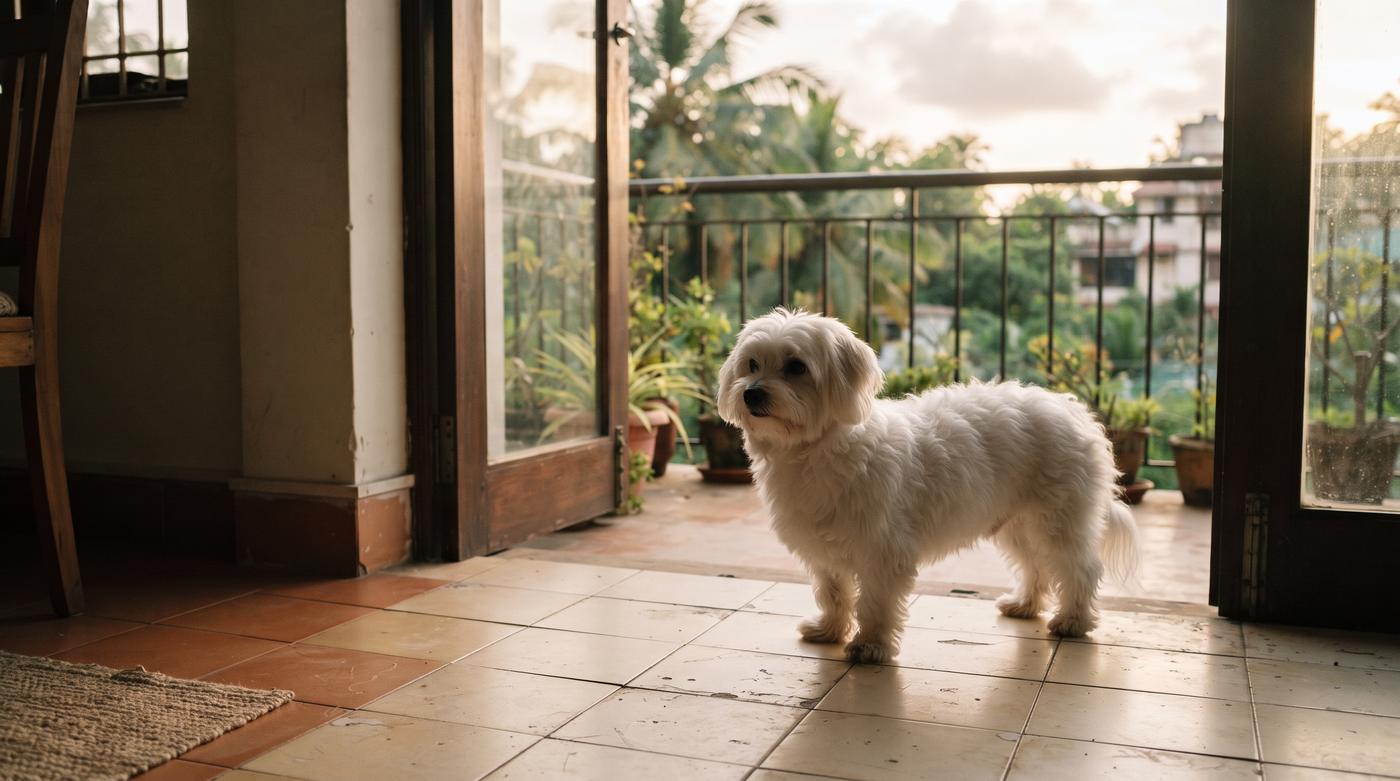
Coton de Tulear Singapore price searches usually end at an enquiry form or a waitlist. Every puppy here carries its price on the card instead, and the section below explains what that price is made of.
We have no Coton de Tulear right now. With this breed that is the normal state rather than the exception, and the gaps between litters are measured in months.
With us this week, for an HDB flat
These are not Coton de Tulears and they are not a substitute for one. They are the breeds we have puppies of today that suit the same kind of home, counted from the same roster the availability page renders.
The puppies that come closest
Real puppies at the farm today, photographed and priced, from the breeds above. Message us about one and we will send video the same day.
Available Available
 Available
 Available


 Available
 Available

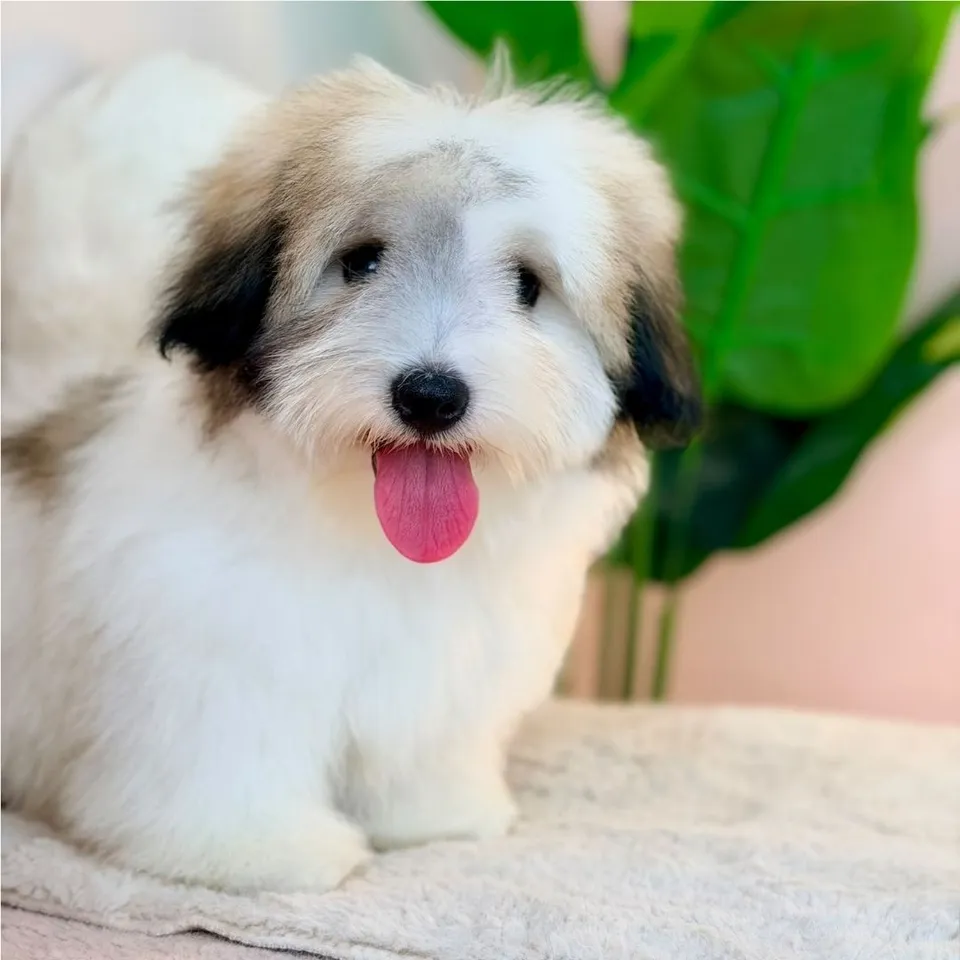
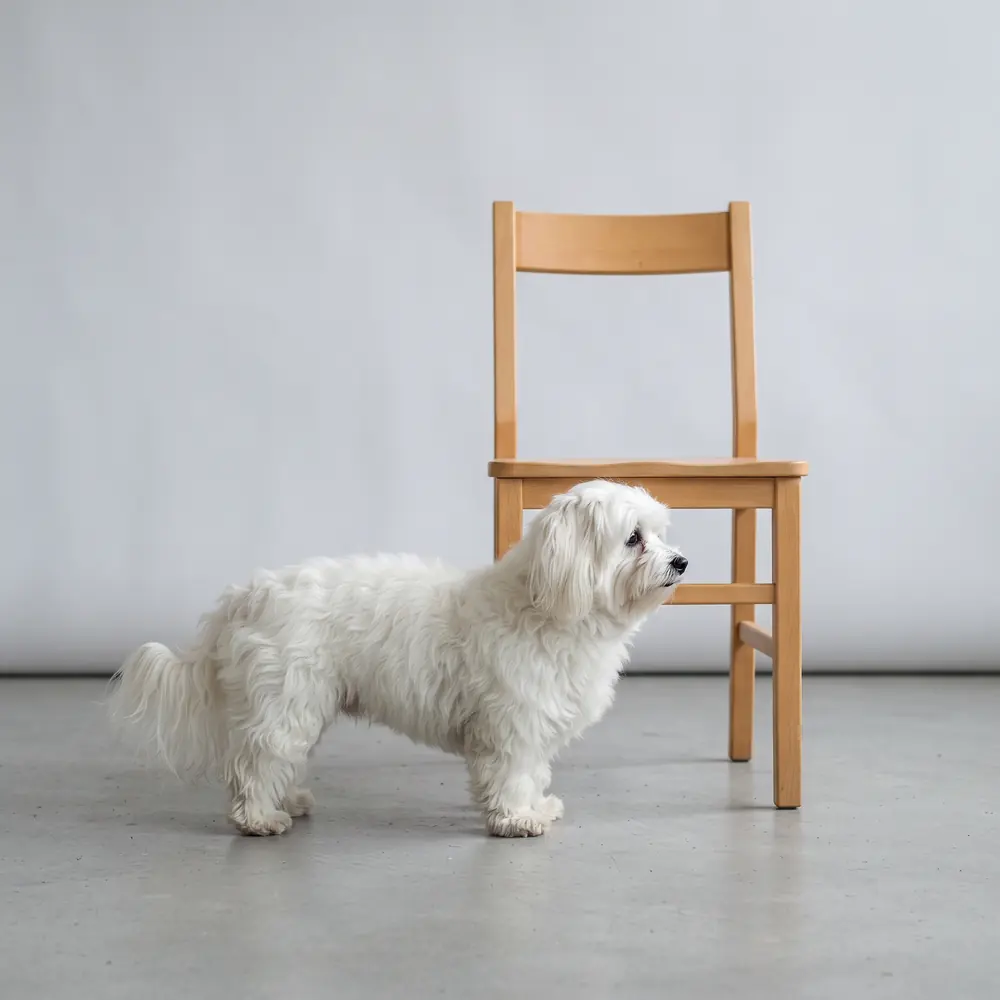
Nine illustrations of the breed: the coat colours a Coton de Tulear comes in, the size it grows to, and the coat between grooming appointments. These are drawings of the breed, not photographs of puppies for sale. Every puppy we really have is photographed and listed on the availability page.



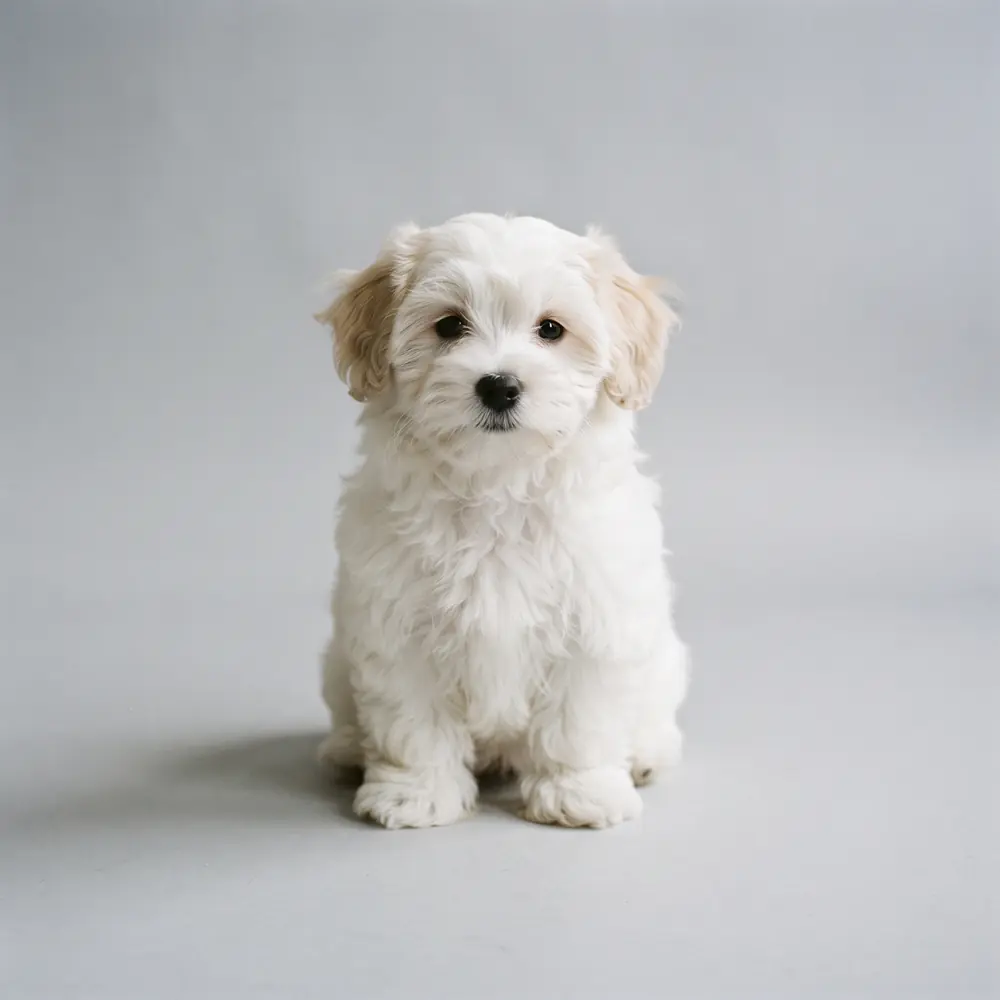




Yes. HDB approves 62 named breeds and the Coton de Tulear is one of them, listed under its own name, so it can be kept in a flat subject to the one-dog rule. Confirm your own dog with HDB rather than relying on a seller.
Between the Czech Terrier and the Dachshund, in the alphabetical run of 62 names. It is one of the less familiar entries, which is exactly why buyers miss it. where the Coton de Tulear sits on HDB’s list sets out every name, and this one is there in full.
We have spent this month writing the opposite answer on other pages. The Goldendoodle is not on the list and the Cockapoo is not either, and in both cases the page had to tell a flat-dwelling reader to look elsewhere. This breed is the reverse of that problem.
Approval attaches to the named breed, so the paperwork has to say Coton de Tulear. A general description on a receipt, something like small white terrier, is not the same thing and will not help you if it is ever questioned.
None of that is onerous. It is the difference between being allowed to keep the dog and believing you are.
A condominium or landed home carries no breed restriction of this kind at all, so the list only decides the question for flat buyers. It is the flat buyers who are usually told to forget an unusual breed, which is what makes this one worth writing down.
Because it is imported, and because almost nobody breeds it here. That is the entire answer, and it is worth more than a paragraph of atmosphere about rarity.
Every one of these dogs advertised in this country has come from somewhere else, ours included. There is no local supply to price against.
These are the most expensive dogs on this site, by a wide margin. Buying Coton de Tulear puppies here means buying imported dogs, and we would rather say why than let the number sit on a card unexplained.
Singapore has a small number of licensed breeding farms and they concentrate on breeds that sell steadily. A breed that sells three or four dogs a year does not support a local breeding programme, so the supply comes in from abroad or it does not come at all.
That is a straightforward economic fact rather than a complaint. It does mean the price of this breed here has almost nothing in common with the price of a common small breed, and comparing the two figures tells you very little.
It covers the puppy, the veterinary work done before it goes home, and the papers that travel with an imported dog. It does not cover the fifteen years afterwards.
A dog that lives 14–16 years costs more after the purchase than at it, whatever the purchase was. That is truer of this breed than of most, because the coat work never stops.
Yes, and unusually for a claim a seller makes, you can check it in about a minute.
Getting a Coton de Tulear anywhere means joining a short supply. Here it means joining a very short one.
Search the breed name alongside Singapore and look at what comes back.
That is the whole field.
A common breed returns pages of listings. This one returns individual dogs, by name. That is what scarcity looks like from the outside, and it is better evidence than any figure we could put in front of you.
We are not going to publish a number of Coton de Tulears in Singapore, because no such figure is published and inventing one to support our own argument would be worse than saying nothing. What we can tell you is what we have, which today is 0.
We sell puppies and we do not rehome adults, so we are the wrong people to ask about a Coton de Tulear Singapore rescue. It is a fair question to ask and the honest answer is that a breed this uncommon rarely turns up in local shelters, though it is worth asking them rather than assuming.
If adopting matters more to you than the breed does, our guide to adopting a dog here sets out the route, and it costs us a sale to say so.
With a common breed you choose. With this one you wait, and then you take the puppy that is there. The gap between litters reaching Singapore is measured in months rather than weeks, and a household set on a particular colour or sex may wait considerably longer.
If that sounds like a sales technique, compare it against the alternative on offer. A waitlist you can leave at any time is a reasonable thing to join. A deposit for a dog nobody can name a date for is not, and we do not ask for one.
The breed is named for its coat, and the texture is the reason it behaves the way it does here. It is cotton-like rather than oily, soft all the way through, and it grows continuously instead of shedding out on a cycle.
A coat that does not shed does not clear itself. Loose hair stays in the coat instead of landing on your floor, which is the trade people actually make when they buy a low-shedding breed, and in this humidity that trade has a deadline attached.
Brushing your Coton de Tulear means working in sections, lifting the coat and going from the skin outwards. Brushing over the top feels productive and leaves the layer underneath exactly as it was.
How often should I groom my Coton de Tulear is the question behind all of this, and daily is the honest answer for a coat kept long. Every other day is survivable. Weekly is how a dog ends up clipped off rather than brushed out, and that decision usually gets made by a groomer rather than by you.
Dry all the way to the skin after any bath, and after rain. A towel-dried dog in this climate is a damp dog, and a damp cotton coat is where both matting and smell begin.
Plenty of owners here settle on keeping the coat in a shorter clip year round. It is less striking than the long show coat and it is a great deal more practical in tropical weather, and there is nothing wrong with choosing it.
Not by nature. This is not a heavily oiled coat and the breed has no particular reputation for odour, so a Coton that smells has usually been dried badly or has a skin problem worth showing a vet.
The coat is. The dog is not. That distinction is worth holding on to, because the two get collapsed into one answer on most pages about this breed and they point in opposite directions.
You are taking on a grooming routine for the life of the dog. In exchange you get a small, even-tempered, quiet companion that is one of the easier breeds to actually live with.
Companionable, bright and notably even-tempered. This is a breed developed to be somebody’s dog rather than to do a job, and it shows in how much it wants to be in the room with you.
Less than most small companion breeds. They will tell you somebody is at the door and then generally stop, which is a different animal from a small dog that barks at everything and cannot be talked out of it.
In a flat that matters more than anywhere else, and it is a fair part of why this breed suits the housing it is approved for. No breed comes with a promise about temperament, and a bored dog of any kind will find something to say about it.
Stated as downsides rather than dressed up as quirks, there are three worth knowing before you commit.
Any of those three is a good reason to buy a different breed, and we would far rather you concluded that on this page than a year into owning one.
No, and they are quicker than several small breeds because they learn readily and take well to routine. What decides it is you rather than the dog: pick the spot before the puppy arrives and do not move it.
This is the comparison buyers actually make, and for once nothing legal rides on getting it right. Both breeds are on HDB’s approved list, so a mistake here costs you the dog you wanted rather than the right to keep it.
The differences are in the coat and the build. A Maltese carries a fine, silky, straight coat; this breed carries a fuller cotton-textured one that sits away from the body rather than falling flat against it.
| Coton de Tulear | Maltese | |
|---|---|---|
| Coat texture | Cotton-like, full, stands away | Fine and silky, falls flat |
| On the HDB list | Yes | Yes |
| Adult size | 4–6 kg | 2–4 kg |
| Lifespan | 14–16 years | 12–15 years |
| How easy to find here | Rare, and imported | Common, bred locally |
The Bichon Frise gets mistaken for it too, and is also on the list. If what draws you is a small white low-shedding dog rather than this breed in particular, the Coton de Tulear beside every other breed marks which of our breeds are HDB-approved on every card, and several of them are easier to find and considerably cheaper.
We are aware that sentence points at cheaper dogs we also sell. It is still the right thing to say on a page about the most expensive breed on this site.
A long-lived and generally robust small breed. Our own record gives 14–16 years, which is towards the top of the range for any dog and is one of the genuine attractions here.
The recognised concerns in the breed are hip dysplasia, luxating patella, and eye conditions including progressive retinal atrophy. Naming them is not a warning that your dog will have them. It is the list you should be asking a breeder about by name rather than accepting a general assurance that the parents are healthy.
14–16 years on our own record. Plan for the upper end of that rather than the lower, because the households that struggle with this breed are usually the ones that budgeted, in time as much as money, for a shorter commitment than they got.
An imported puppy should arrive with its paperwork, and you are entitled to see it before you decide anything. This is the one area where an imported dog is easier to check than a locally bred one, because the documents have to exist for the animal to travel at all.
A seller who cannot produce those for an imported dog is telling you something. Ours are at the farm and you are welcome to read them there.
What a Coton de Tulear costs in Singapore depends on the puppy, and ours are $9,888–$12,888. That is the range of the dogs listed above rather than a headline figure, and it moves as the roster turns over.
More than any other breed on this site, for the four reasons set out above. If you have read this far and the number still looks wrong to you, that is a legitimate conclusion and a cheaper breed on the approved list will give you a very good dog.
Core doses at weeks 6 and 8 at the farm, with deworming at each visit, and homecoming about a week after the second. The third falls at week 12 with your own vet, and an optional fourth at week 16 if your vet advises it. the vaccination weeks a Coton de Tulear puppy follows sets out the whole first year.
Roster synced October 2026. Information last checked 26 August 2026.