
Foster Dog Singapore: What It Actually Involves
Foster dog Singapore, the short answer: you give a rescue dog a temporary home, normally for weeks or months, while the welfare group keeps responsibility for it. Costs are usually covered.
6 of the 10 results on this search are written by organisations that need fosterers. This one is not: we sell puppies, and fostering is a route we earn nothing from, which is why we can lead with the part everybody else puts at the bottom.
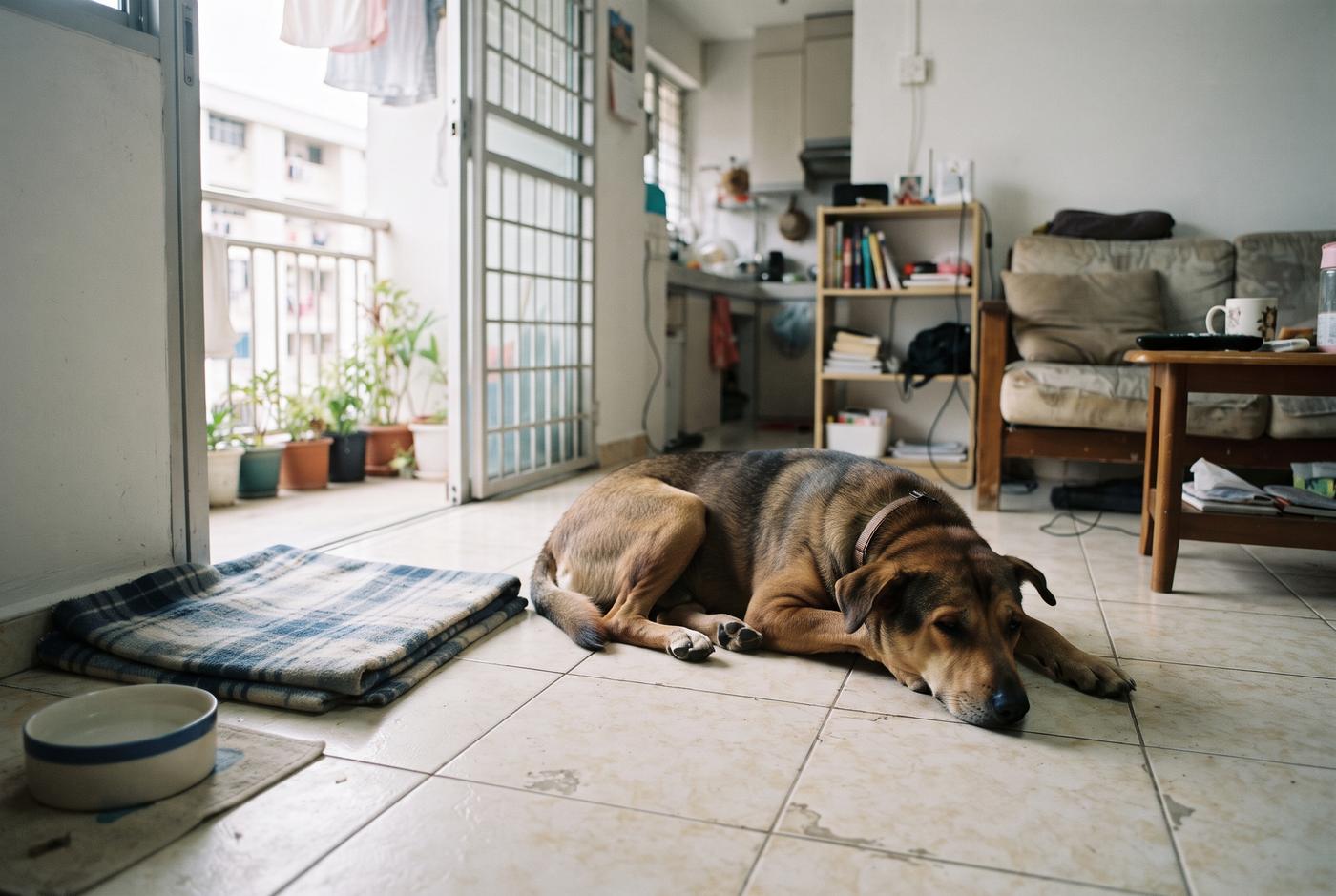
What does foster dog Singapore actually mean?
Temporary care for a rescue dog in your home, arranged by an animal welfare group that keeps responsibility for the dog. Placements usually run for weeks to months until the dog is adopted. The group normally covers the dog’s costs, and you cover your time.
The part the recruitment pages put last
The foster dog meaning that matters is in this sentence: you give the dog back. That is not a risk of fostering a rescue dog, it is the design, and it is the thing that stops most people who think about it.
Six of the ten results on this search are written by organisations that need more fosterers. That is an honourable reason to write a page, and it is also why the handover tends to appear near the bottom, phrased warmly. The only result that leads with it is a news feature about how fosterers cope afterwards.
Fosterers overwhelmingly describe the first handover as genuinely hard, and then do it again. Both halves of that sentence are true, and you should hear the first half before you start rather than after.
Foster failure, said properly
A fosterer who adopts the dog they were fostering is called a foster failure. It is affectionate, it is common, and it is nobody’s failure.
On recruitment pages it usually appears as a charming accident. It is more useful to treat it as a real possibility you have thought about in advance, because a household that has quietly decided it cannot keep a dog needs to know that before it meets one.
Fostering, adopting or buying: three different commitments
Nobody puts fostering, dog adoption and buying side by side, which is a shame, because for a household that is not sure it can commit to fifteen years, fostering is the answer nobody offered.
What each route actually asks of you
The bottom row is the disclosure. Puppy Singapore is the marketplace of an AVS-licensed breeding farm, licence BR25052, and we earn from the right-hand column only. Our adopt-or-buy guide covers the other two in more detail, and says the same thing it says here: for most households, buying is not the answer.
Who pays for what
The general shape is simple: the welfare group covers the dog, and you cover your time. Food, veterinary care and supplies normally sit with the group, and some ask fosterers to cover part of it.
We publish no organisation’s terms. They differ, they change, and a stale arrangement quoted on a seller’s page would set the wrong expectation before you have even made contact. Ask the group at the first conversation.
How much are foster parents paid in Singapore?
Nothing, for dogs. This question is in the box beside this search because Google is showing you results about HUMAN foster care, which is a different system with different rules and different money.
It is worth knowing, because several of the questions displayed alongside this search are about foster children rather than foster dogs, including whether foster parents may hug or kiss a child. Those are not answers to your question and no dog page should pretend they are.
How much does it cost to adopt a dog in SG?
Free foster dog Singapore searches are really this question. Dog adoption involves a rehoming fee set by each welfare group, which fostering does not, because a dog foster parent is not acquiring the dog.
We publish no group’s fee, for the same reason we publish no group’s fostering terms. Our page on Singapore’s dog shelters explains what the fee covers and why it exists.
What is the 3-3-3 rule with dogs?
Three days to stop being overwhelmed, three weeks to settle into a routine, three months to feel at home. A fosterer meets it sooner and more sharply than an adopter does, because the dog arrives straight from a shelter.
Expect the first few days to look nothing like the dog you end up knowing. It is a framing device rather than a timetable, and a dog still shut down at week four is taking longer, not failing.

The flat question to ask before anything else
A dog living in your flat is subject to the flat’s rules whatever the arrangement is called. Most dogs in local shelters are Singapore Specials, which are not on HDB’s approved breed list, so this is a real question rather than a formality.
What we know, and what we are not going to guess
Ask the welfare group first, since they place dogs into flats routinely and will know how they handle it. Then check HDB’s own pet rules yourself rather than relying on any third party, this page included.
- Ask before the dog arrives, not after. This is not a question you want to be resolving with an animal already in the flat.
- Ask about the specific dog, since size and breed decide it rather than the arrangement alone. The same applies if you already own a dog.
- Ask your landlord too if you rent, because a tenancy agreement is a separate matter from the flat rules.
For the settled half of this, our Project ADORE page sets out the adoption scheme and which dogs an HDB flat allows covers what is allowed without it.
Is fostering right for your household?
Fostering suits more people than adoption does, and fewer than the recruitment pages imply. Most dog rescue groups here place both cats and dogs, so ask which they need this month. Here is the honest split.
- You want to care for a dog in your life but cannot commit to fifteen years.
- Your household is stable now but uncertain a year out.
- You have time and patience more than money.
- You would rather help several dogs than one.
- You already know you could not hand the dog over, whether or not you have fostered before.
- Your flat situation is unresolved and you would be finding out afterwards.
- You travel often enough that a placement would need covering.
- You want a specific breed, age or coat, which is a different conversation entirely.
Where to start
If it does suit you, become a dog foster the direct way and go to a welfare group. AVS publishes the list of its partner animal welfare groups, which is the reliable place to start. Each runs its own briefing and matching, and none of it goes through us.
Where the information on this page comes from
- Where to start fostering: the AVS list of partner animal welfare groups, read 26 August 2026. That list is the authority; this page is not a directory and does not try to be one.
- The general shape of a placement: described from how the AVS partner groups publicly describe fostering, in general terms only. No organisation’s allowance, supply arrangement, application process, contact details or address appears anywhere on this page, because those belong to them and they change.
- What we deliberately do not answer: how HDB or Project ADORE treat a FOSTERED dog. We have not verified it, the answer would sit on your tenancy rather than on our page, and a confident guess would be the most damaging thing here. The page names who to ask instead.
- The flat rules that are settled: HDB’s own pet rules, confirmed in a browser on 25 August 2026 since the host blocks automated requests, plus our own pages on Project ADORE and the approved breed list.
- The observation about this search: six of the ten organic results are welfare organisations' own fostering or FAQ pages, and the questions Google displays beside the query are largely about human foster care rather than dogs. Both are our own reading of the live search results on 26 August 2026, not a claim about any organisation.
- Our own position: Puppy Singapore is the marketplace of an AVS-licensed breeding farm, licence BR25052. We earn nothing from fostering, and that is disclosed in the top fold and in the comparison rather than only here.
- Screening and questions: Southend Dog Training, quoted above with a link to the source video and used for the reasoning rather than as an authority on Singapore fostering.
Information last checked 26 August 2026.