
Dog Shelters Singapore
Dog shelters Singapore, the short answer: the reliable list is the one AVS publishes of its partner animal welfare groups. A directory copied onto a page like this one goes stale within months, so we link to theirs instead. 5 of those groups rank on this search under their own names, and each runs its own adoption process.
One thing before you read on. We sell puppies. This page exists because people looking for shelters land on it, and the least useful thing we could do is pretend otherwise.
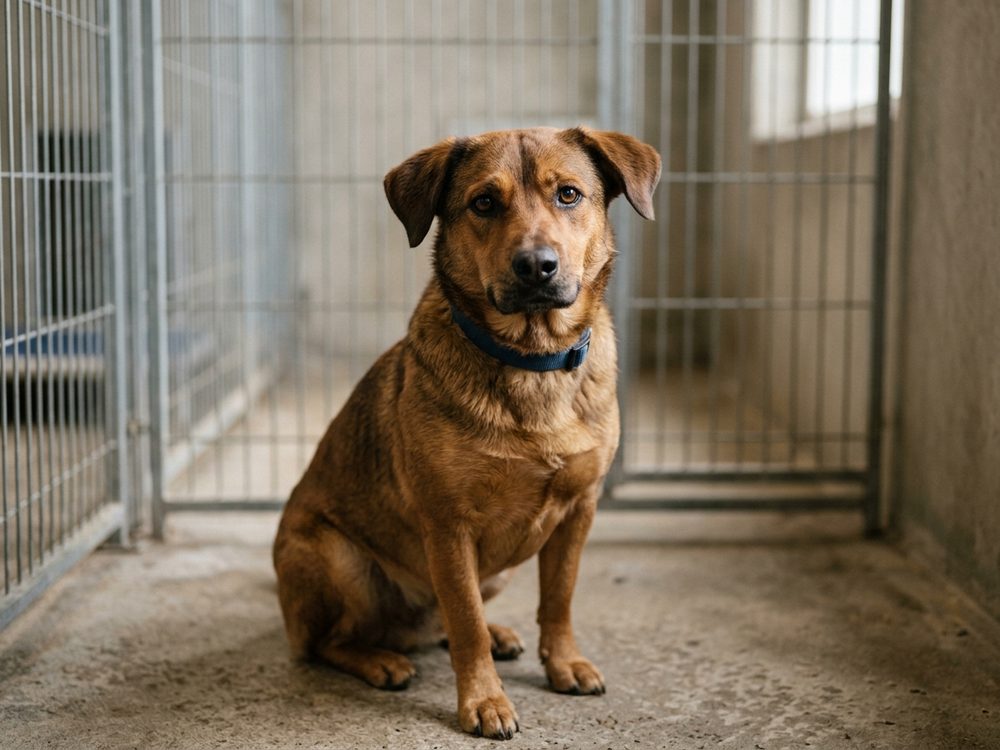
Are there animal shelters in Singapore?
Yes, several. The reliable way to find them is the list AVS publishes of its partner animal welfare groups, because the regulator keeps it current and a page like this one cannot. The groups visible on this search are SPCA Singapore, SOSD, Action for Singapore Dogs, Causes for Animals and OSCAS.
Dog shelters Singapore: start with the official list
Searches for dog shelters Singapore turn up plenty of directories. AVS maintains the one that matters: a list of the animal welfare groups it partners with. It is the authoritative answer to which organisations are real, and it is the first place to look.
We are not going to publish a rival directory. A hand-built list of addresses, opening hours and adoption fees goes stale within months, and a stale directory is worse than none: it sends somebody to a place that has moved, or quotes a fee that has changed.
Why the official list beats a directory on a seller’s website
The groups that rank on this search
Named because each appears on this search under its own name, described in one line, and linked to its own site. We have no relationship with any of them and claim none.
For anything operational, opening hours, adoption fees, what is available this week, go to the group directly. Those details are theirs and they change.
We sell puppies. Read this page with that in mind
Puppy Singapore is the marketplace of an AVS-licensed breeding farm, licence BR25052. We make money when somebody buys a puppy, and this page serves people who are thinking about adopting instead.
That is worth saying plainly at the top rather than in small print at the bottom, because a reader who works it out for themselves is right to discount everything else here. It is also the only way the next paragraph carries any weight.
For most households, adoption is the better answer. If you are flexible on breed, age and history, there is a dog in one of those organisations that needs you more than we need the sale.
Buying from a licensed seller is the honest answer in a narrower set of cases.
- Breed certainty, when the flat rules require a breed on HDB's approved list.
- A specific coat, when somebody in the household has an allergy.
- A full written record of health and ancestry from day one.
Those are real reasons and they do not apply to everybody.
What we will not do is tell you that shelter dogs are damaged, that adoption is complicated, or that a puppy from us is safer. None of that is true, and a seller who says it is telling you about their sales target rather than about dogs.
What adopting a dog in Singapore actually involves
Dog shelters Singapore run a matching process rather than a transaction, and that is the main thing that surprises people coming from a retail mindset. The steps below are the common shape; each group runs its own version.
- 1Find the dog, or let them find it for you. Groups list dogs on their own sites and socials. Many will also ask what your household is like and suggest dogs you would not have picked yourself, which is usually better than browsing.
- 2Meet the dog. Sometimes more than once, and often with everyone who lives with you. A dog that is quiet in a kennel can be different in a home, and the group will tell you what they have seen.
- 3Expect a home visit. This is the step that catches first-time adopters out. It is not an inspection of your housekeeping, it is a check that the space, the gates and the household suit that particular dog.
- 4Pay the rehoming fee, and keep in touch. The fee recovers part of what the group has already spent. Most groups follow up afterwards, and most want to hear from you if it is not working rather than have the dog quietly rehomed again.
How long it takes varies by group and by dog, and we are not going to invent a timeline. Our adopt or buy guide walks the decision itself in more detail.
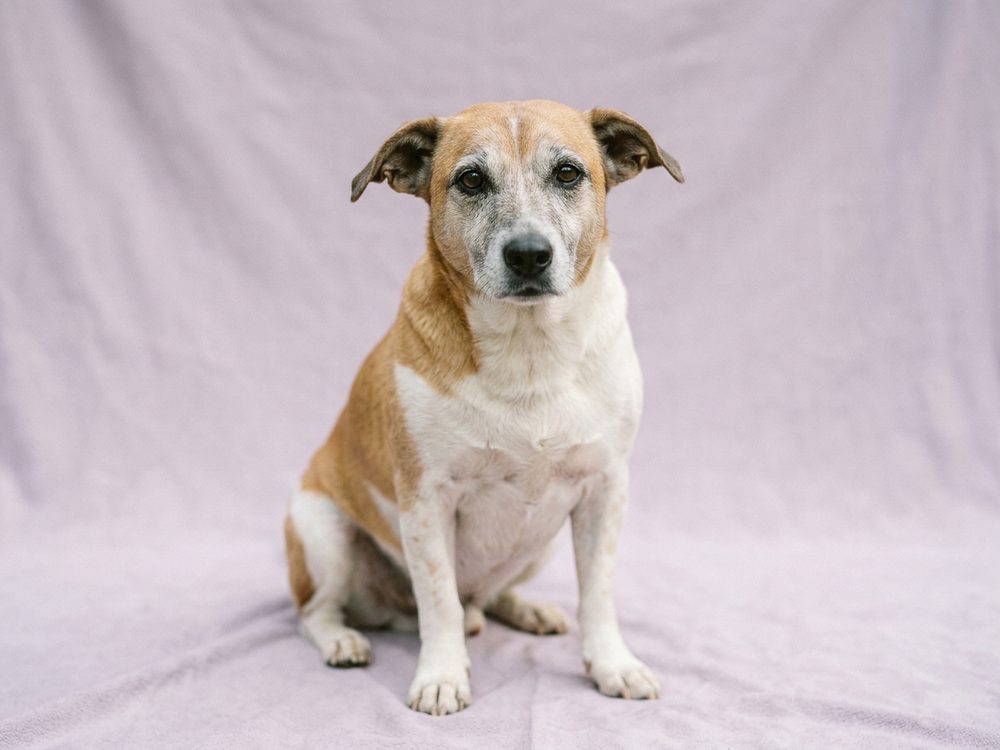
Project ADORE: how an adopted dog can live in an HDB flat
Most dogs in local shelters are Singapore Specials, local mixed breeds, and they are not on HDB's approved breed list. For most Singapore households that would be the end of the conversation, which is exactly why Project ADORE exists.
The scheme allows a local mixed-breed dog to be kept in an HDB flat, subject to conditions.
- Size limits, which is why it suits the smaller Singapore Specials.
- Sterilisation and microchipping, both required rather than encouraged.
- Training conditions, which the rehoming group will walk you through.
If you live in a flat and want to adopt, this is usually the route rather than an exception to it.
We set out the conditions on the Project ADORE page, and HDB's list of allowed breeds covers what is allowed without it.
If you decide to buy rather than adopt, the HDB-approved breeds we carry include the Maltese, Shih Tzu, Toy Poodle and Bichon Frise, and our puppy price guide lists what each breed costs.
Is dog adoption in Singapore free?
No, and a rehoming fee is normal rather than a warning sign. Puppy adoption Singapore searches are full of the word free, and it is worth understanding what the fee is for.
- What it covers: typically part of what the group has already spent, which usually includes sterilisation, vaccination and microchipping.
- What it filters: impulse takers. A fee is a small commitment test, and groups use it deliberately.
- What it is not: a price for the dog. Groups are not selling; they are recovering costs and placing an animal.
- Where to get the number: from the group itself. Fees differ between organisations and change over time, so we do not quote them here.
What happens to stray dogs in Singapore?
They are handled by AVS together with its partner animal welfare groups. Any animal shelter Singapore recognises as a partner can take them, and dogs that can be rehomed go into the adoption programmes those groups run, and community animals may be sterilised and returned under managed programmes rather than removed.
We publish no figures here: not how many dogs, not what proportion are rehomed, not outcomes. We hold none we can stand behind, and on this subject in particular a number invented to make a page feel authoritative would be worse than saying nothing.
Can I volunteer at a Singapore dog shelter?
Yes. Every dog shelters Singapore volunteer enquiry is welcome, and most groups need the help more than they need another share on social media. If you cannot adopt right now, this is the useful thing you can do instead.
- What the work usually is: dog walking, kennel cleaning, laundry, socialising nervous dogs, transport runs, fostering, fundraising and admin.
- Where volunteers are most needed: the unglamorous end. Cleaning, transport and weekday shifts, when most volunteers are at work.
- Fostering is the standing need. A dog in a home frees a kennel and settles far better than one in a shelter, and it is the single most useful thing most people can offer.
- What you can do with your own dog: less at a shelter than you would think, because resident dogs are managed carefully. Ask first, always.
- How to start: apply through the group itself. Each runs its own briefing and scheduling, and none of it goes through us.
What is the 3-3-3 rule for dogs?
A rule of thumb for a newly rehomed dog, and more useful for an adopted adult with a history than for a puppy that has never known anywhere else.
Three days, three weeks, three months
Where the information on this page comes from
- The list of animal welfare groups: the AVS list of partner animal welfare groups, checked 26 August 2026. That list is the authority, not this page.
- The organisations named: each is named because it appears on this search under its own name, and each links to its own site. We have no partnership, affiliation or endorsement with any of them and claim none.
- What we deliberately do not publish: addresses, opening hours, phone numbers, adoption fees, intake capacity or dog counts for any organisation. Those belong to them, they change, and a stale figure on a seller's page could send somebody to the wrong place or set the wrong expectation. An earlier version of this page carried several of them and they have been removed.
- Stray and community dogs: described qualitatively from how AVS and its partner groups operate. No population, intake, rehoming or outcome figure appears anywhere on this page, because we hold none we can stand behind.
- Project ADORE and HDB: the scheme conditions as set out on HDB's own pet rules, confirmed in a browser on 25 August 2026 (the host blocks automated requests), and on our own Project ADORE page.
- Our own position: Puppy Singapore is the marketplace of an AVS-licensed breeding farm, licence BR25052. That commercial interest is disclosed on the page itself rather than only here.
- Settling-in guidance: Southend Dog Training, quoted above with a link to the source video and used for the reasoning rather than as an authority on adoption.
Information last checked 26 August 2026.