
 Available
Red White Corgi puppy
Male3 monthsNot HDB
$5,000
Ask about Red White Corgi puppyFull details on Red White Corgi puppyBorder Collie puppy for sale Singapore, the short answer: $5,880–$6,988 from Puppy Singapore, an AVS-licensed seller, vet-checked, vaccinated and microchipped under licence BR25052. At 14–20 kg the breed is not on HDB's approved list, and the demanding part is the mind rather than the size.
The rest covers the two DNA tests to ask a breeder for by name, and the honest version of what a working breed does in a household with no sheep in it.
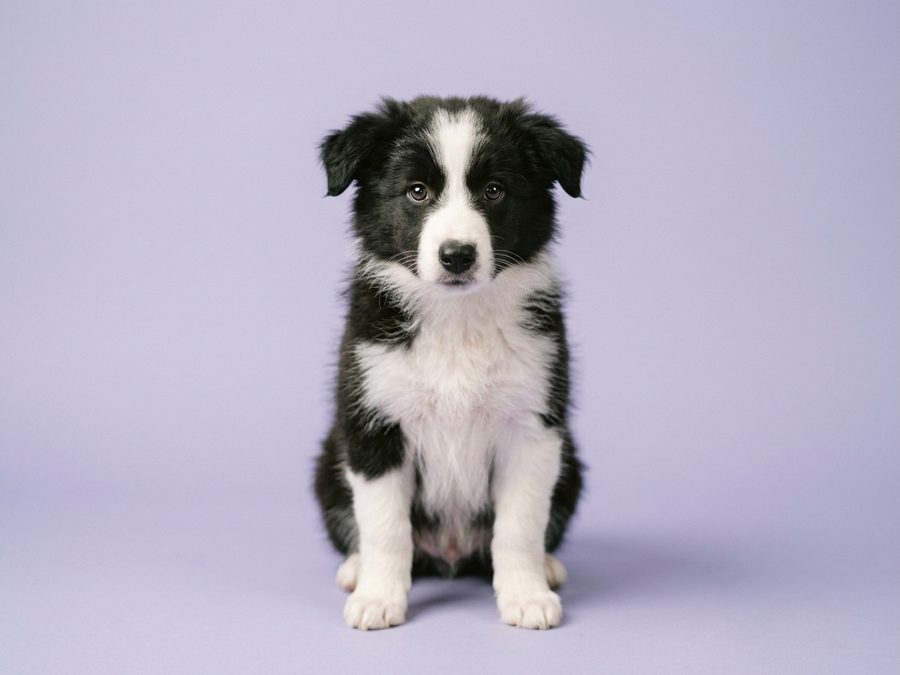
No Border Collie is listed here this week. Litters of this breed are infrequent in Singapore, so a gap is normal rather than a sign that something is wrong.
With us this week, for a condo or landed home
These are not Border Collies and they are not a substitute for one. They are the breeds we have puppies of today that suit the same kind of home, counted from the same roster the availability page renders.
The puppies that come closest
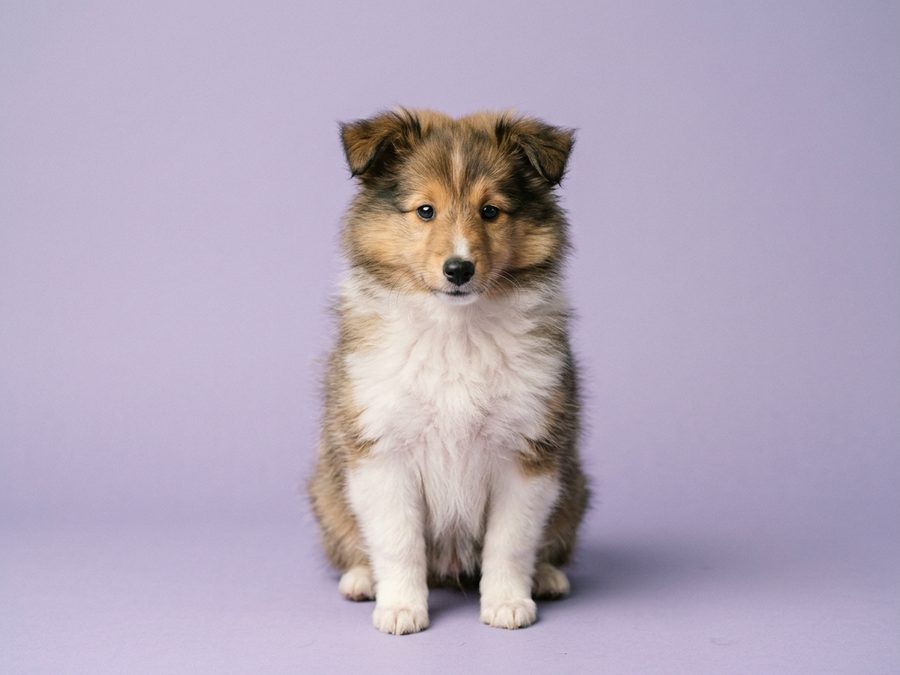
Real puppies at the farm today, photographed and priced, from the breeds above. Message us about one and we will send video the same day.
Available Available
 Available
 Available
 Available
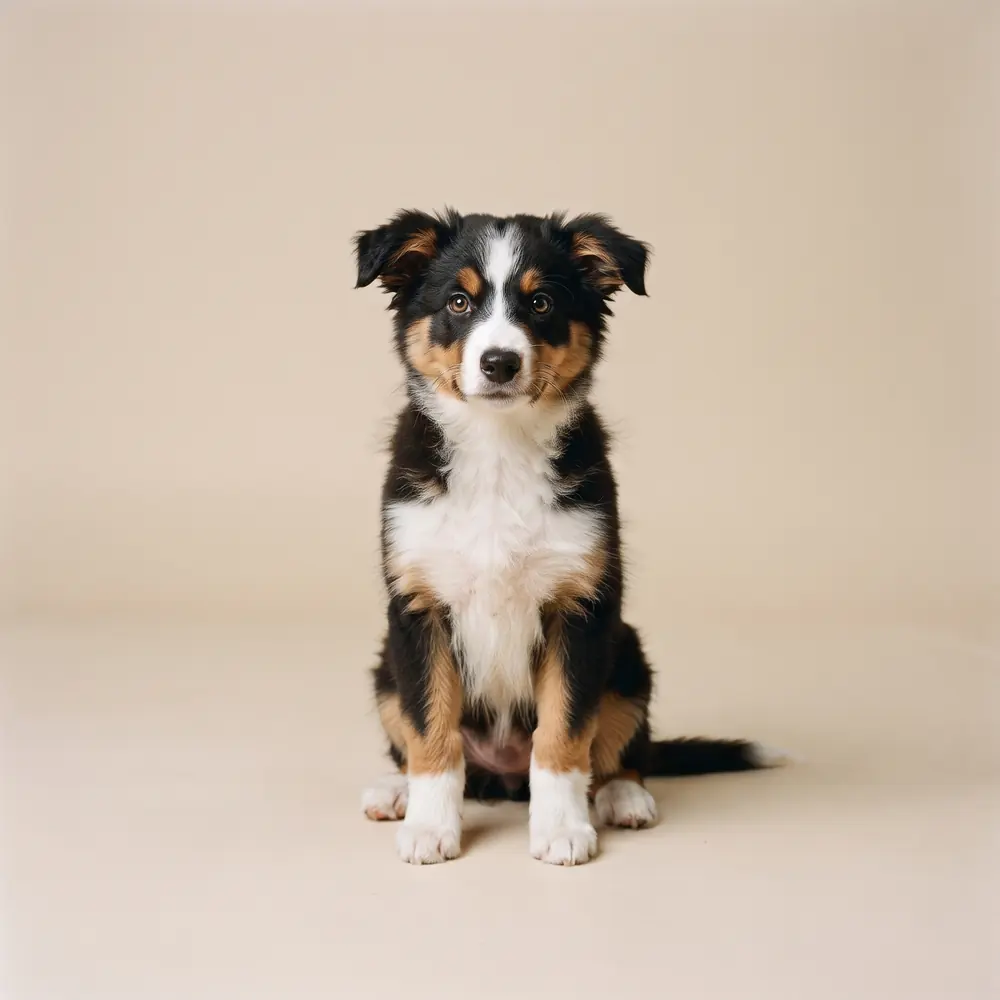
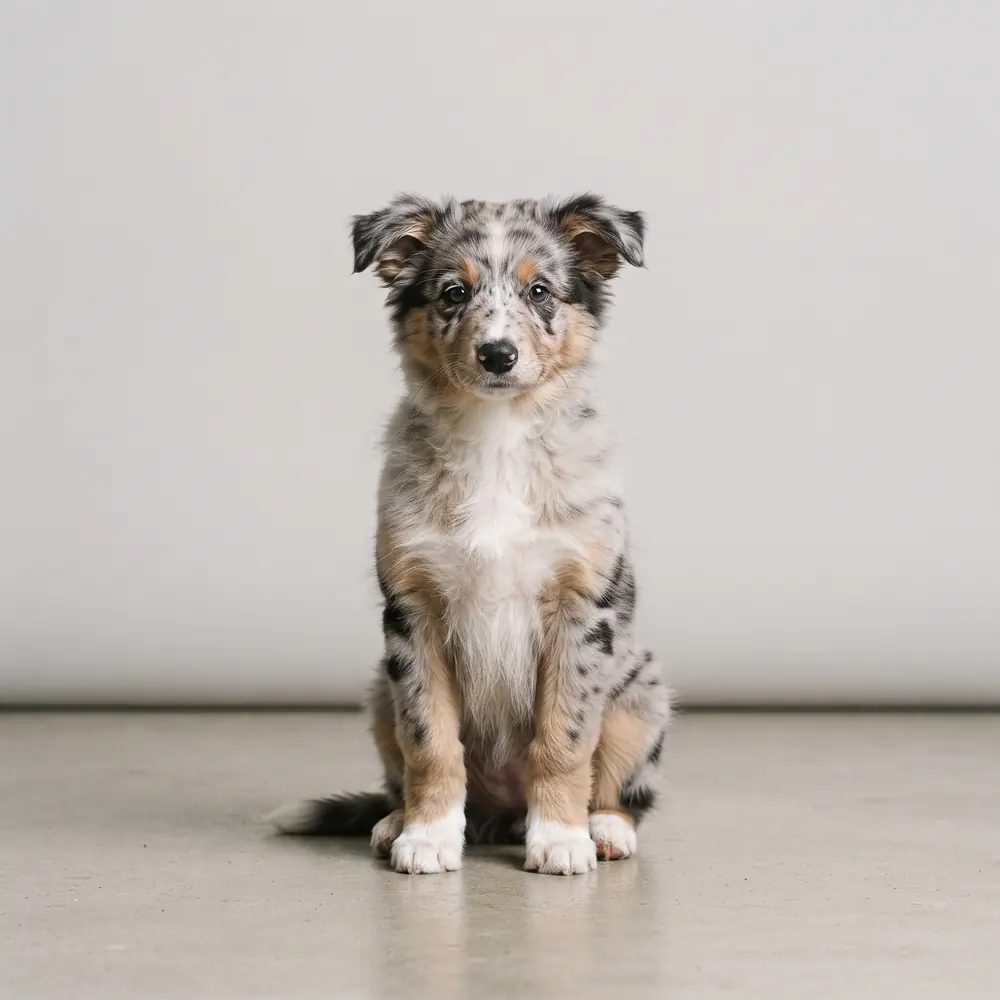
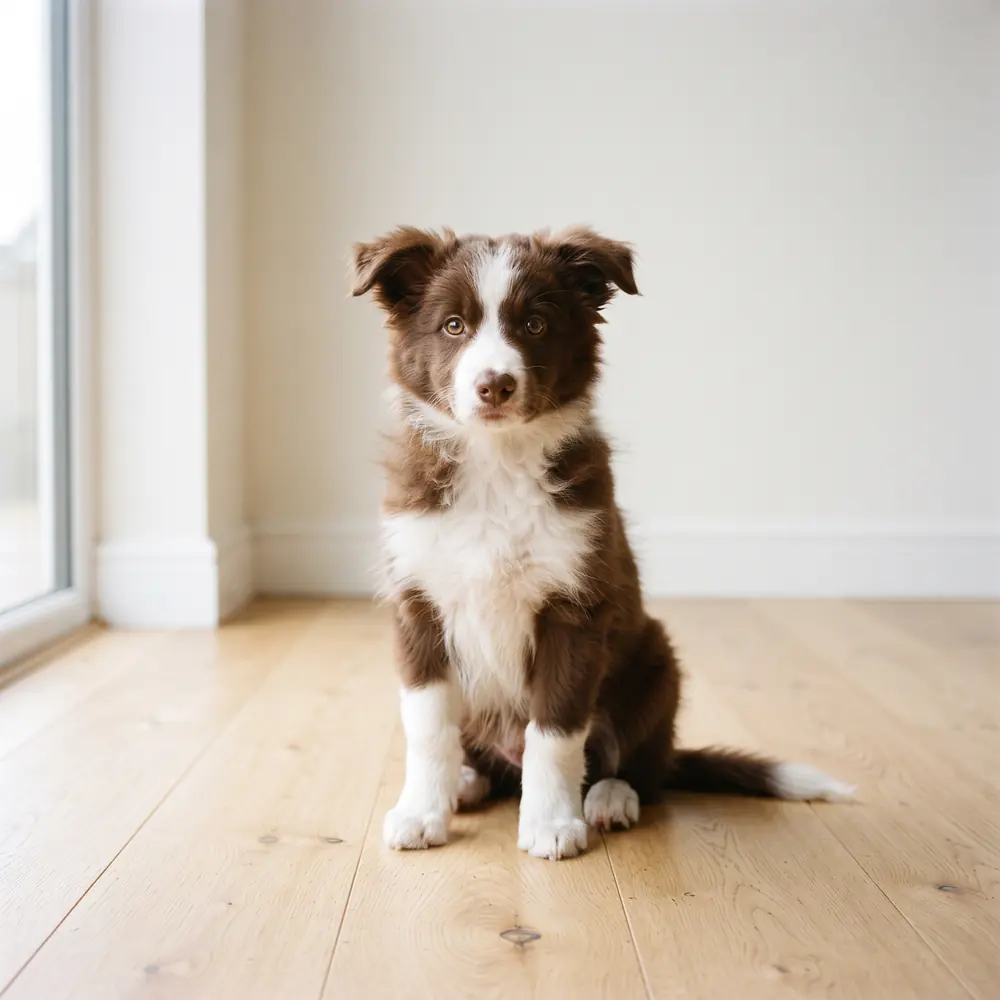
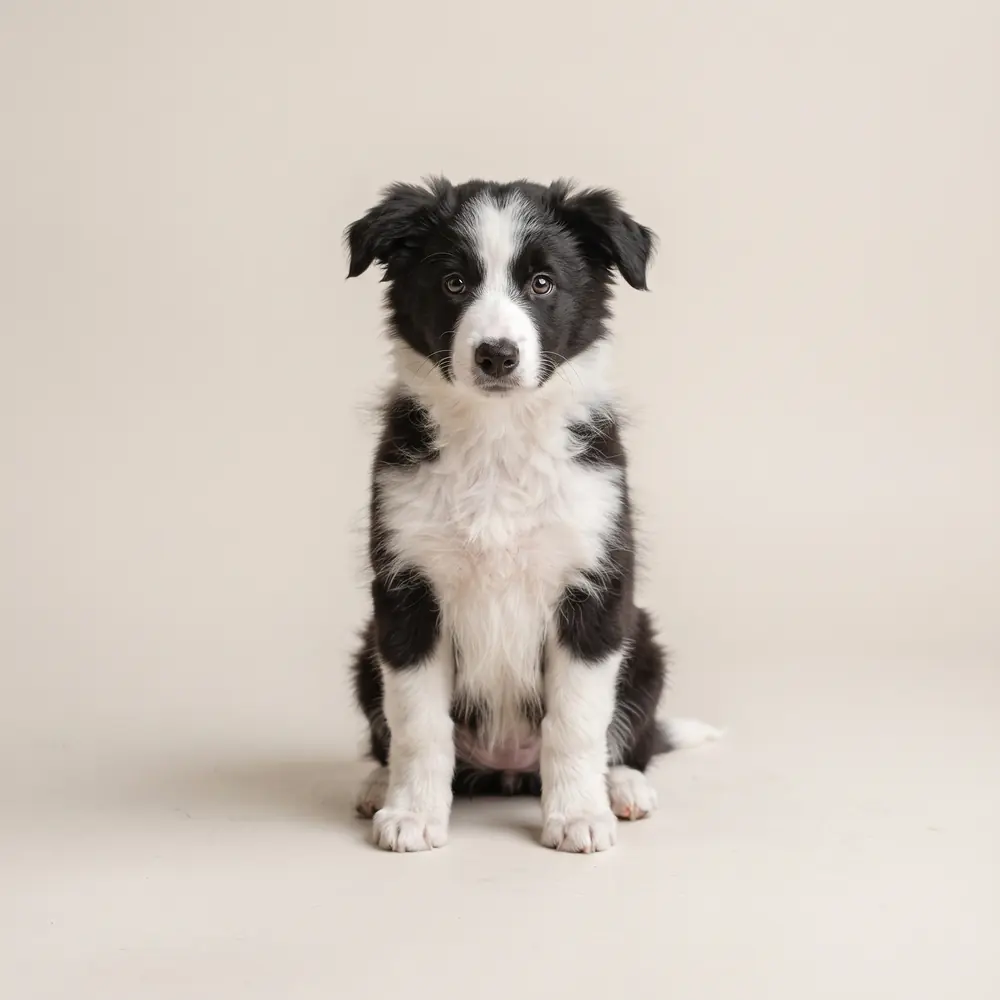
These Border Collies have already gone home. They are here so you can see the coats our litters arrive in, not as available stock.
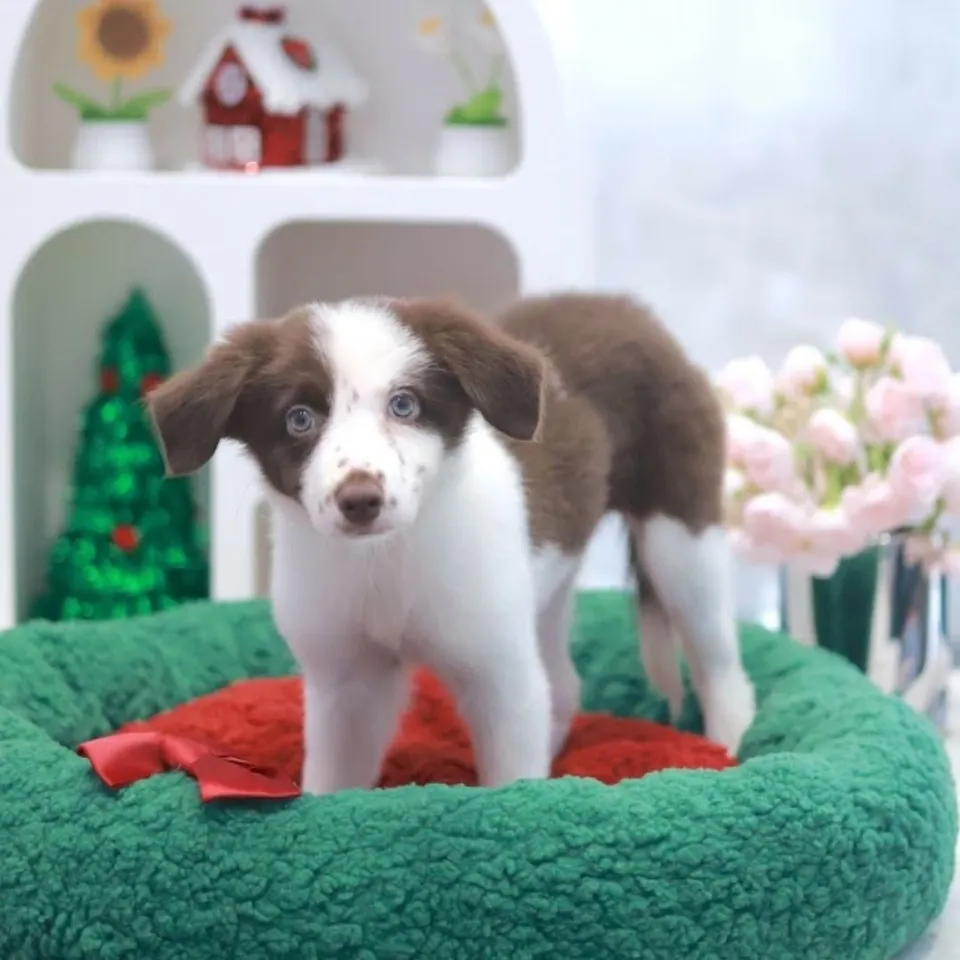
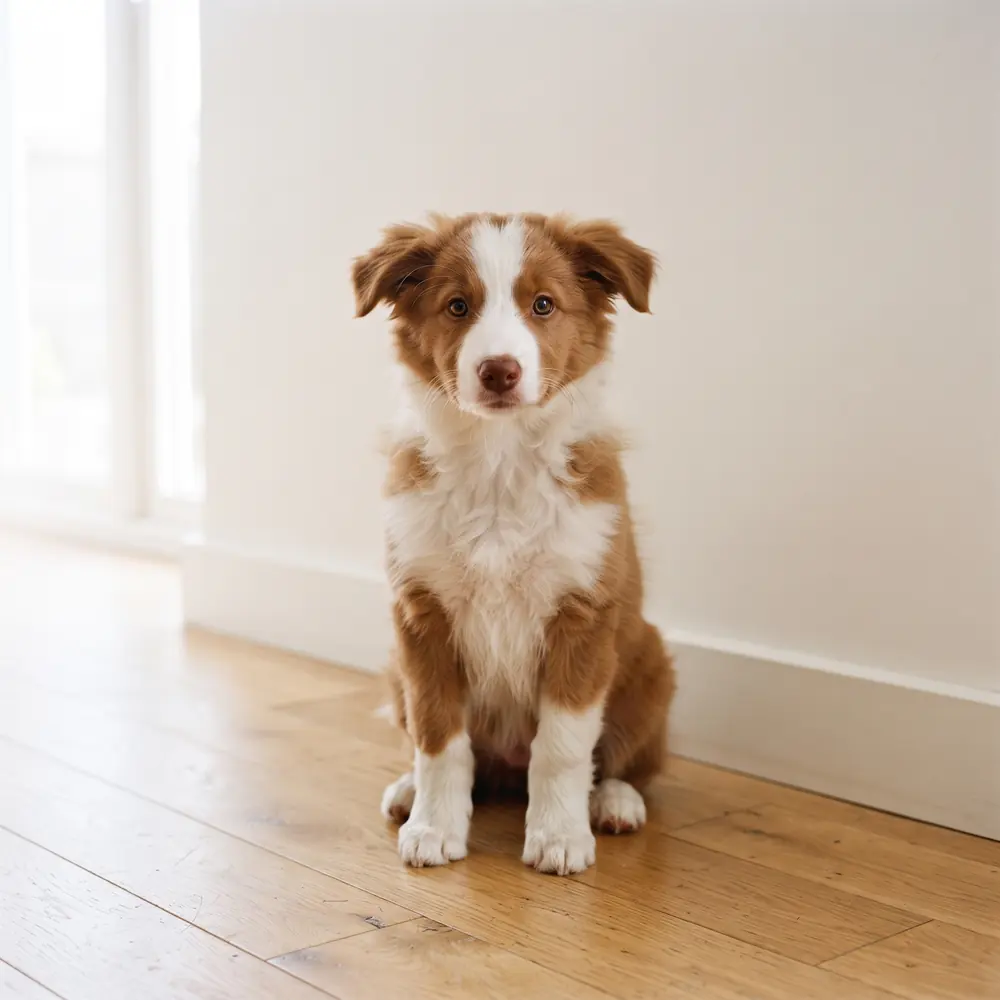
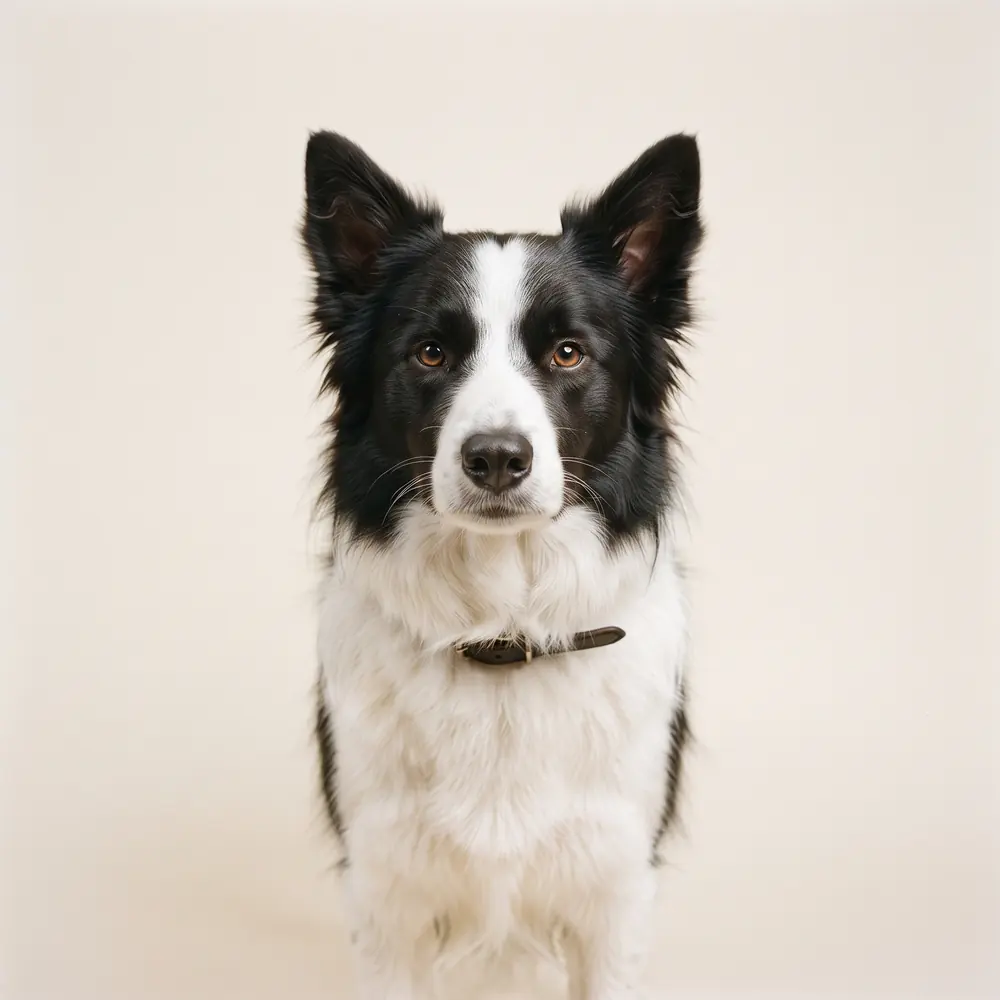
Nine illustrations of the breed: the coat colours a Border Collie comes in, the size it grows to, and the coat between grooming appointments. These are drawings of the breed, not photographs of puppies for sale. Every puppy we really have is photographed and listed on the availability page.
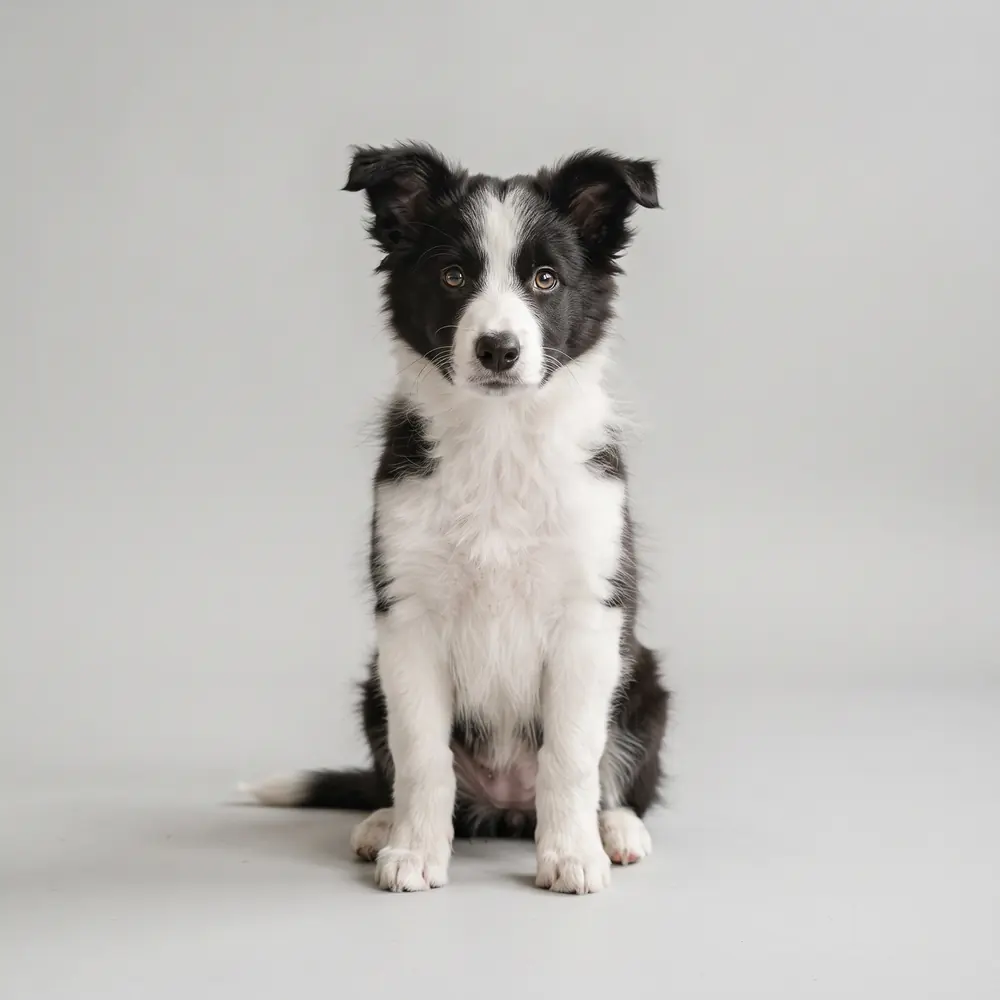
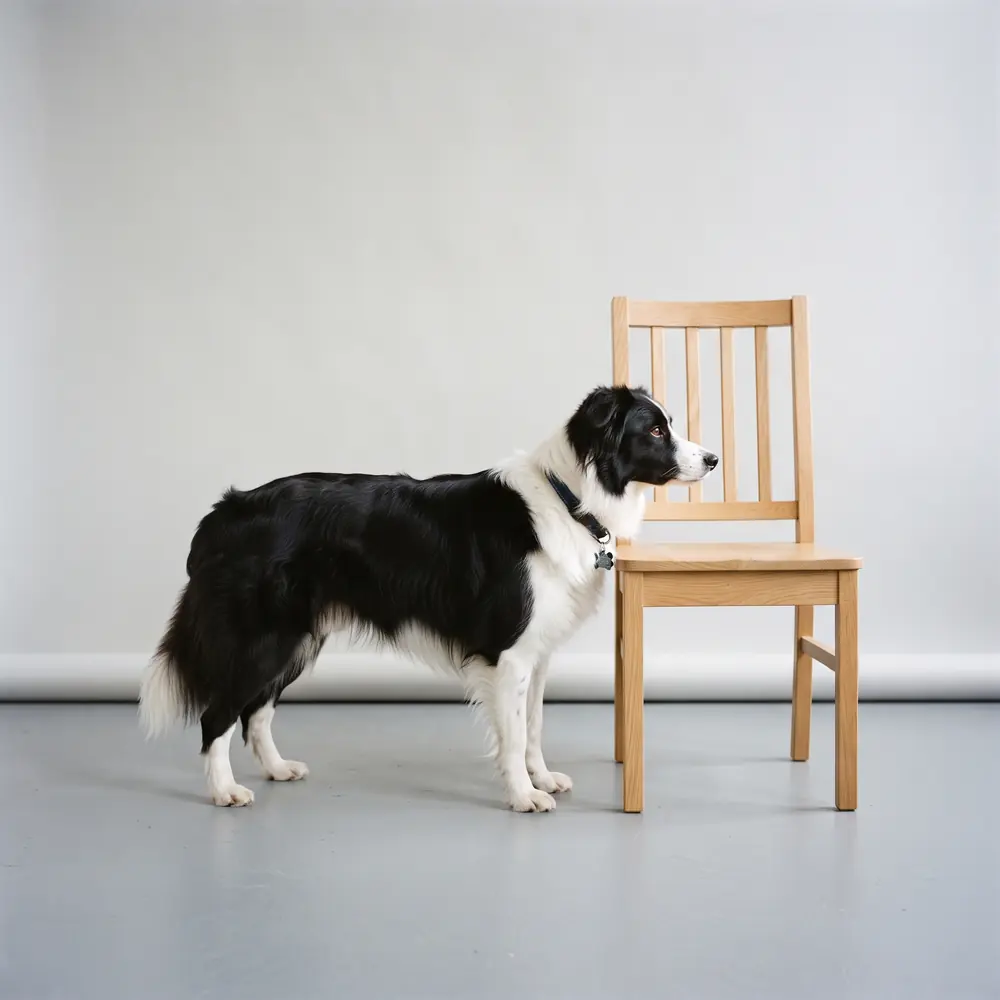
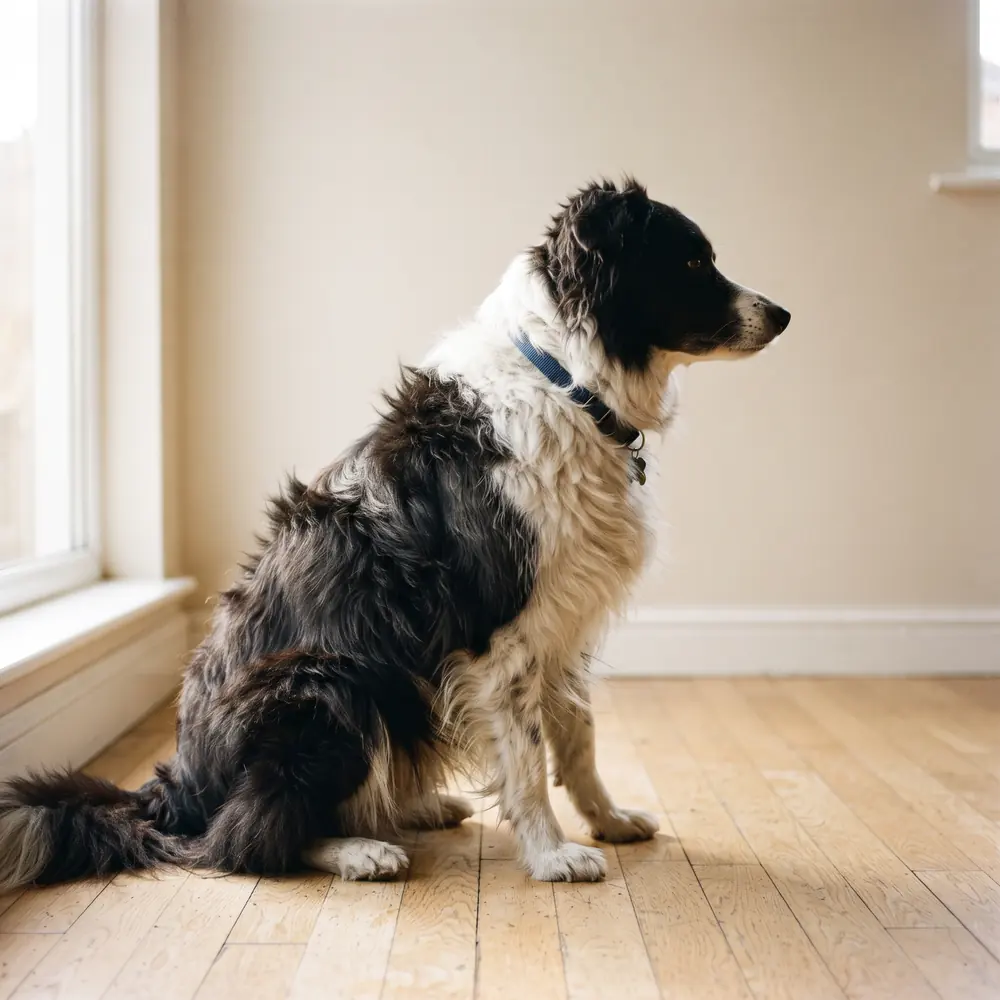
No. The Border Collie is not on HDB's approved breed list, so this is a condo or landed dog at 14–20 kg. Size is only half the reason: a working breed selected to think all day needs a job every day, and a flat is the wrong setting for that even where the rules allow it.
A Border Collie puppy costs $5,880–$6,988 from an AVS-licensed seller. Every Border Collie puppy for sale Singapore listing on this site carries its price in public, before you enquire, and that is the price you pay.
| Line | Typical cost | What moves it |
|---|---|---|
| Food | $50 to $90 a month | A 14–20 kg active dog |
| Training and enrichment | A real line in this breed | Classes, sport, puzzles and the equipment that goes with them |
| Grooming | Low, a de-shed rather than a clip | The coat is brushed and never cut |
| AVS dog licence | $15 a year sterilised, $90 if not | Duration and sterilisation status, less a 10% online rebate |
The training line is the one that separates this breed from every other on the site. Our price hub publishes what a Border Collie costs here to buy and to keep, breed by breed.
Most health advice on breed pages is vague on purpose. This is not: two specific tests exist for this breed, both give a document rather than a reassurance, and neither is mentioned on any local Border Collie page we can find.
MDR1 is a gene involved in keeping certain substances out of the brain. A mutation affecting it is well recognised in Border Collies and other herding breeds, and a dog carrying it can react badly to several common veterinary drugs at ordinary doses, including some parasite treatments and some anaesthetic agents.
It is one DNA test with an answer that never changes. What matters is that the answer is in the dog's file at every clinic that treats it, because the moment it counts is an emergency rather than a routine visit.
We publish no carrier frequency here, because we do not hold a figure we can stand behind. That the test exists and that the result belongs in the dog's file is the whole point.
Border Collies are rarely rehomed for being difficult to exercise. They are rehomed for what they do when the exercise stops and the brain keeps going.
This breed was selected for centuries on working ability alone, which produced a dog that watches, anticipates and looks for the next task. Give it no task and it will pick one: herding the children, patrolling the window, dismantling something, or barking at a sound three floors down.
A tired body and a bored brain still produce a destructive dog. In this breed the thinking work is not optional enrichment, it is the exercise.
This is the practical half, and it is missing from every page on this search. Twenty to thirty focused minutes a day changes the dog you live with.
| What | How much | Why it works |
|---|---|---|
| Scentwork | 10 to 15 minutes, most days | Tires a dog faster than walking, and can be done indoors in the heat |
| Trick and obedience training | 2 short sessions a day | Short, structured, and this breed learns faster than you can teach |
| Food puzzles and shaping games | Every meal, if you like | Turns feeding into work rather than a bowl emptied in ninety seconds |
| Dog sport | Weekly, once grown | Agility, obedience or flyball give the dog a real job and you a class to attend |
| Fetch on repeat | Use sparingly | It builds arousal rather than settling it, and it is hard on growing joints |
Teaching an off switch matters as much as any of the above. A Border Collie that has learned to settle on a mat when the household is quiet is a dog that can live in a home rather than only in a field.
Border Collies cope with the climate reasonably well for a medium double-coated breed. The problem is not the coat, it is the drive: a working dog does not stop when it should.
This one will keep fetching, keep running and keep offering to work past its own limit, which puts the responsibility on you rather than on the dog to call time.
Border Collies are long-lived at 12–15 years. Four things are worth asking about, and two of them are the tests above.
Written by a seller, so read the right-hand column with that in mind: it is the one that costs us sales when it is honest.
| Pros | Cons | |
|---|---|---|
| Housing | Fine in a condo that permits dogs of this size, or landed | Not permitted in an HDB flat |
| Trainability | Learns faster than almost any breed alive | Learns the things you did not mean to teach, just as fast |
| Energy | Endless, for an owner who wants a partner | Needs daily thinking work, not just walking |
| Temperament | Devoted, sensitive, deeply bonded | Sensitive to household tension, and can herd running children |
| Coat | Low grooming, never clipped | Sheds heavily, all year |
| Health | Long-lived and robust | Hips, eyes, epilepsy, and the MDR1 question |
For an active family that trains, it is one of the best dogs there is. Two cautions are honest ones rather than deal-breakers.
| Household | Verdict | Why |
|---|---|---|
| Active family, landed or large condo, trains regularly | Outstanding | A willing, brilliant partner for anyone who wants to do things with a dog |
| Experienced owner in a condo with a training habit | Workable | Everything depends on the thinking work actually happening daily |
| Family with small running children | Manage it early | The herding instinct can express itself as circling and nipping at movement |
| First-time owners | Not recommended | A dog that outthinks its owner is a hard first dog |
| HDB flat | No | Not on the approved list, and the wrong setting regardless |
Not here. Black and white, red, tricolour and blue all sit in the same published band, and no pattern moves our price.
Merle patterns do command premiums in some markets, and there is a real reason to ask about them rather than to pay for them: breeding two merle dogs together carries a documented risk of deafness and eye defects in the puppies. Ask what both parents were.
The timeline is set by the vaccination schedule, not by us. Core vaccinations run at weeks 6, 8 and 12, with an optional dose at week 16, and deworming happens at every visit.
Border collie Singapore rescue is a real search, and this page explains why. Dogs of this breed are surrendered as adolescents by households that met the exercise and missed the thinking work.
Bred on the Scottish and English borders to herd sheep by "the eye", the Border Collie was selected purely for working intelligence, making it the sharpest of all breeds.
The eye is the crouching stare a working collie uses to move sheep without touching them, and it is the reason the breed watches everything. Selection for work alone, over generations, is also why the temperament is what it is.
Three of these four are not HDB-approved, so the comparison is about energy, coat and how much dog you want to be responsible for.
| Breed | HDB flat | Energy | Shedding | Typical range |
|---|---|---|---|---|
| Border Collie | No | Very high, needs a job | High | $5,880–$6,988 |
| Shetland Sheepdog | Yes, approved | High, and smaller | High | $4,988–$6,500 |
| Labrador Retriever | No | High | High | $4,588–$5,500 |
| Siberian Husky | No | Very high | Very high | $5,088–$6,088 |
If the herding brain appeals but the size and the housing rule do not, read how a Shetland Sheepdog compares: a smaller herding breed that is on the approved list.
Figures last checked 25 August 2026.