
 Available
$4,588–$5,288 · HDB-approved · AVS licence BR25052 · updated October 2026
Pug Puppy for Sale Singapore
Pug puppy for sale Singapore, the short answer: $4,588–$5,288 from Puppy Singapore, an AVS-licensed seller, vet-checked, vaccinated and microchipped under licence BR25052. At 6–9 kg the Pug is HDB-approved, and it is the only flat-faced breed on this site that is.
That makes this the page where the heat responsibility gets stated plainly rather than softened, because a Pug puppy for sale Singapore buyers can legally keep in a flat is the only flat-faced option they have. After it, the questions buyers actually ask about this breed, which are mostly about smell and bathing and which nobody local answers.
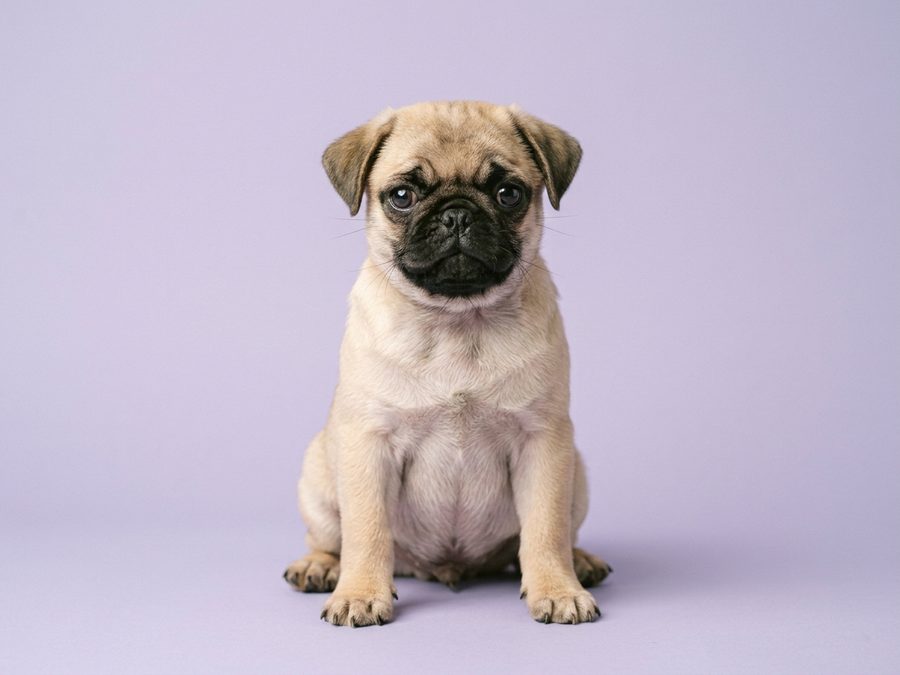
Available now
Pug puppy for sale Singapore: available now
No Pug is listed here this week, and the last litter has gone home. Gaps are normal rather than a sign that something is wrong.
- Tell us the colour and sex you are after and we will send photos when the next litter arrives.
- Meanwhile, the puppies with us this week sits on one page.
With us this week, for an HDB flat
These are not Pugs and they are not a substitute for one. They are the breeds we have puppies of today that suit the same kind of home, counted from the same roster the availability page renders.
- What a Cavapoo is like8 puppies with usSmall, HDB-approved
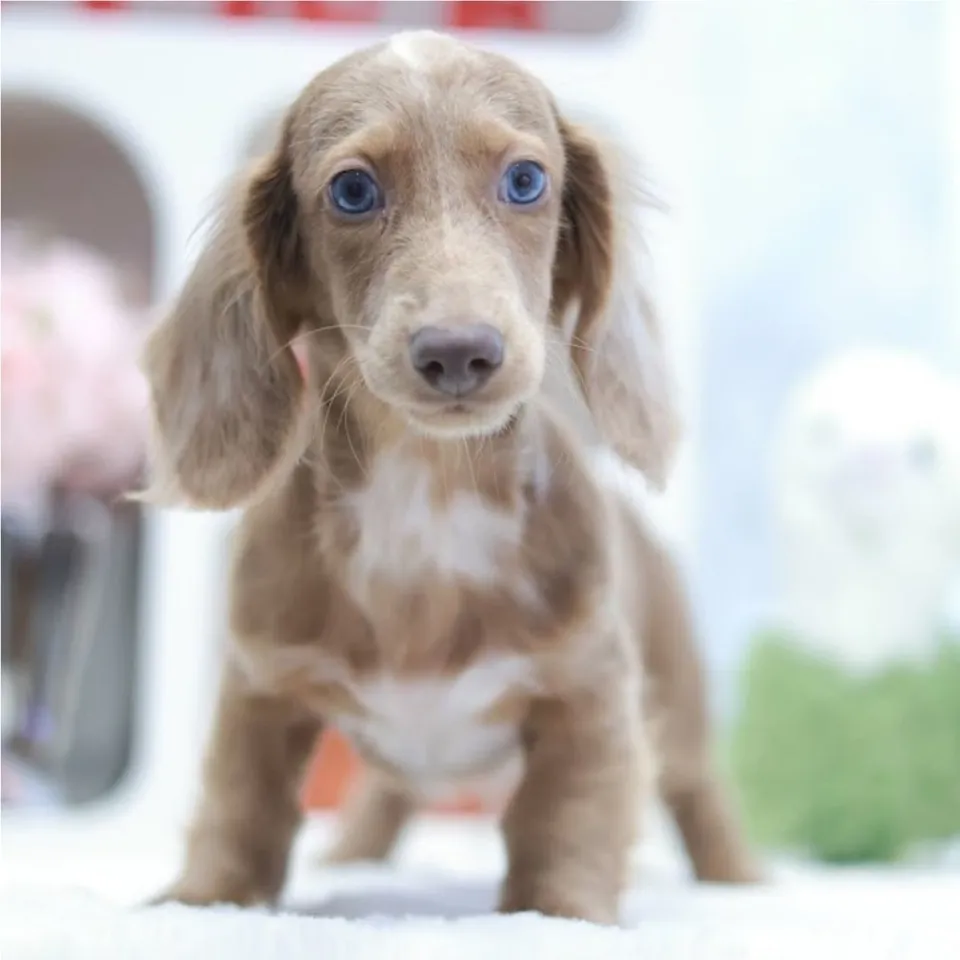
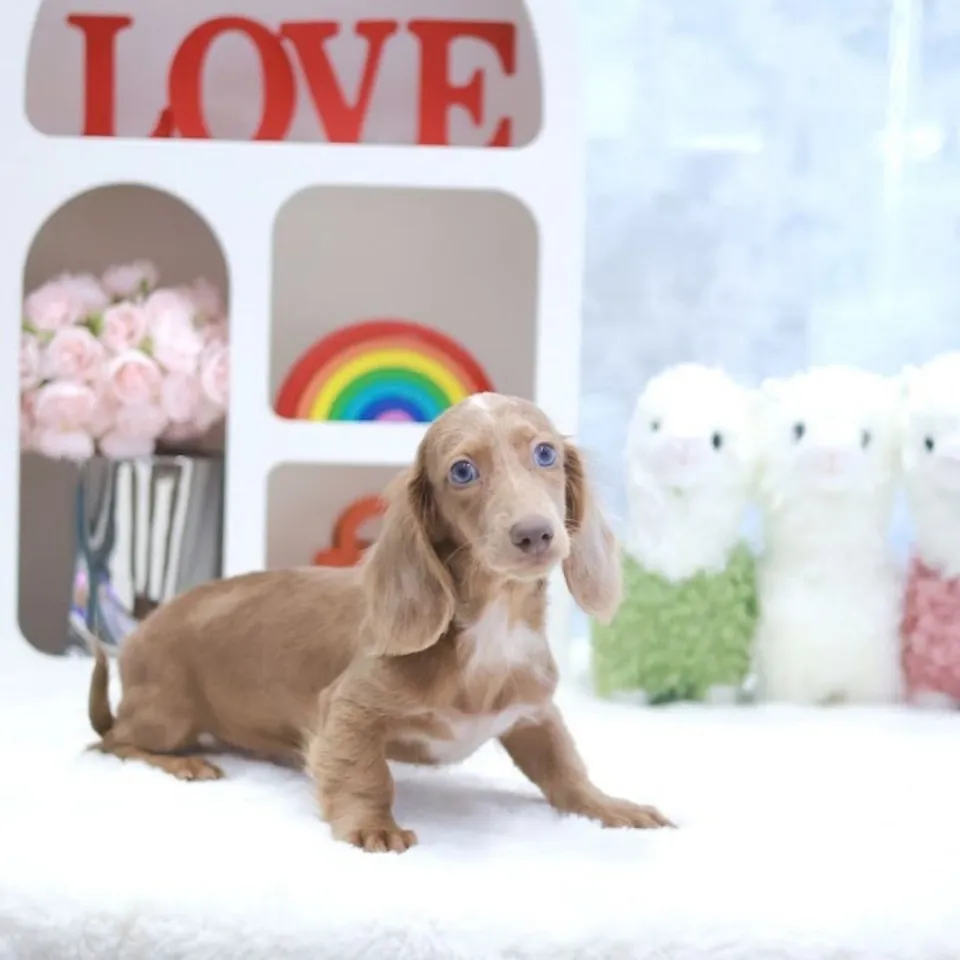
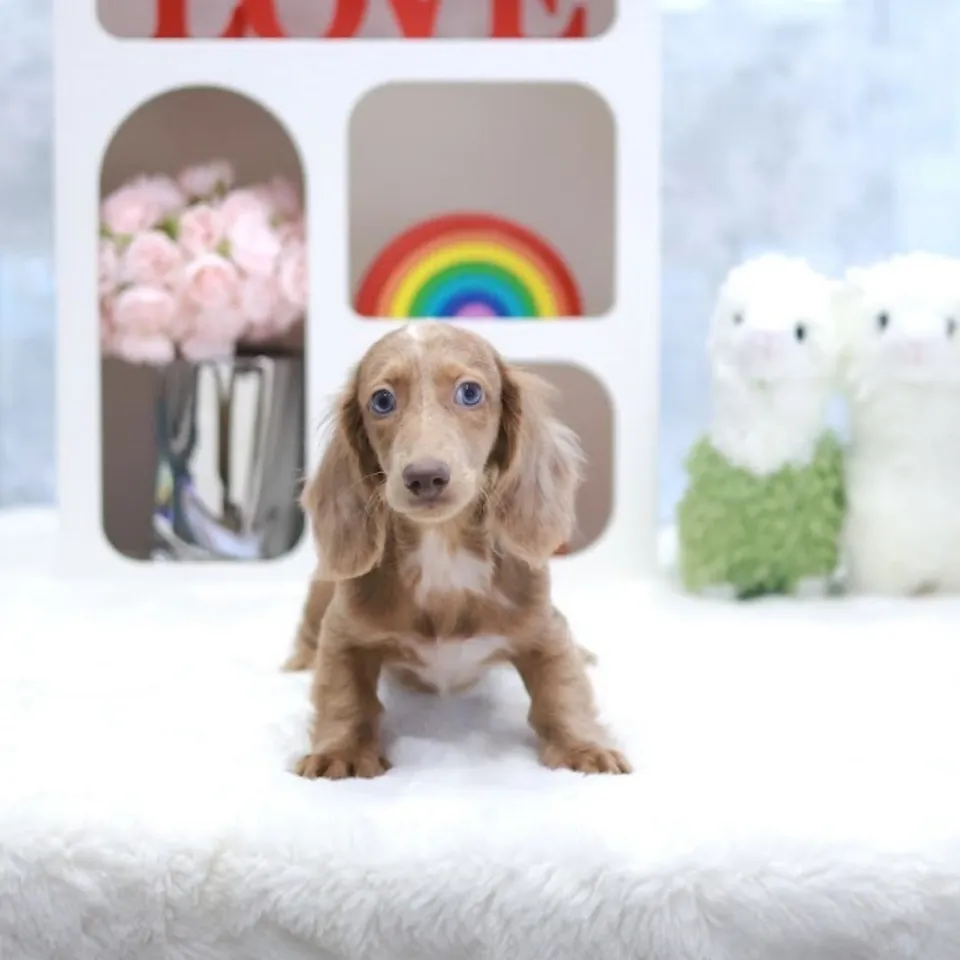
- Dachshund guide and prices7 puppies with usSmall, HDB-approved
- The Poochon, in full7 puppies with usSmall, HDB-approved
The puppies that come closest
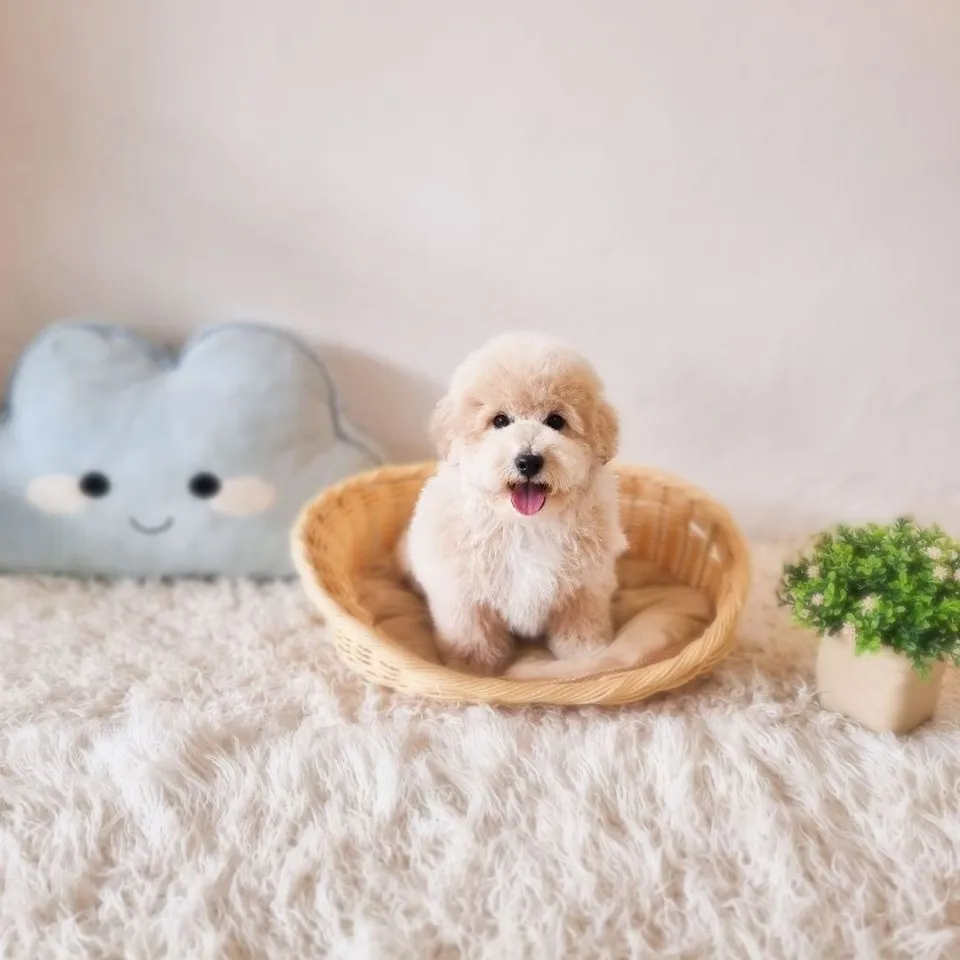
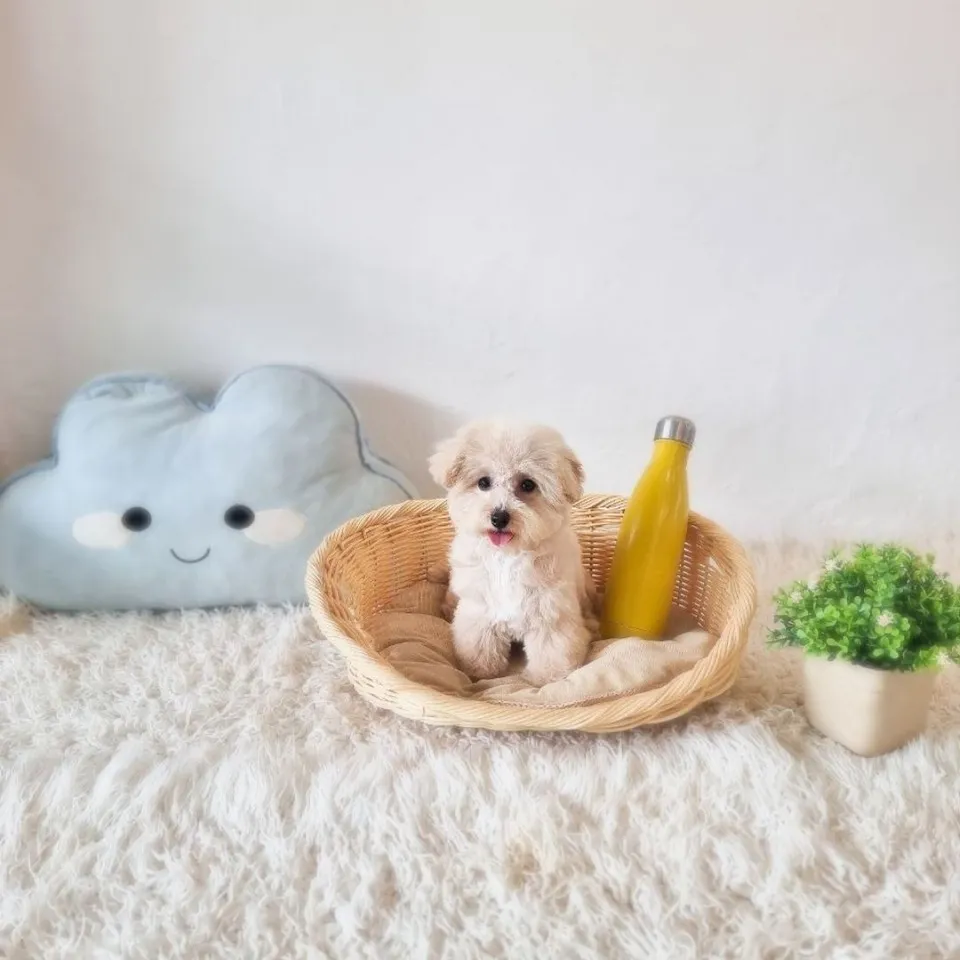
Real puppies at the farm today, photographed and priced, from the breeds above. Message us about one and we will send video the same day.
Available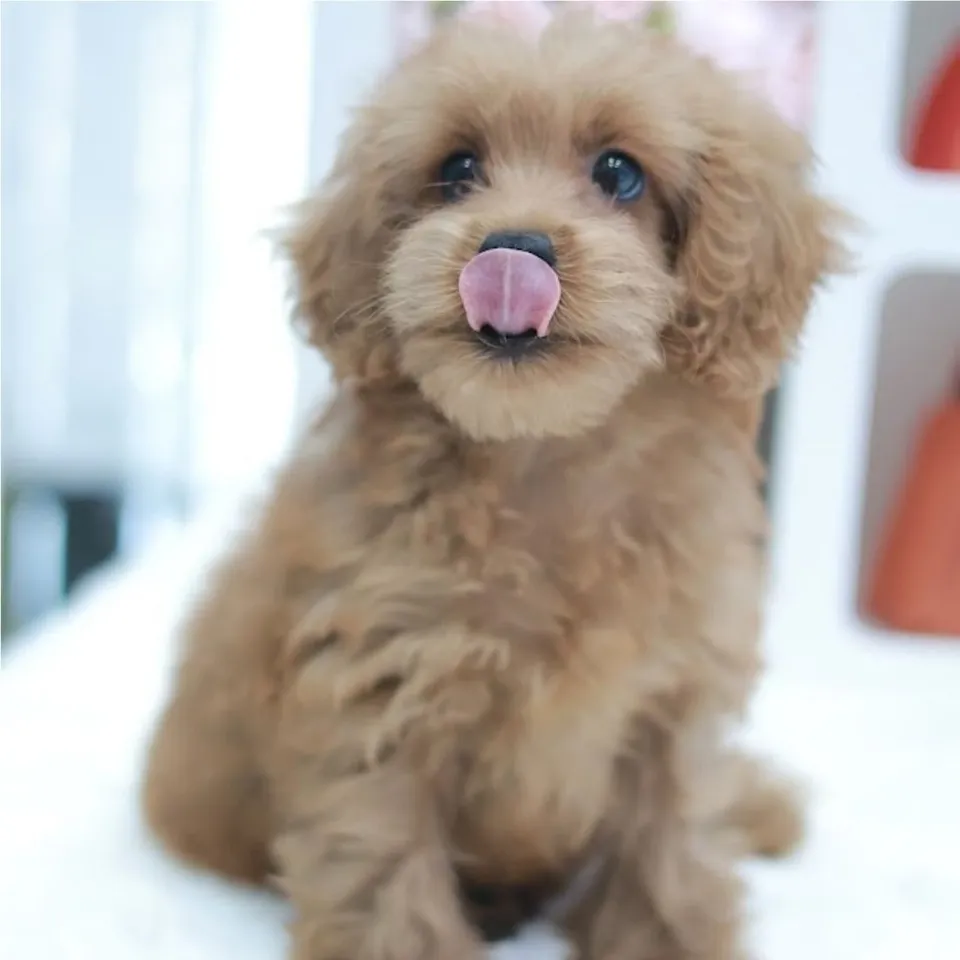
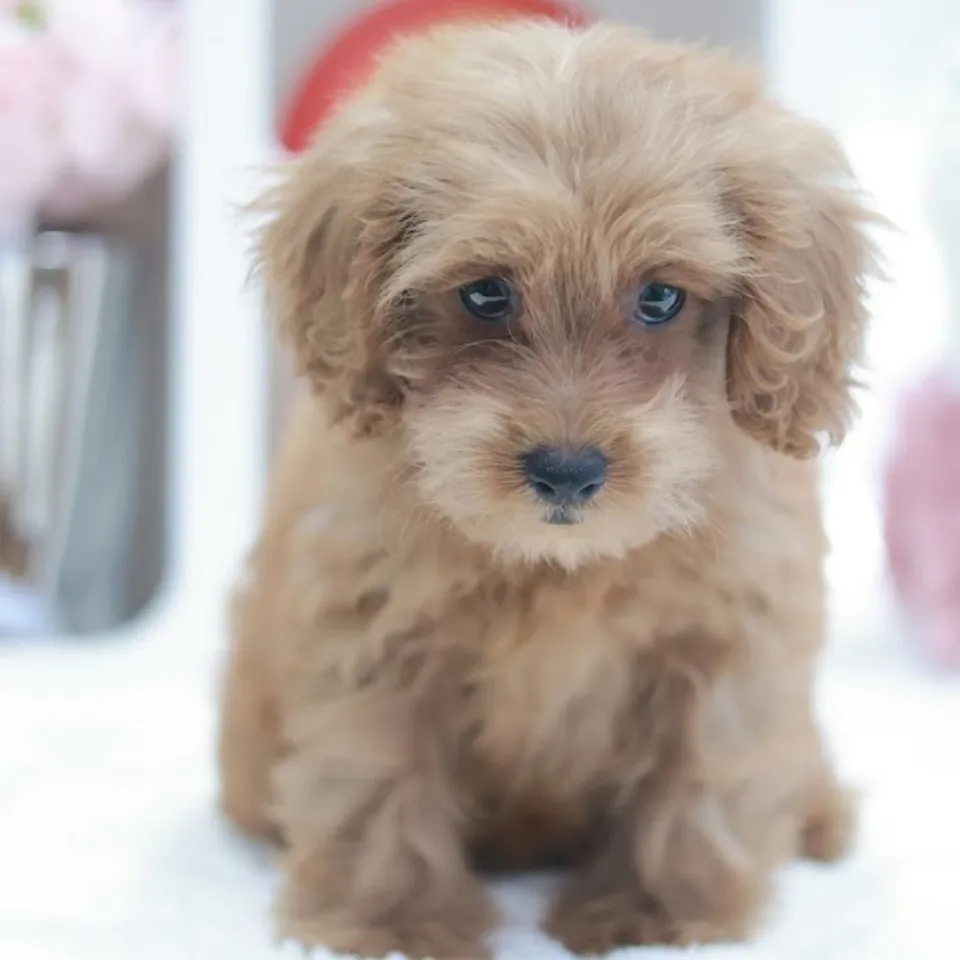
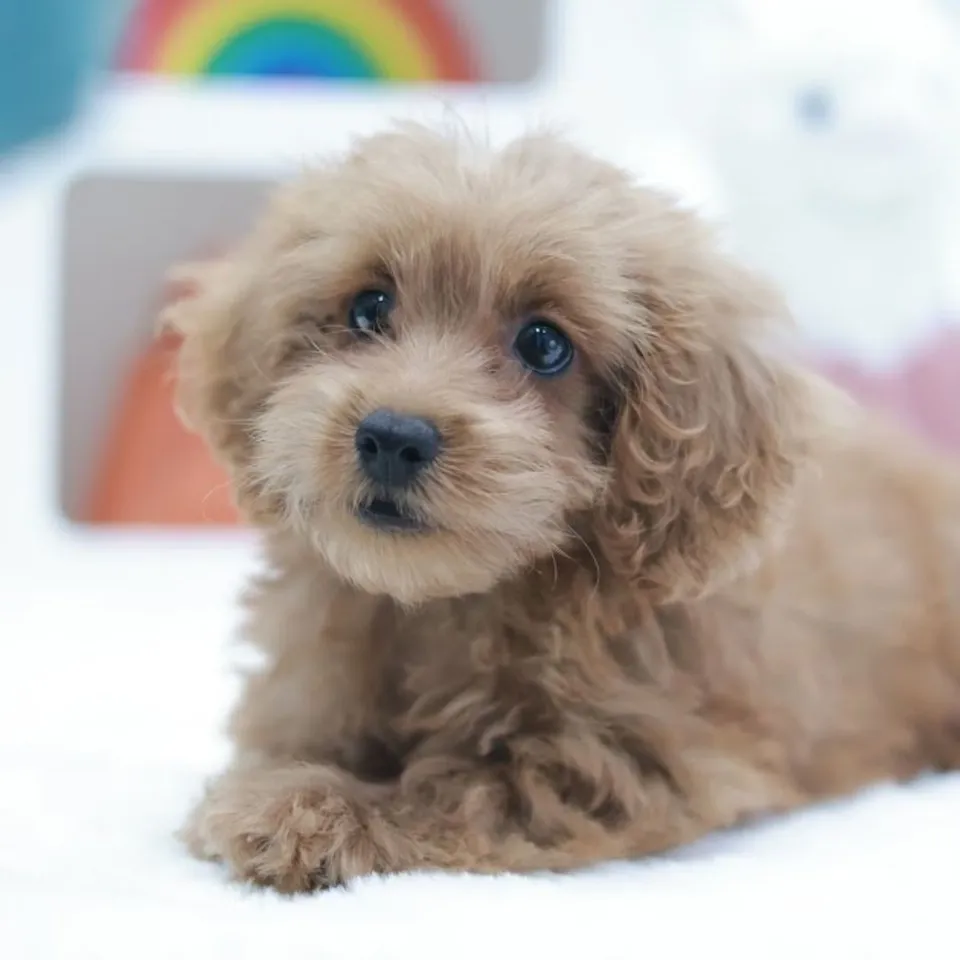
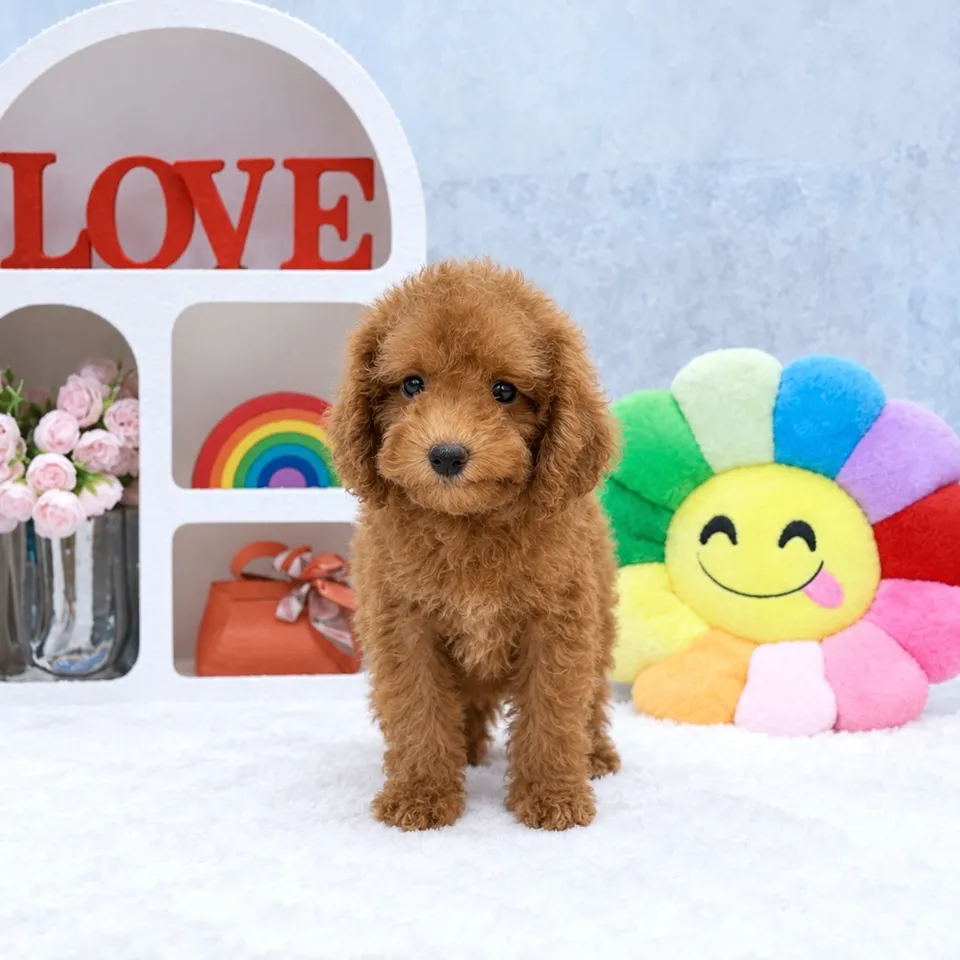 Available
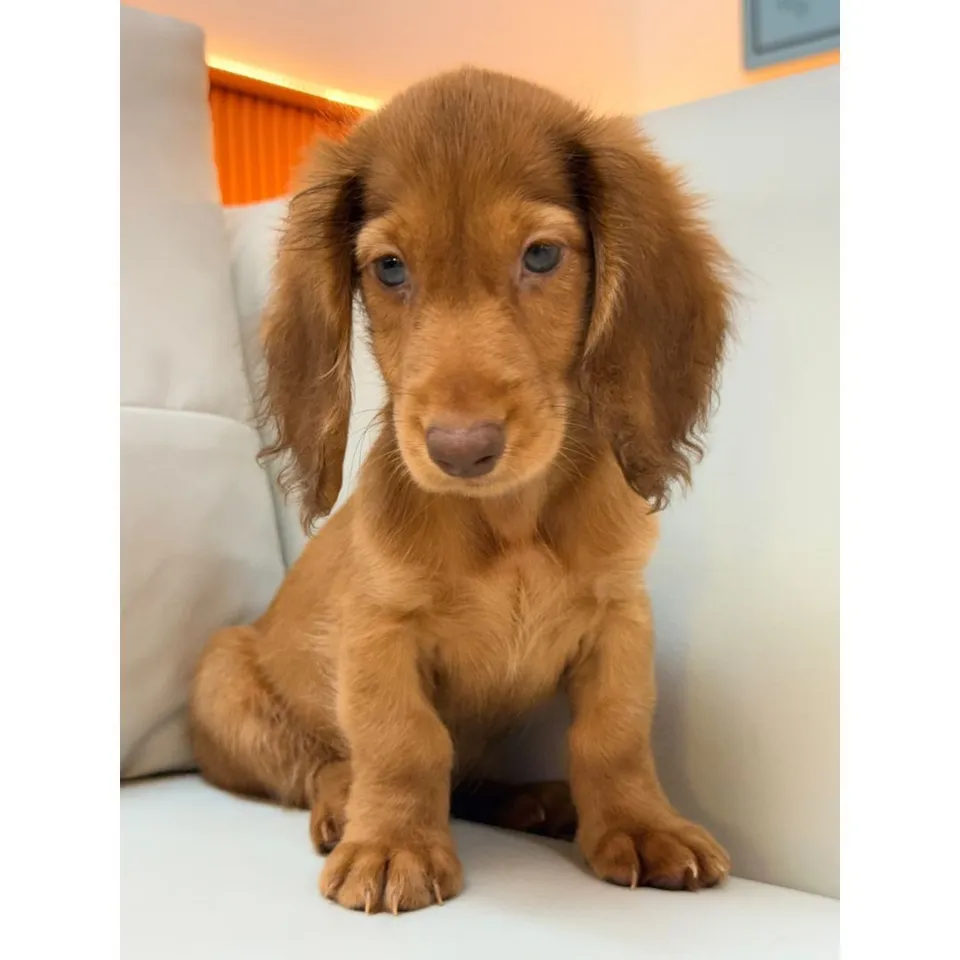
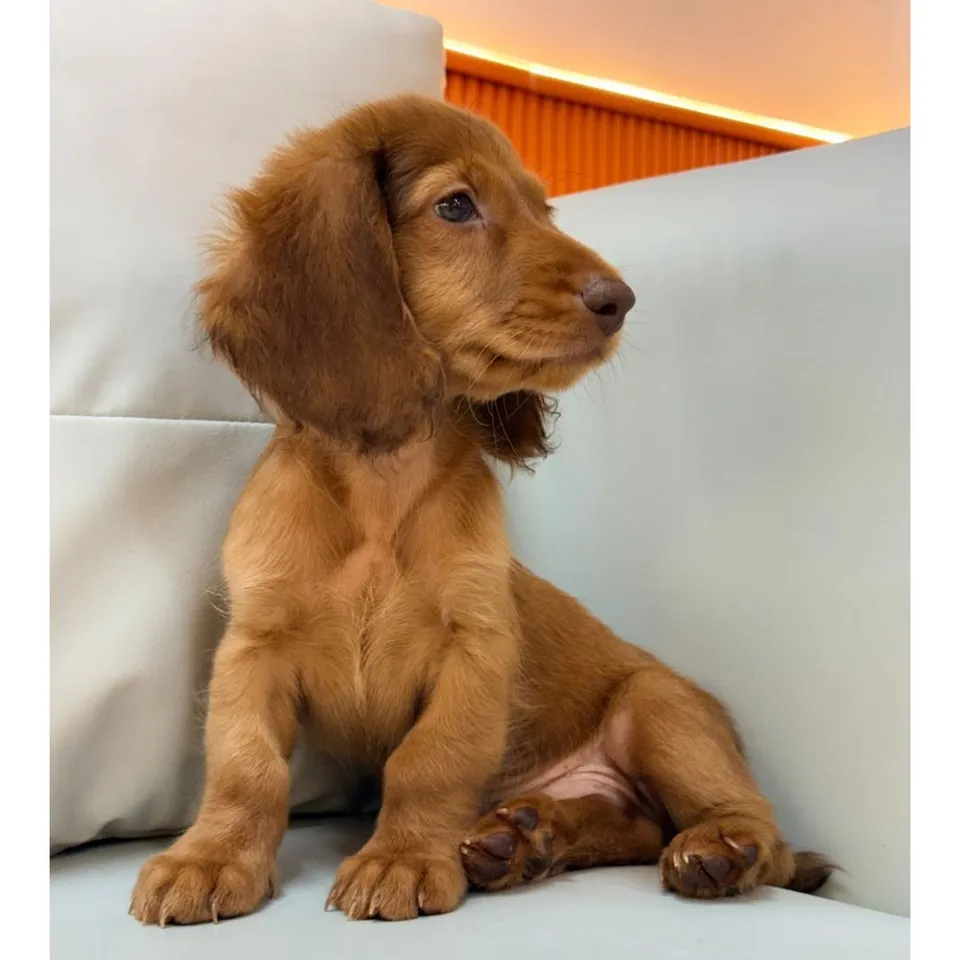
Tian Tian
Red Cavapoo puppy
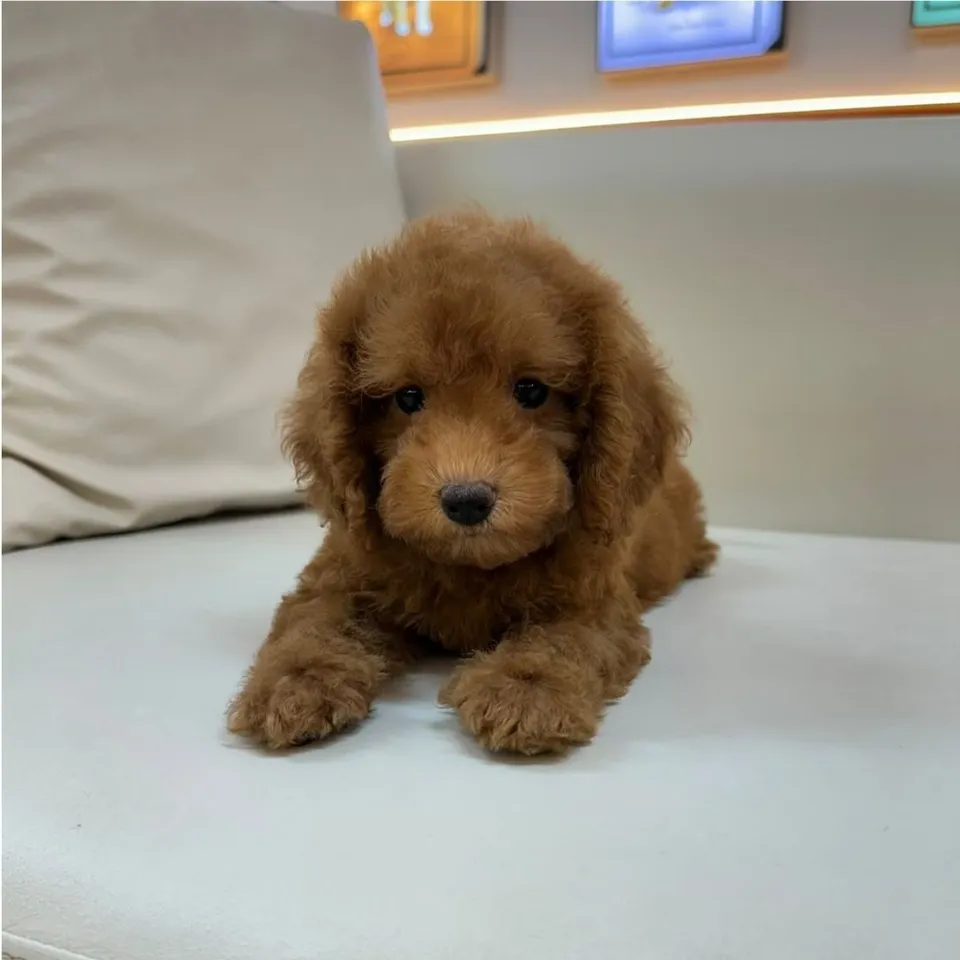
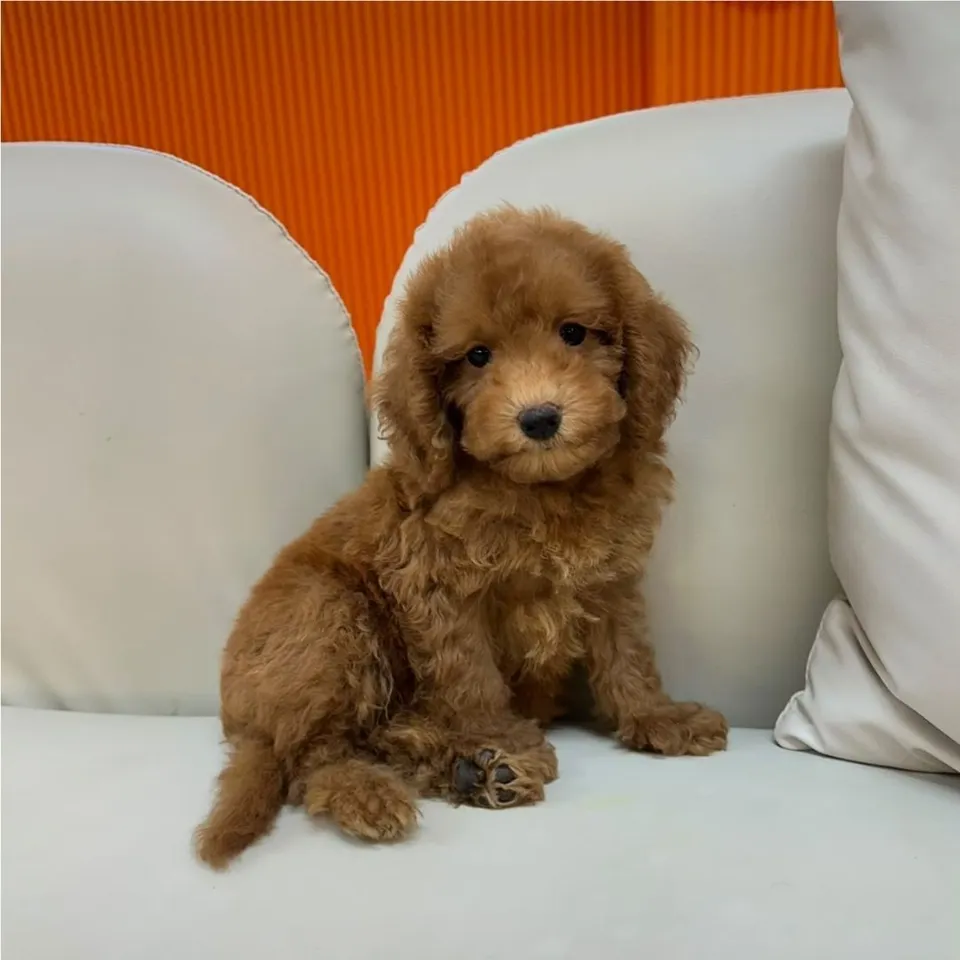
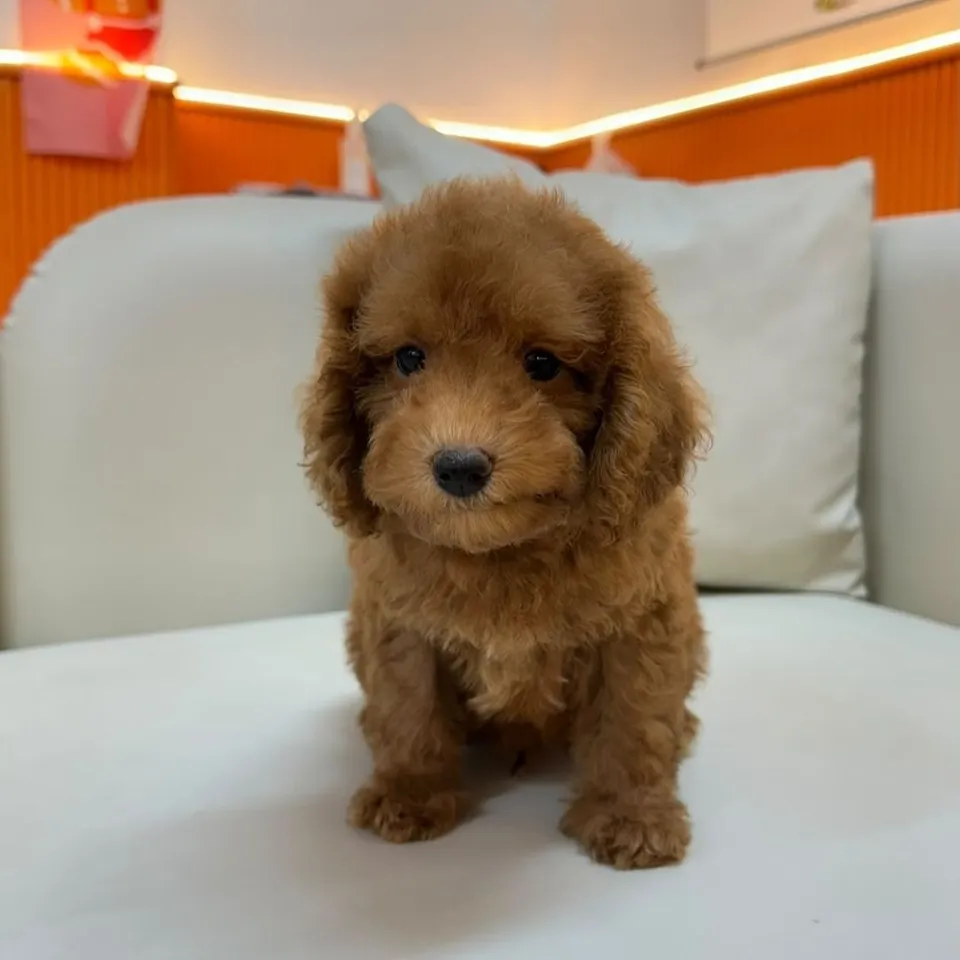
Male3 monthsHDB approved
$3,888
Ask about Tian TianRead Tian Tian's listing in full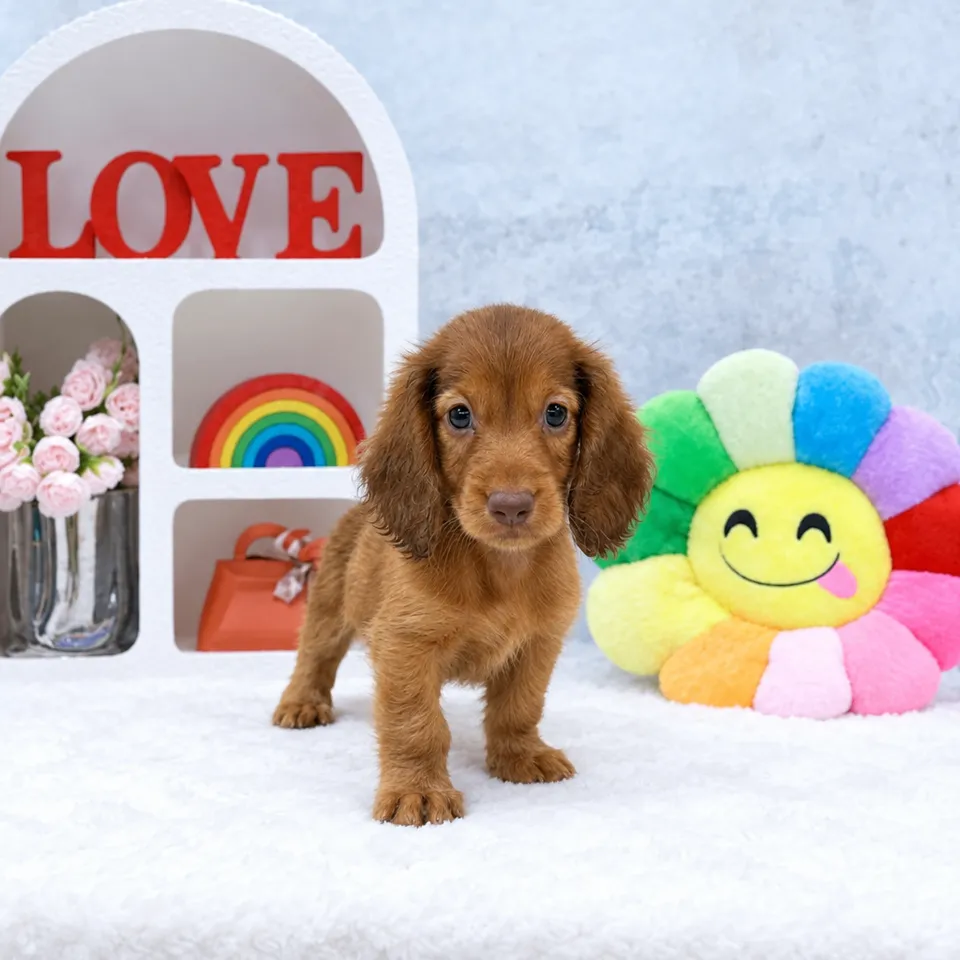 Available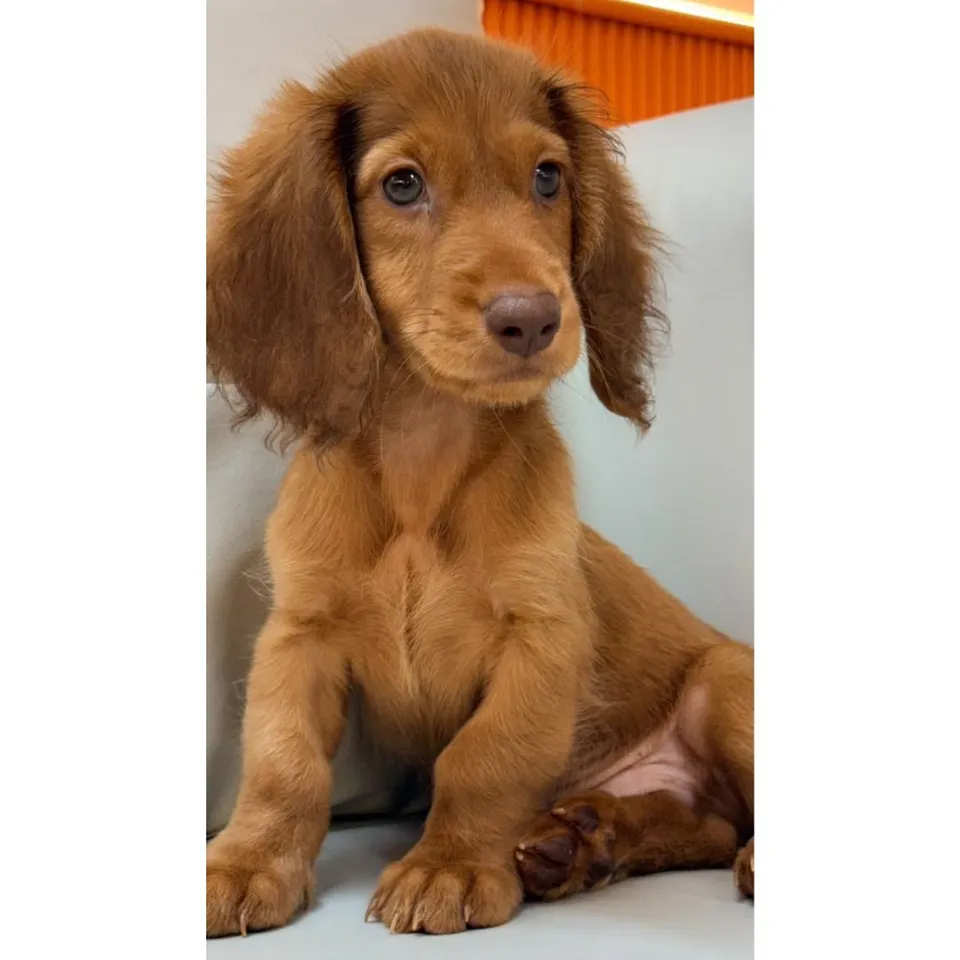
 Available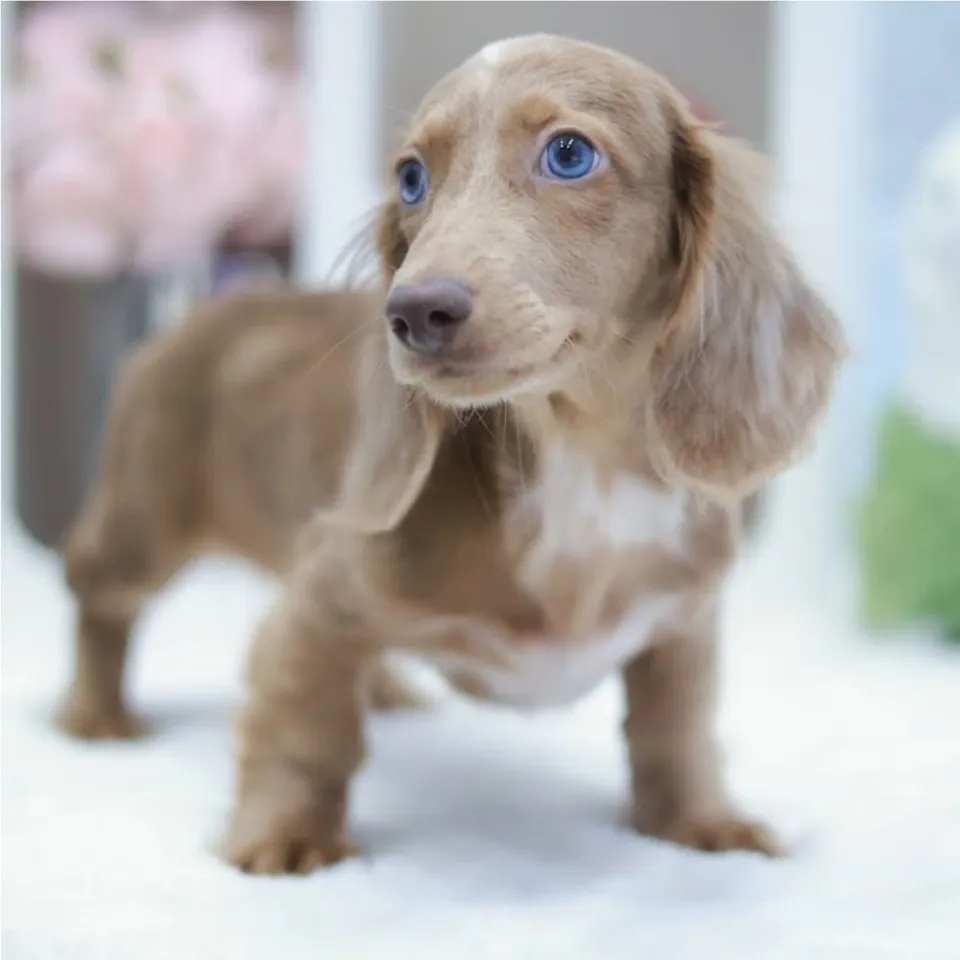
 Available
 Available
What a Pug looks like
Nine illustrations of the breed: the coat colours a Pug comes in, the size it grows to, and the coat between grooming appointments. These are drawings of the breed, not photographs of puppies for sale. Every puppy we really have is photographed and listed on the availability page.
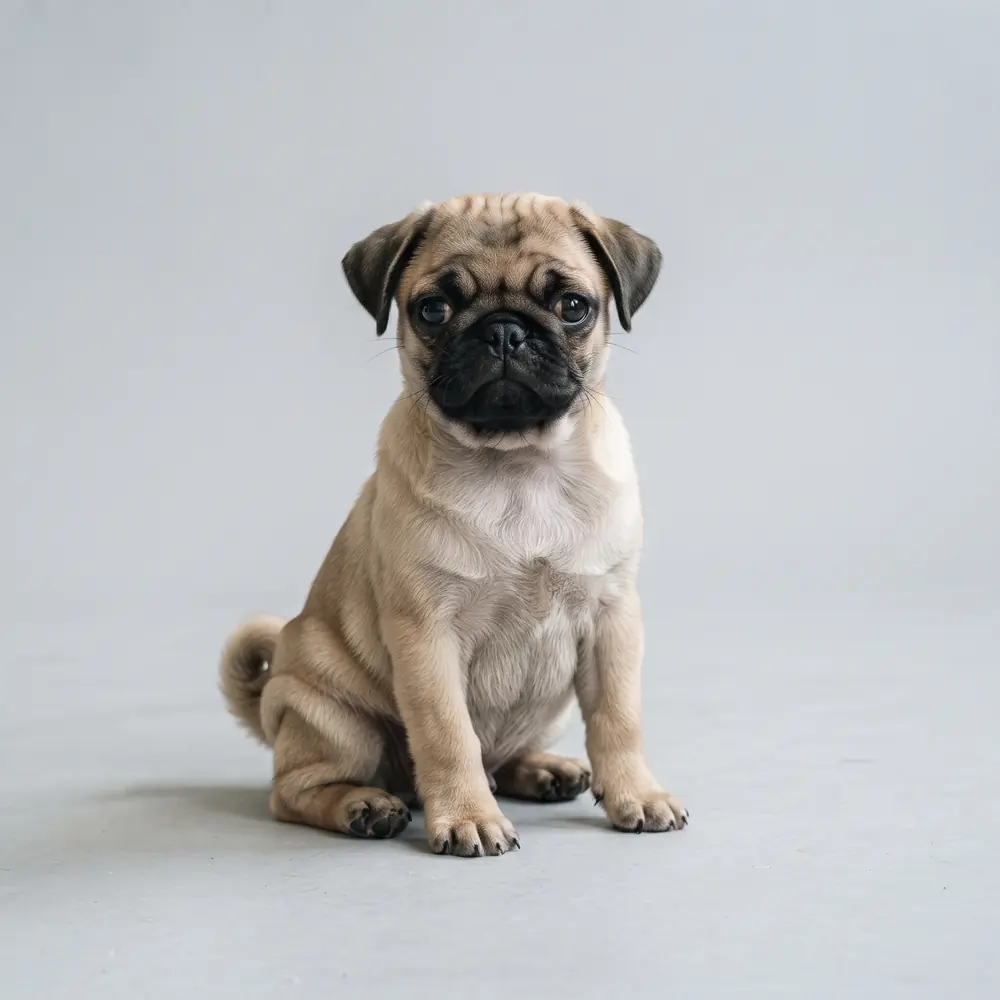
Fawn coat Ask about similar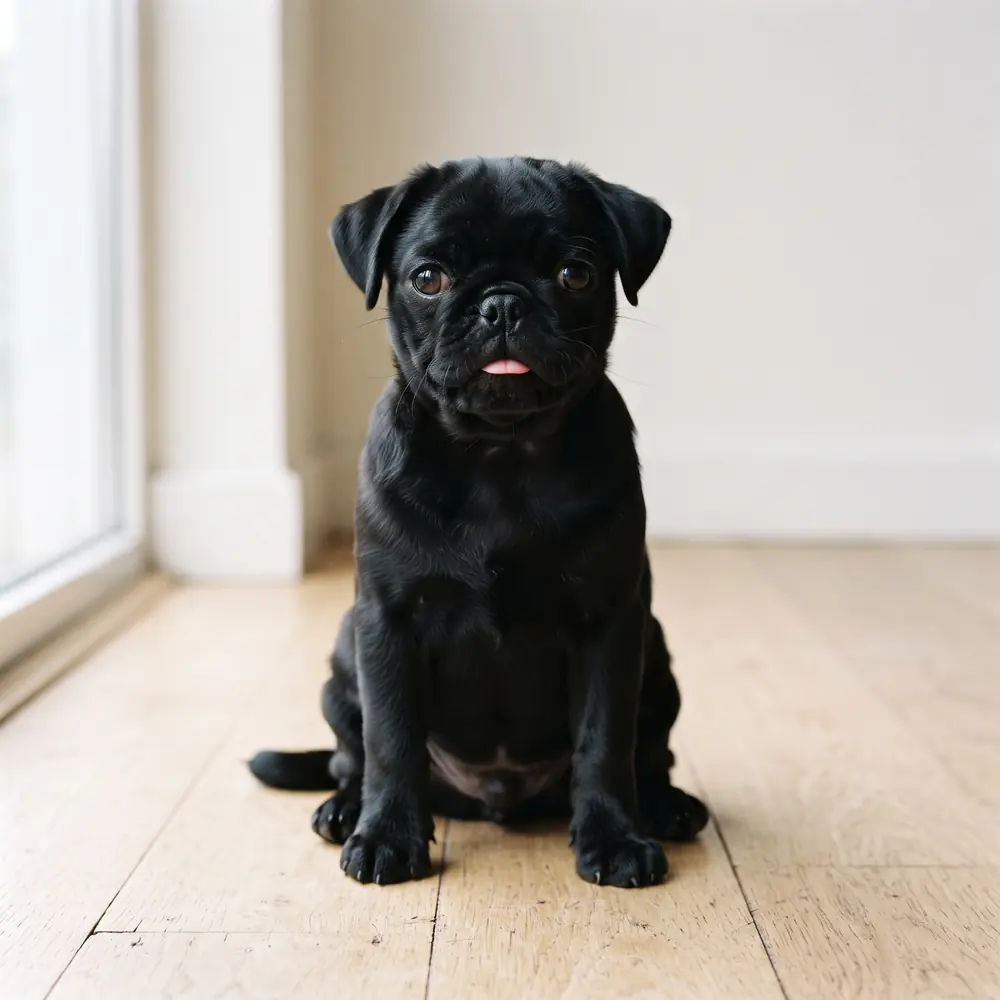
Black coat Ask about similar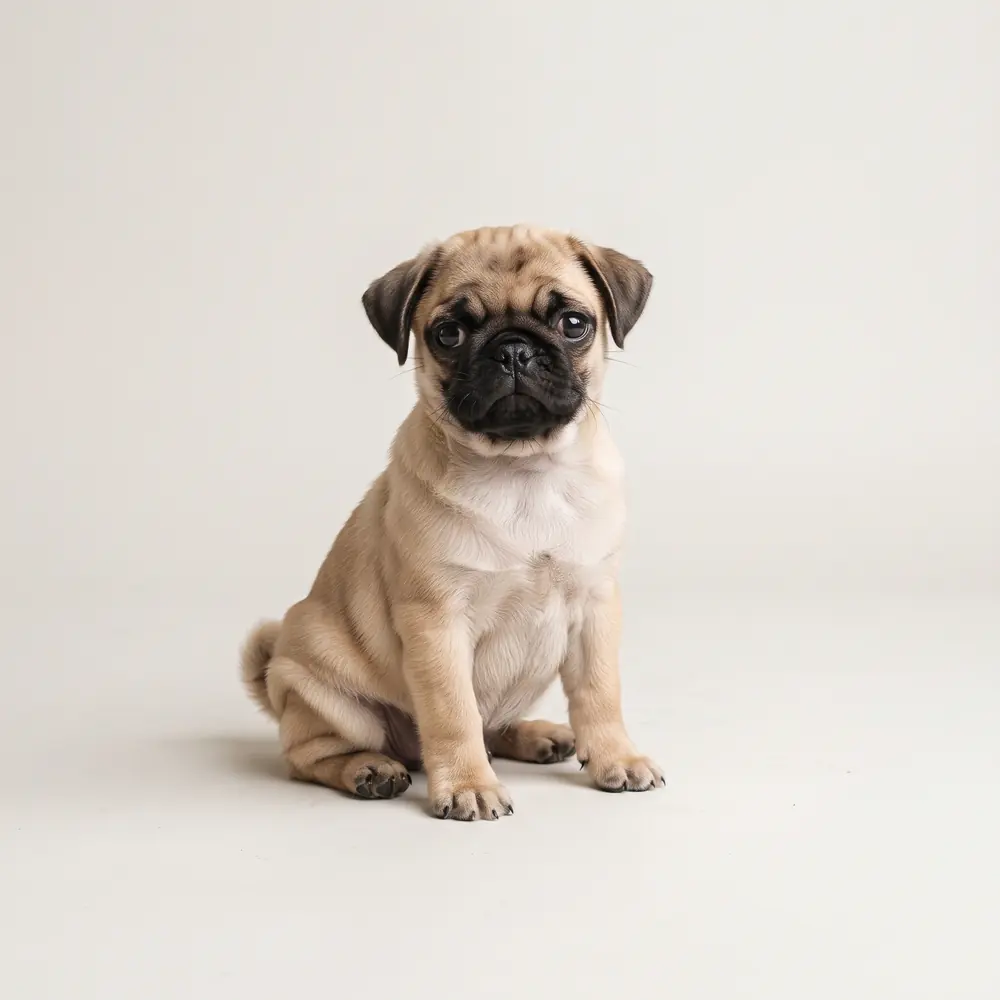
Apricot Fawn coat Ask about similar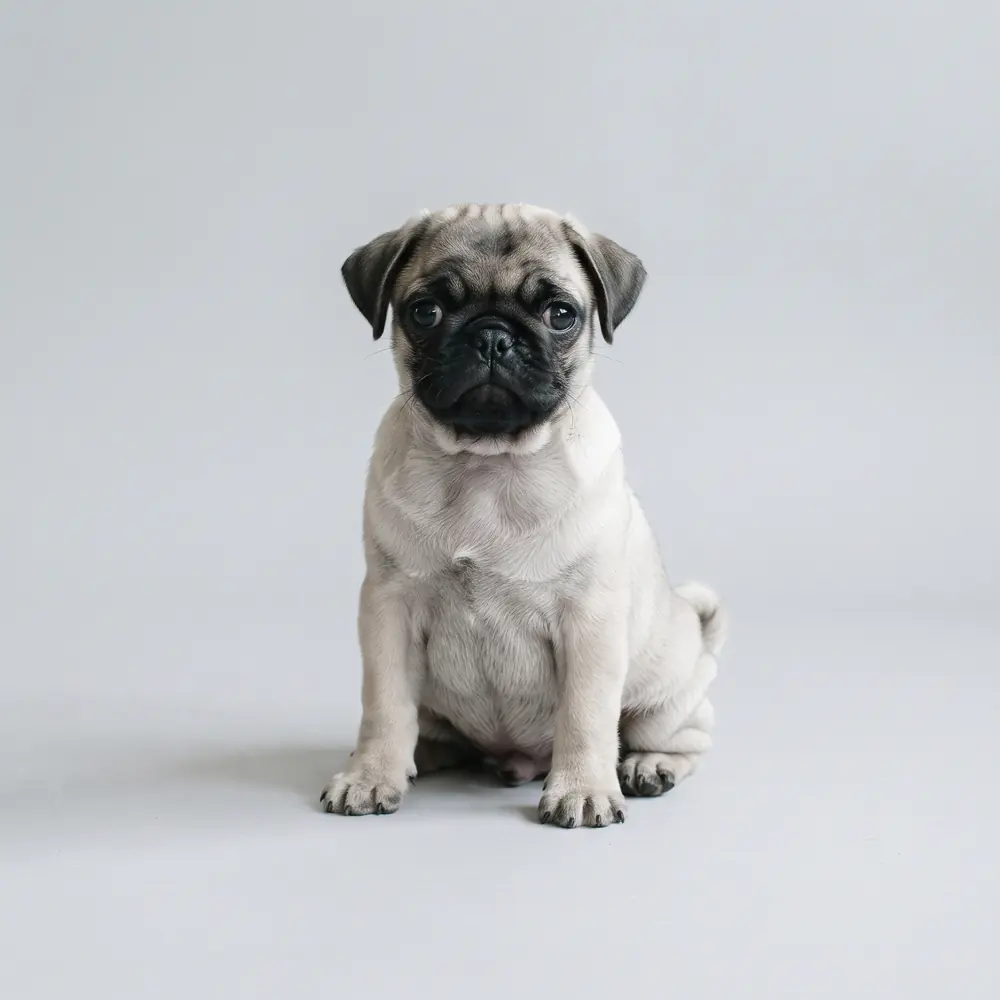
Silver Fawn coat Ask about similar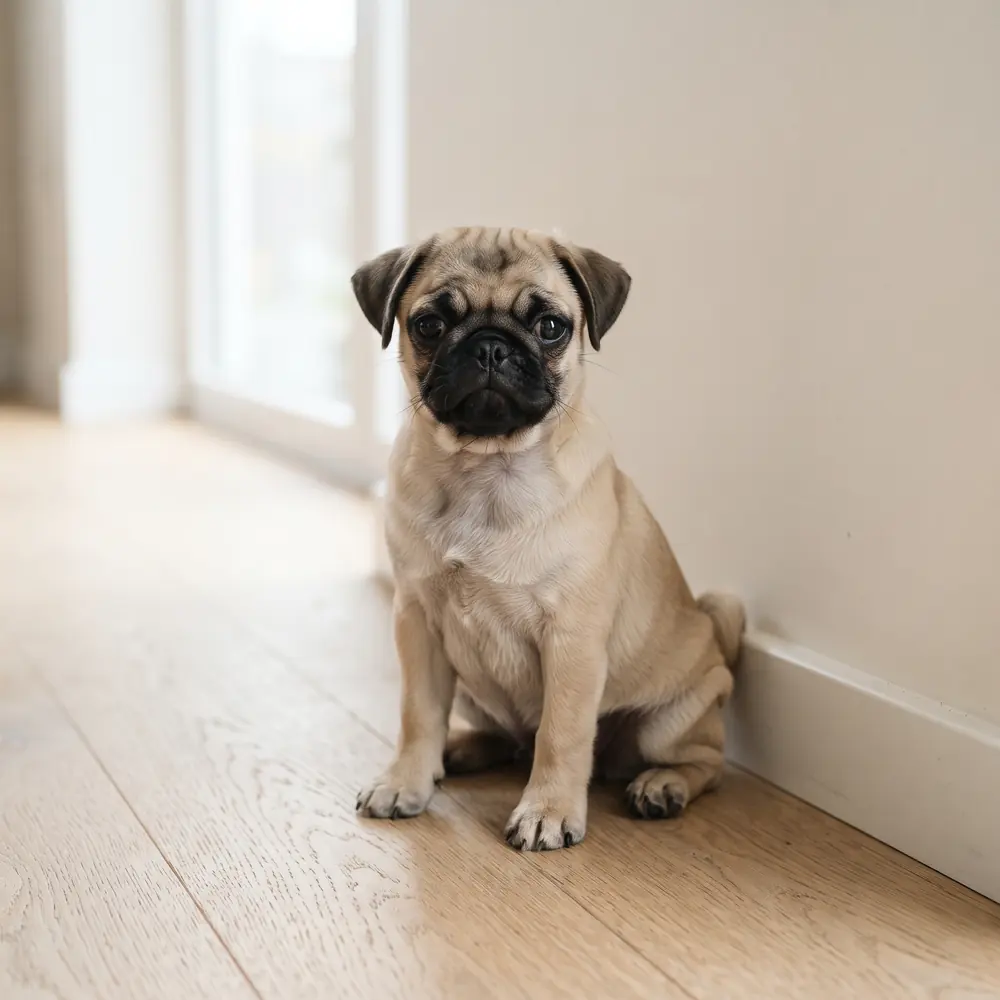
Fawn coat Ask about similar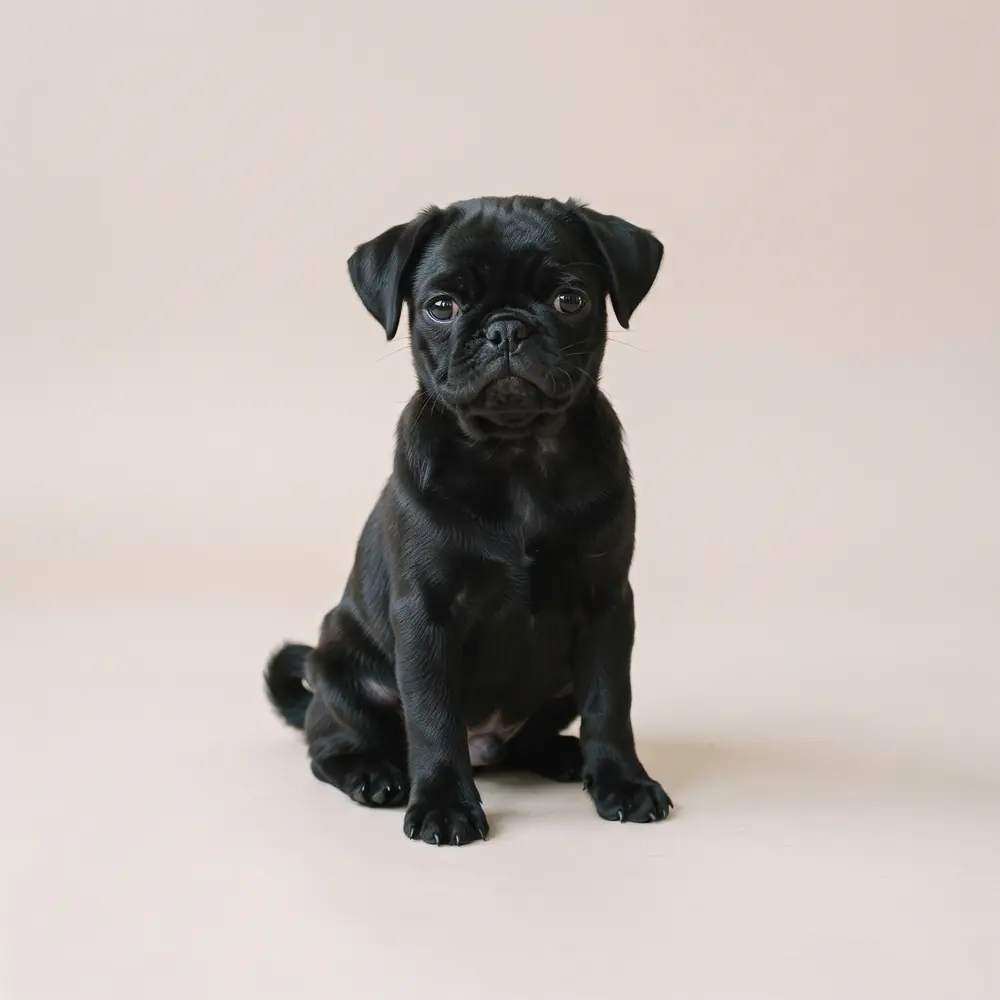
Black coat Ask about similar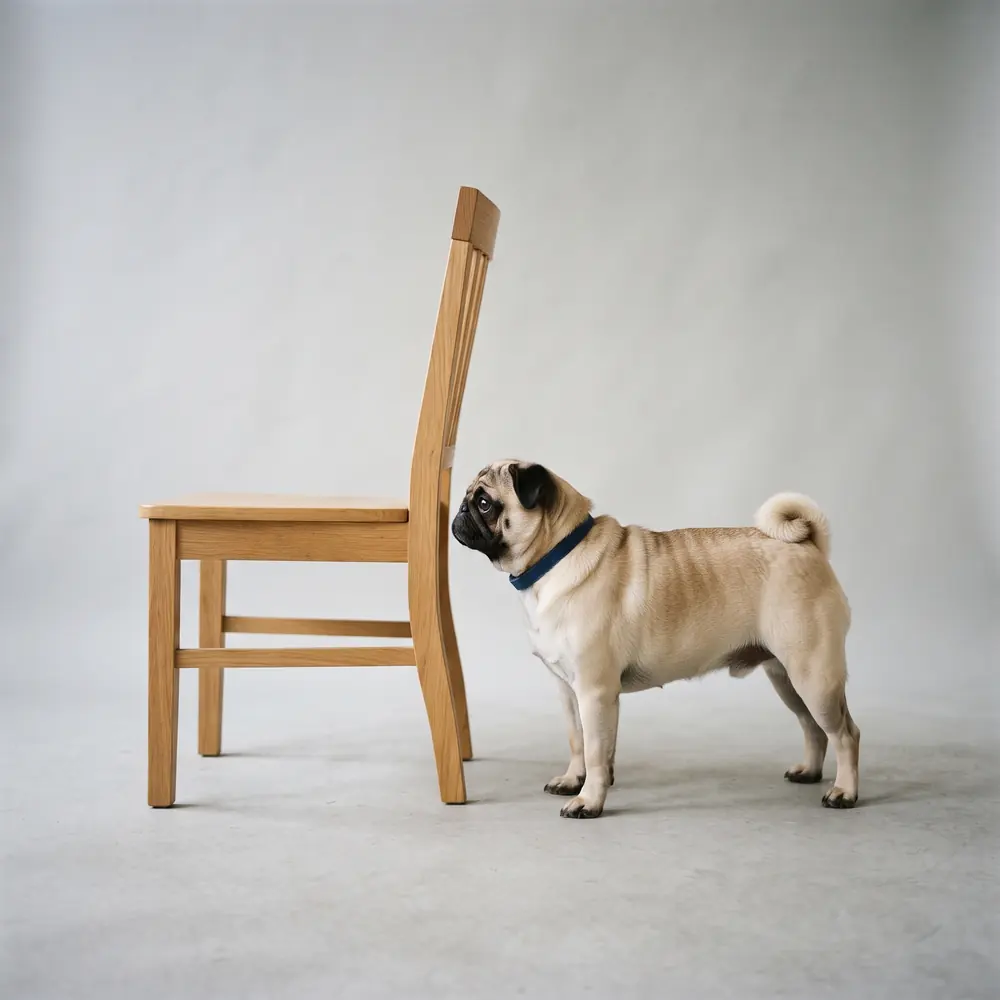
Grown, about 6–9 kg Ask about similar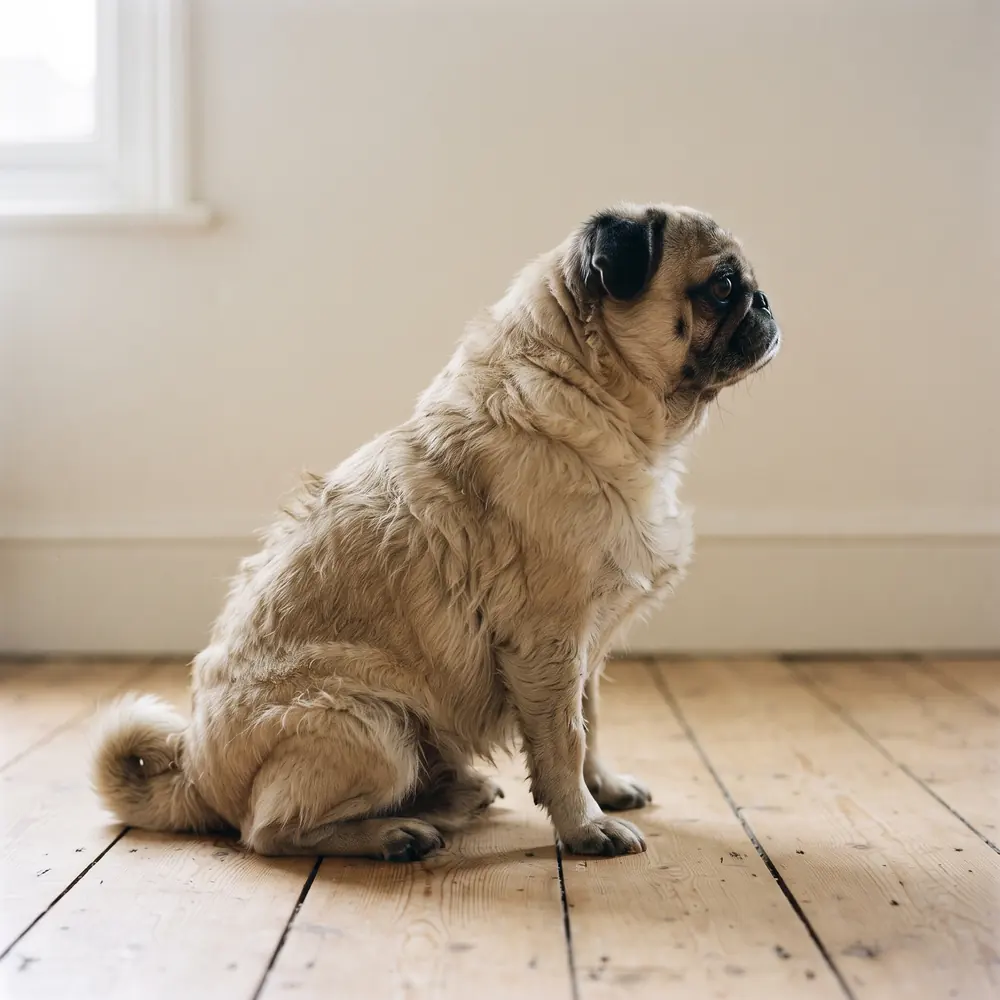
The coat between grooms Ask about similar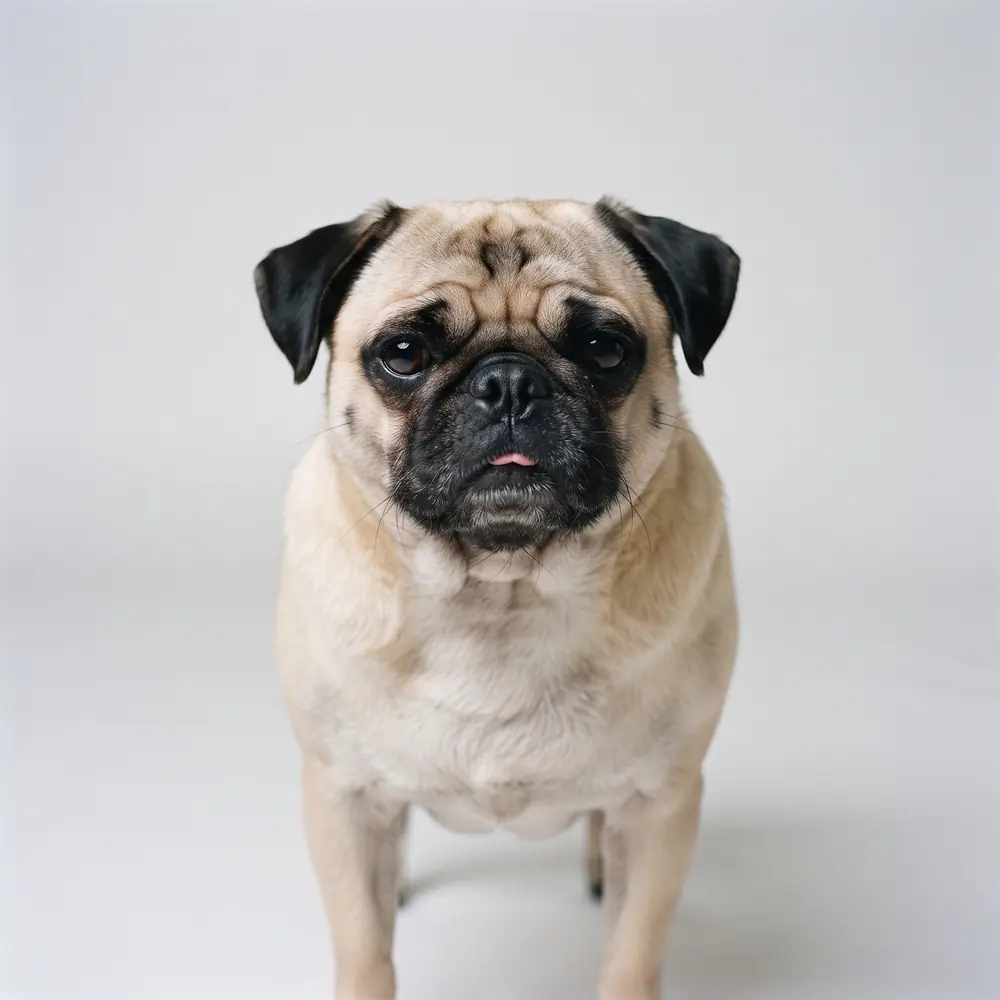
Head, ears and muzzle up close Ask about similar
The three facts that decide this breed for a Singapore buyer
Price: $4,588–$5,288
Published per breed before you enquire. Fawn and black sit in the same band, and there is no teacup version at any price.
Housing: HDB-approved
On whether HDB approves a Pug at 6–9 kg, and the only flat-faced breed here that is.
Heat: not optional
Approval is about housing, not about breathing. A shortened airway on the equator is a daily responsibility whatever the rules allow.
How much does a Pug cost in Singapore?
A Pug puppy costs $4,588–$5,288 from an AVS-licensed seller in Singapore. That price includes vaccinations to date, deworming, a vet health check, a microchip, health certification and ancestry records. Age, sex and litter move a puppy inside the band, and coat colour does not.
What a Pug puppy price includes
The Pug price in Singapore is published here before you enquire, and every Pug for sale on this site is a dog at the farm rather than a photograph. Our puppy prices sit on the page rather than behind an enquiry form. Six things travel with the puppy, and each is a document or a procedure rather than a promise.
- Vaccinations to date, in the booklet that goes home with the puppy.
- Deworming, at every vet visit through the schedule.
- A vet health check before the puppy is cleared to travel.
- A microchip, implanted and registered.
- Health certification and ancestry records, signed and dated.
- Kennel club registration where the litter qualifies.
Pricing, published
$4,588–$5,288
Published price for this breed (SGD).
- Vet health check & vaccinations to date
- Deworming (done with every vaccination visit)
- Health certification & ancestry records
- Microchipped before homecoming
- Door-to-door delivery available
Where a Pug’s yearly cost actually goes
What a Pug costs to keep, every month
| Line | Typical cost | What moves it |
|---|---|---|
| Food | The low end of the $30 to $120 a month band | Measured. A Pug will eat anything and gains weight quietly |
| Grooming | Very low on the coat | The wrinkle and the ears are daily and free; the coat needs a weekly brush |
| Air conditioning | The line nobody budgets for | How much of the day the dog needs a cool room |
| Vet | Budget yearly, plus the gland job when it comes up | Airway, eyes, skin and glands are the four lines |
| AVS dog licence | $15 a year sterilised, $90 if not | Duration and sterilisation status, less a 10% online rebate |
Our price hub publishes what a Pug costs here to buy and to keep, breed by breed.
The only flat-faced breed a flat allows
Among the breeds on this site, the Pug is the only brachycephalic one HDB's approved list carries. Both bulldogs are absent from it. For a flat-dwelling buyer who wants this face, the Pug is the answer and the others are not available.
| Breed | HDB flat | Adult weight | Typical range |
|---|---|---|---|
| Pug | Yes, approved | 6–9 kg | $4,588–$5,288 |
| French Bulldog | No | 8–13 kg | $6,800–$8,800 |
| British Bulldog | No | 18–25 kg | $6,988–$9,988 |
Approval is about housing, not about breathing. Being allowed in a flat says nothing about how this breed copes with a Singapore afternoon, and the next sections say what does.
We explain what a shortened airway actually is on the French Bulldog page rather than repeating it here. Read what a shortened airway actually is if you have not met the term before, and then come back for what it means day to day in a flat.
Why do Pugs smell fishy?
Almost always the anal glands, and almost nobody says so. It is the least glamorous thing about getting a Pug and the first thing new owners search for. They are two small scent sacs either side of the anus that a dog normally empties when it passes a stool, and when they do not empty the smell is distinctly fishy.
Four places a Pug smell comes from, and what fixes each
- What you might also see: scooting along the floor, or licking at the area.
- What fixes it: a vet or a groomer expressing the glands. This is not a job to attempt at home.
- What does not fix it: a bath, a scented spray, or a different shampoo.
- If it keeps returning: that is a conversation with your vet rather than a shopping trip.
How often should a Pug be bathed?
Less often than most people assume. Roughly monthly suits most Pugs, and bathing more than that tends to strip the skin and make things worse rather than better in this humidity.
The daily list matters far more than the bath schedule, and it takes about a minute: the nose wrinkle wiped and dried, a look at the eyes, and the dog dried properly to the skin after any bath or swim.
Do Pugs smell a lot?
A clean Pug does not. Pug puppies for sale here go home with the routine written down, and all four sources above are either a short daily habit or one appointment, and a household that keeps up with them has a dog that smells of nothing in particular.
A Pug that still smells when all four are being managed needs a vet rather than another bath. Persistent odour is usually skin or ears telling you something.
The heat rule, and why this page states it plainly
This page gets read by people who live in flats, which means its readers are the ones for whom the Pug is the only flat-faced option. That is exactly why the heat rule goes here in full rather than in a care footnote.
A shortened muzzle makes panting less effective, and panting is how a dog sheds heat. In a country with no cool season that is a daily management job.
- A cool room the dog can use: equipment rather than an occasional treat.
- Walks before sunrise and after sunset, kept short, with the pavement checked by hand.
- No midday anything: not a short walk, not a lift-lobby wait, and never a parked car.
- A harness, never a collar: pressure on the throat is the last thing this airway needs.
- Know heat stress: loud laboured breathing, thick drool, unsteadiness or bright red gums. Stop, cool the dog, call a vet.
The eyes: the injury this breed cannot afford
Prominent eyes sit in a shallow socket, which means the same knock that a normal-set eye shrugs off can be serious here. An eye displaced from its socket is called proptosis and it is a genuine emergency.
- If an eye is injured: a vet immediately, and do not touch or attempt to handle the eye.
- Everyday care: keep the face clear of anything sharp at eye height, and be careful with rough play from other dogs.
- Worth a vet: squinting, pawing at the face, cloudiness, or an eye that looks different from the other one.
- Grooming note: keep the wrinkle clean so nothing sits against the eye.
What is the leading cause of death in Pugs?
There is no single answer, and we publish no figure because we hold none we can stand behind. That is the honest position and it is more useful than a number nobody can check.
What is specific to this breed is the airway and the heat tolerance that comes with it. Neurological disease is also recognised in Pugs. Both are worth knowing about, and neither is a reason to avoid the breed if the household is set up properly.
What an owner actually controls is a short list: keep the dog lean, keep it cool, and go to a vet early rather than late. Those three do more for a Pug than any statistic would.
Is it difficult to raise a Pug?
Easy temperament, demanding maintenance, and that is the honest summary. Training is straightforward because this breed is food-motivated and genuinely wants to please, and the exercise needs are modest.
The daily list is short and non-negotiable: the wrinkle, the weight and the temperature. A household that does those three has an easy dog, and one that skips them has an expensive one.
Do Pugs bark a lot?
No, and that is a real advantage in a block with shared corridors. This is one of the quieter small breeds, and it makes a terrible watchdog because it is delighted to meet anyone.
The noise you will notice is the snoring and the snuffling. It is constant, it is endearing, and it is also a standing reminder of what the airway is doing.
What is the lifespan of a Pug?
12–15 years from our own breed data, published as the range it is rather than dressed up as an average. Weight and the airway are the two things that move it.
A lean Pug breathes measurably more easily than a heavy one, and that is the largest single lever an owner has over both the length and the comfort of those years.
Is Pug a lucky dog?
The breed was developed for the Chinese imperial court and has long been associated with good fortune, which is why this question comes up here far more than it does elsewhere.
It is a real piece of history and a nice one. We sell dogs rather than luck, and what decides whether a Pug ownership goes well is on the rest of this page.
Teacup Pugs and the under $500 searches
Both are related searches on this breed, and both get the same answer the rest of this site gives. There is no teacup Pug puppy at any price, and no puppy for sale Singapore wide at a few hundred dollars from anyone licensed: the breed is already small, and the label is attached to undersized individuals.
No licensed seller in Singapore sells a puppy at a few hundred dollars either. A price far below the published band means the licence, the vaccination schedule or the paperwork is missing, and usually more than one of them.
The honest low-cost route is adoption, which is covered further down. It is a real answer and it is not the one a seller is supposed to give you.
Health: what to ask about before you pay
Pugs live 12–15 years. Four things are worth asking about, and the fourth multiplies the first.
Airway
Ask how the parents breathe after exertion, and whether either has had corrective surgery. Noisy breathing at rest is information rather than character.
Eyes
Prominent eyes in a shallow socket. Ask what the parents were examined for, and treat any eye injury as an emergency.
Skin folds
Skin fold dermatitis starts in the nose wrinkle. Moisture trapped in a fold in this humidity is how an infection begins, and a daily wipe is the whole prevention.
Weight
Canine obesity makes every breathing problem worse, and this breed gains weight quietly. It is the line entirely in your hands.
What a good seller answers without hesitating
- What is your AVS licence number, and may I look it up?
- How do the parents breathe after a walk?
- Has either parent had airway or eye surgery?
- May I meet the puppy in person, and where is it now?
- May I see the vaccination booklet and the ancestry records?
What comes with every Pug puppy
Vaccinations to date
Core doses at weeks 6 and 8 before homecoming, recorded in the booklet.
Deworming
Done at every vet visit through the schedule.
Vet health check
A licensed vet clears the puppy before it travels.
Microchip
Implanted and registered, and tied to your AVS dog licence.
Health certification
Written, signed and dated.
Ancestry records
Plus kennel club registration where the litter qualifies.
When your puppy comes home
The timeline is set by the vaccination schedule, not by us. Core vaccinations run at weeks 6, 8 and 12, with an optional dose at week 16, and deworming happens at every visit.
- Weeks 6 and 8: the first two core doses, at the farm.
- Around week 9: homecoming, a week after the second dose.
- Week 12, and optionally week 16: with you and your own vet.
- Year one onward: an annual booster.
The first month with a Pug
- Buy a harness, not a collar: before the first walk, for the airway.
- Start the wrinkle routine on day one: a minute a day, before there is anything to treat.
- Cool-hour habits immediately: easier to build than to retrofit.
- Measure the meals from the start: this is the breed where weight creeps quietly.
How to buy a Pug ethically in Singapore
- 1Check the licence. Pug Singapore breeders are licensed individually, so search the AVS public registry for the seller's number. Ours is BR25052, held by William Goh Pet Farm LLP.
- 2Ask about the parents’ breathing. It is the most useful health question in any flat-faced breed, and a good seller answers it without changing the subject.
- 3See the puppy in person. Viewing is by appointment, and it lets you hear an adult of the line breathe.
- 4Read the paperwork before you pay. Vaccination booklet, health certification and ancestry records.
Adoption, honestly
A Pug adoption Singapore puppy listing is rare, and adult dogs are not. Not every Pug puppy for sale Singapore searches turn up has to be a puppy at all.
Pugs come through rehoming as adults and often carrying too much weight, which is fixable, and with a breathing history you can hear for yourself, which a puppy cannot give you.
Who a Pug is not right for
- 1 Homes without reliable cooling. Being allowed in a flat is not the same as coping with one at 2pm.
- 2 Anyone wanting an active dog. This breed cannot exercise in the heat and does not want to in the cool.
- 3 Anyone who will not do the daily wipe. One minute, every day, for the life of the dog.
- 4 Anyone who cannot live with shedding. A short coat still sheds, and this one sheds a lot.
About the breed
An ancient Chinese breed kept by emperors, the Pug was bred purely as a lapdog and later became a favourite of European royalty.
The Pug dog you meet today is the same court companion, and the history explains all of it: affectionate, funny, undemanding about exercise and entirely uninterested in guarding anything. The face is the appeal and the responsibility in equal measure.
Pug compared with the breeds buyers weigh against it
The Pug is the only one of these four flat-faced breeds a flat allows, which usually decides it before anything else does.
| Breed | HDB flat | Airway | Energy | Typical range |
|---|---|---|---|---|
| Pug | Yes, approved | Brachycephalic | Low to medium | $4,588–$5,288 |
| French Bulldog | No | Brachycephalic | Low to medium | $6,800–$8,800 |
| British Bulldog | No | Brachycephalic, heavier build | Low | $6,988–$9,988 |
| Shih Tzu | Yes, approved | Brachycephalic, longer coat | Low to medium | $3,988–$5,288 |
Where the figures on this page come from
- AVS licence BR25052 and how to verify it: the NParks public registry of AVS-licensed pet breeders, checked 25 August 2026.
- The approved-breed answer that makes this the flat-dweller's flat-faced option: HDB's own pet rules, confirmed in a browser on 25 August 2026 (the host blocks automated requests).
- Puppy price range, adult weight and lifespan: this site's own breed data, reviewed 25 August 2026. The lifespan given is that published range and not an average from elsewhere.
- Airway, eyes, skin and weight: the breed health notes maintained on this site. No incidence figure appears for any of them, and the leading-cause-of-death section says plainly that we hold no figure.
- The anal gland answer: the same care notes. The page describes what the glands are and says the fix is a vet or groomer, and gives no at-home instruction, because that is not a job for an owner.
- Dog licence fees: the AVS licence fee page, read 2026-08-26. The published table these figures come from was headed "before 1 September 2026" and that date has now passed. AVS has scheduled a new fee table from 1 September 2026. Re-checked on the AVS fee page on 26 August 2026: the replacement had still not been published, and the live page still showed only the "before 1 September 2026" table, last updated 31 October 2025. Treat the figures as the last published schedule and check the AVS page before relying on them.
- Heat and buyer-check guidance: Retriever Care and Southend Dog Training, both quoted above with links to the source videos and used for the mechanism rather than as authorities on this breed.
Figures last checked 25 August 2026.
Pug questions, answered
How much does a Pug cost in Singapore?
A Pug puppy from an AVS-licensed seller in Singapore costs $4,588–$5,288. The price includes vaccinations to date, deworming at every visit, a vet health check, a microchip, health certification and ancestry records. Colour does not change it, and there is no teacup version to pay extra for.
Is a Pug HDB-approved?
Yes, and it is the only flat-faced breed on this site that is. The French Bulldog and the British Bulldog are not on HDB’s approved list; the Pug is. That makes it the option for a flat-dwelling buyer who wants this face, and it makes the heat rules on this page a requirement rather than a suggestion, because approval is about housing and not about breathing.
Why do Pugs smell fishy?
Almost always the anal glands. They are two small scent sacs either side of the anus that a dog normally empties when it passes a stool, and when they do not empty the smell is distinctly fishy. You may also see scooting or licking. A bath does not fix it; a vet or a groomer expressing the glands does. If the smell keeps coming back, that is a conversation with your vet rather than a shopping trip for shampoo.
Do pugs smell a lot?
A clean Pug does not. There are four places a smell comes from in this breed: the anal glands, the nose wrinkle, the ears and the skin folds. Three of those are a daily or weekly wipe and a proper dry, and the fourth is the vet job above. A Pug that smells despite all four being kept up needs a vet rather than another bath.
How often should a Pug be bathed?
Less often than most people think. Roughly monthly suits most Pugs, and more often than that tends to strip the skin and make things worse rather than better in this humidity. What matters far more is the daily list: the nose wrinkle wiped and dried, the ears checked weekly, and the dog dried properly to the skin after any bath or swim.
Do Pugs bark a lot?
No. This is one of the quieter small breeds, and it makes a poor watchdog because it is delighted to meet anyone. The noise you will actually notice is the snoring and the snuffling, which is constant, endearing and also a reminder of what the airway is doing.
What is the lifespan of a Pug?
12–15 years from our own breed data, which is the figure we publish rather than an average we cannot verify. Weight and the airway are what move it. A lean Pug breathes measurably more easily than a heavy one, and that is the single biggest thing an owner controls.
Is it difficult to raise a Pug?
Easy temperament, demanding maintenance. Training is straightforward because the breed is food-motivated and wants to please, and exercise needs are modest. The daily list is short and non-negotiable: the wrinkle, the weight, and never letting the dog exert itself in the heat.
Is Pug a lucky dog?
The breed was developed for the Chinese imperial court and has long been associated with good fortune, which is why the question comes up here more than elsewhere. It is a real piece of history and a nice one. We sell dogs rather than luck, and the things that decide whether a Pug ownership goes well are on this page instead.
Are boy or girl pugs better?
Neither. Both sexes are affectionate, comical and easy-going, and individual temperament matters far more than sex in this breed. Sterilisation removes most of the differences people ask about, and it lowers the AVS dog licence fee.
What is the leading cause of death in Pugs?
There is no single answer, and we do not publish a figure because we hold none we can stand behind. What is specific to this breed is the airway and heat tolerance, and neurological disease is also recognised in Pugs. What an owner controls is weight, temperature and getting to a vet early rather than late, and those three do more than any statistic would.
What comes with a Pug puppy?
Vaccinations to date with the booklet, deworming at every vet visit, a vet health check, a microchip, health certification and ancestry records, plus kennel club registration where the litter qualifies.