
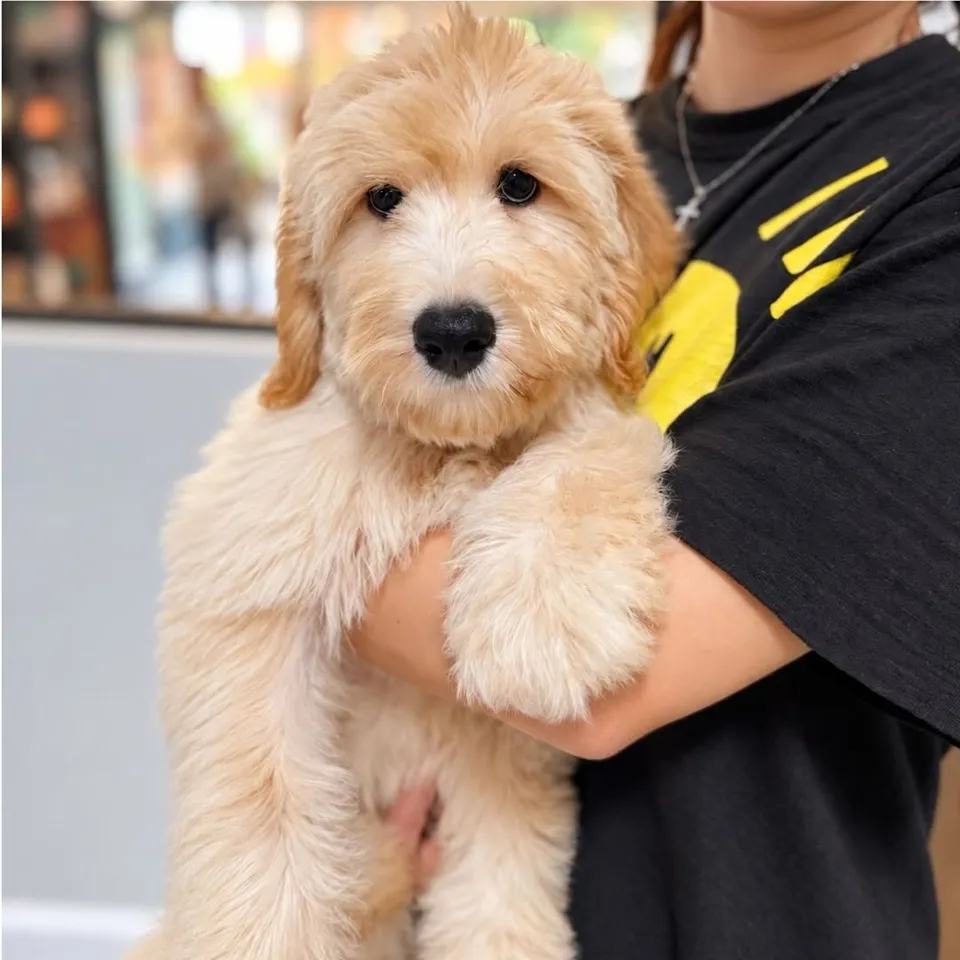
 Available
Golden Goldendoodle puppy
Female4 monthsNot HDB
$3,688
Ask about Golden Goldendoodle puppyRead Golden Goldendoodle puppy's listing in fullLabradoodle Singapore, the short answer: $3,488–$4,800 from Puppy Singapore, an AVS-licensed seller, vet-checked, vaccinated and microchipped under licence BR25052. This cross is not on HDB's approved list, so it is a condominium or landed-property dog here, and it lives 12–15 years.
There is a second thing to know before the price, and it is the one nobody puts in writing: the adult size of a Labradoodle is a range rather than a number.
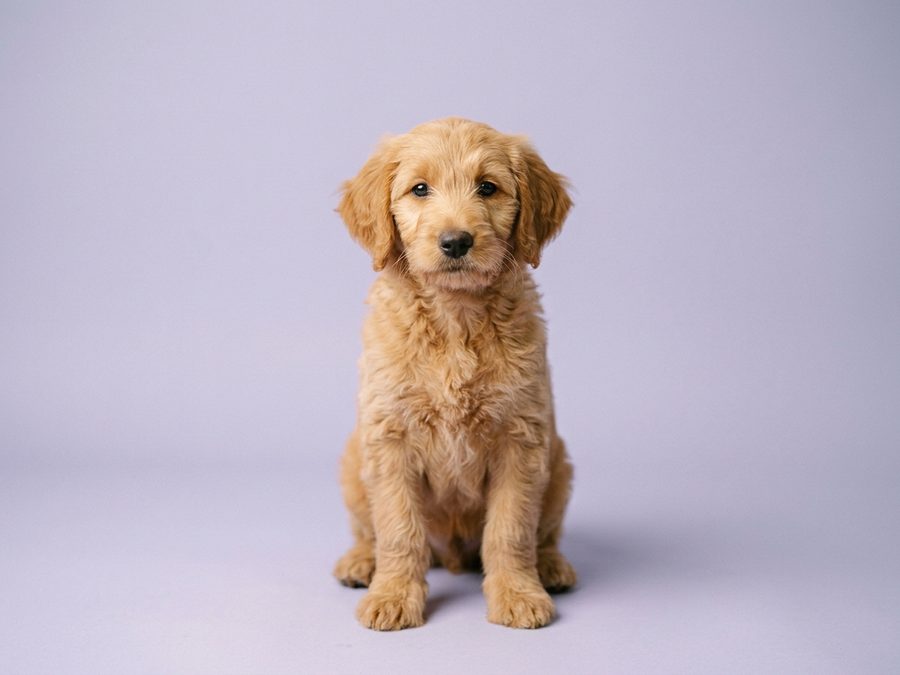
Labradoodle Singapore price searches usually end at an enquiry form. Every Labradoodle puppy here carries its price on the card instead, before any enquiry. Check your housing first, because for this cross that is the question that decides it.
We have no Labradoodle right now, and the last litter has gone home. Gaps are normal rather than a sign that something is wrong.
With us this week, for a condo or landed home
These are not Labradoodles and they are not a substitute for one. They are the breeds we have puppies of today that suit the same kind of home, counted from the same roster the availability page renders.
The puppies that come closest
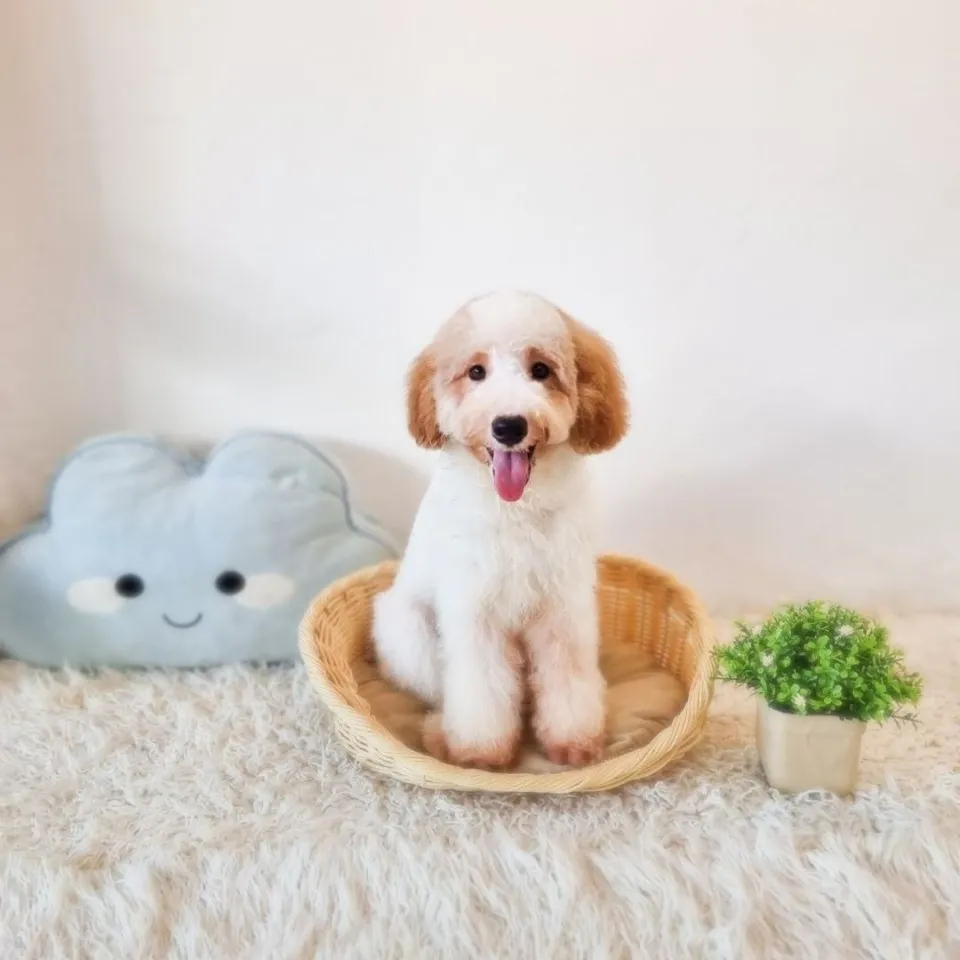
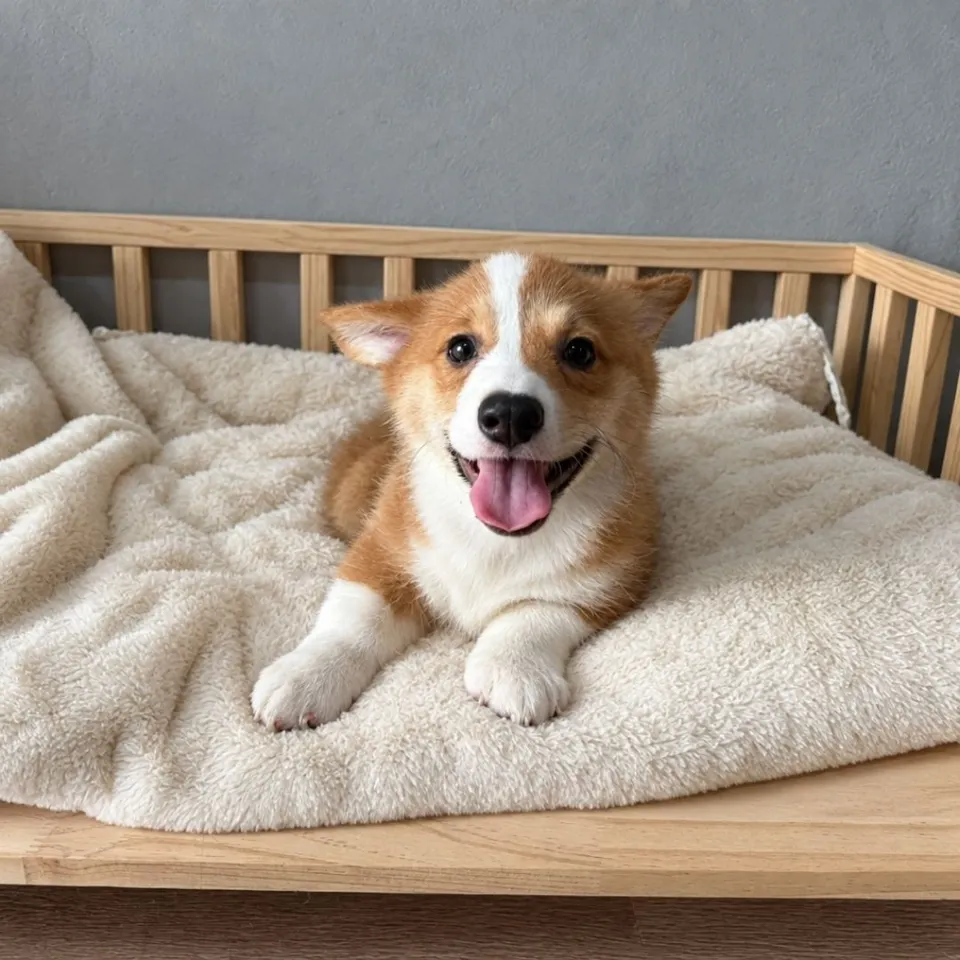
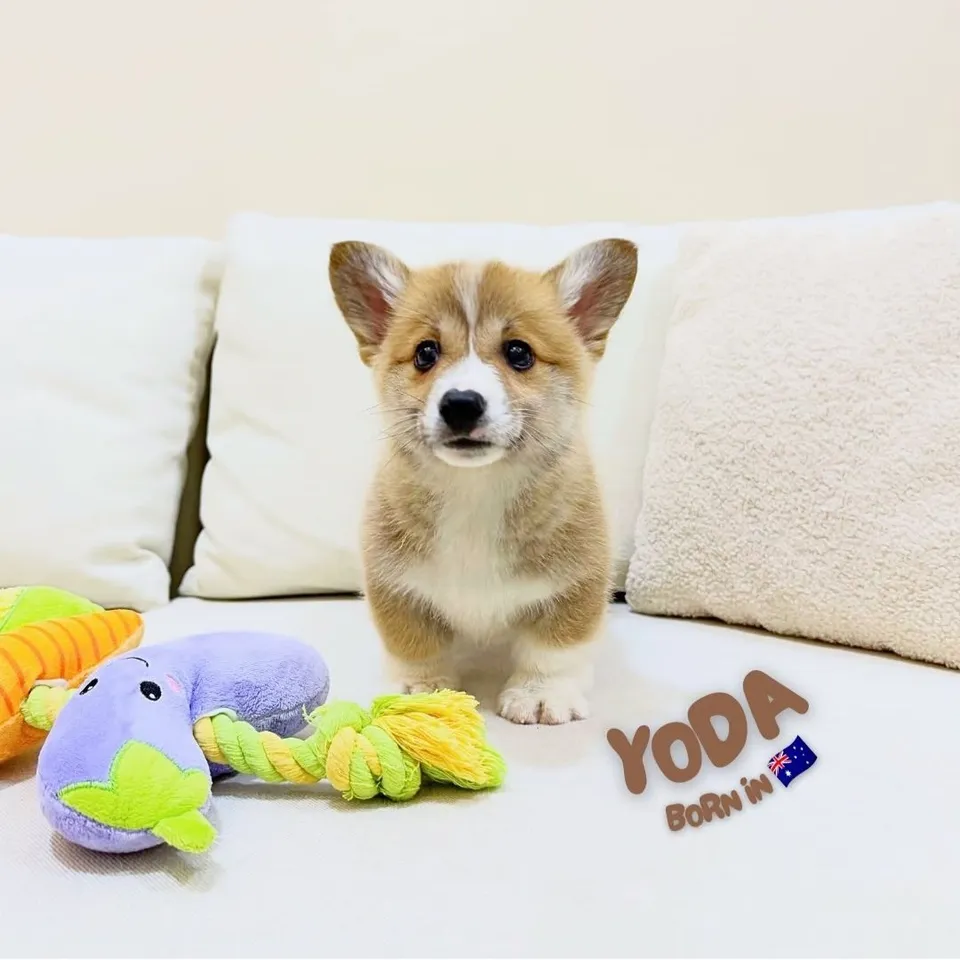
Real puppies at the farm today, photographed and priced, from the breeds above. Message us about one and we will send video the same day.
Available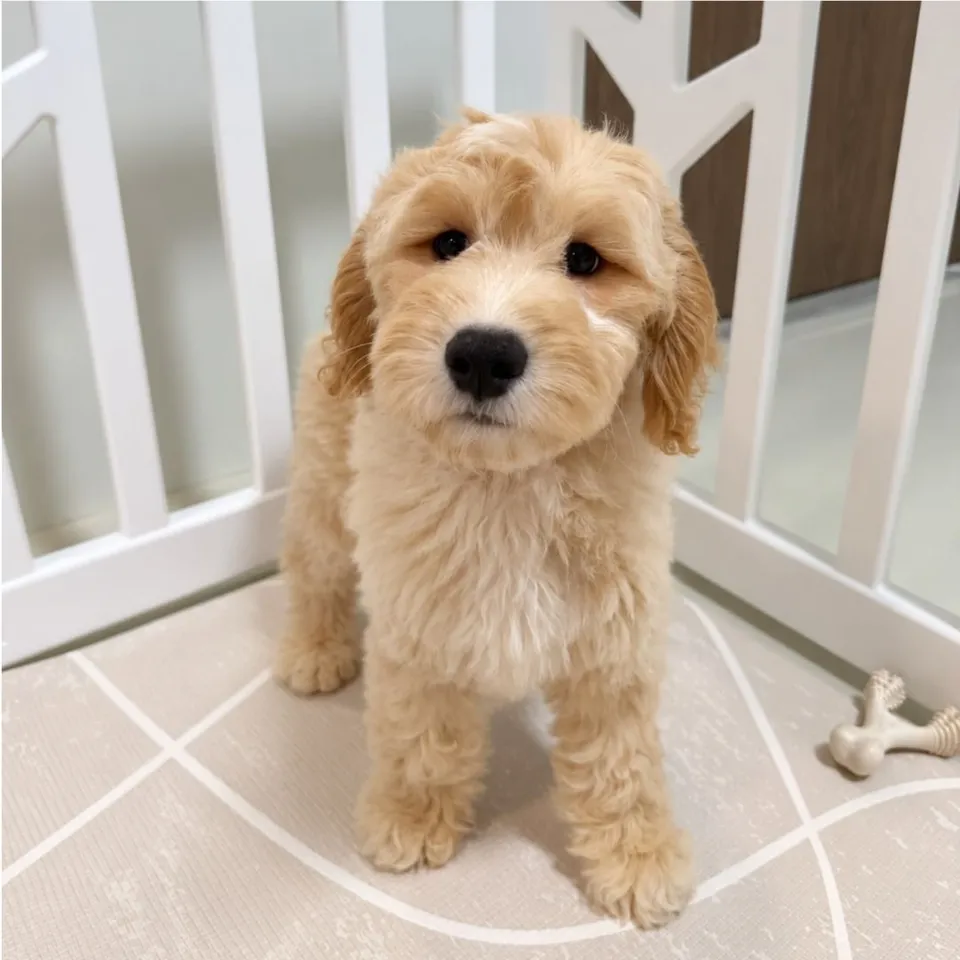 Available
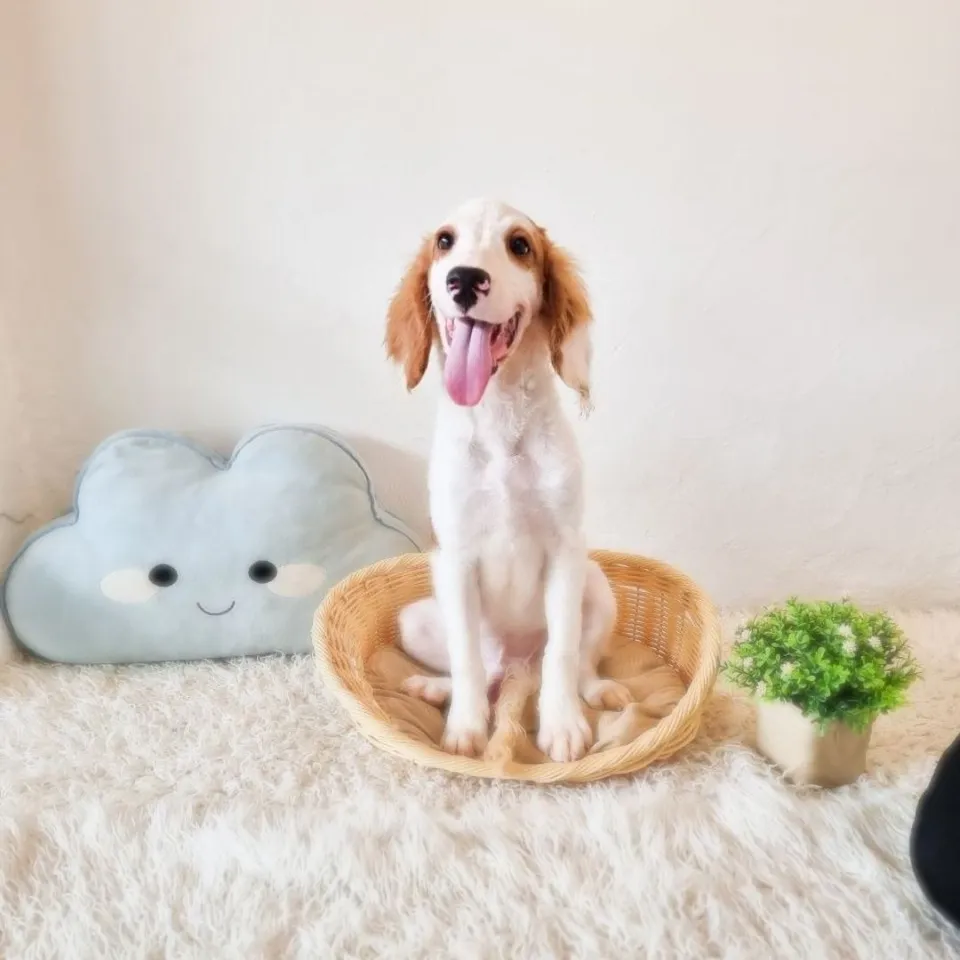 Available
 Available
 Available
 Available
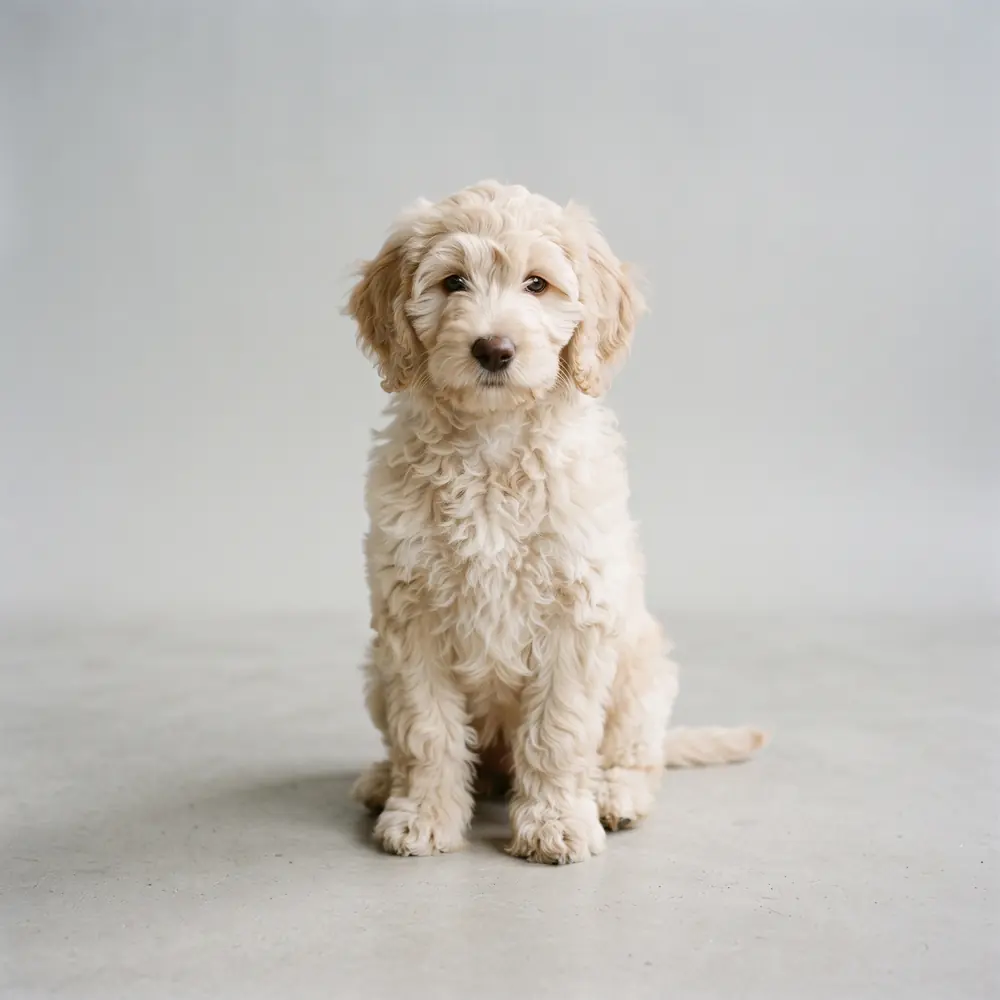
Nine illustrations of the breed: the coat colours a Labradoodle comes in, the size it grows to, and the coat between grooming appointments. These are drawings of the breed, not photographs of puppies for sale. Every puppy we really have is photographed and listed on the availability page.
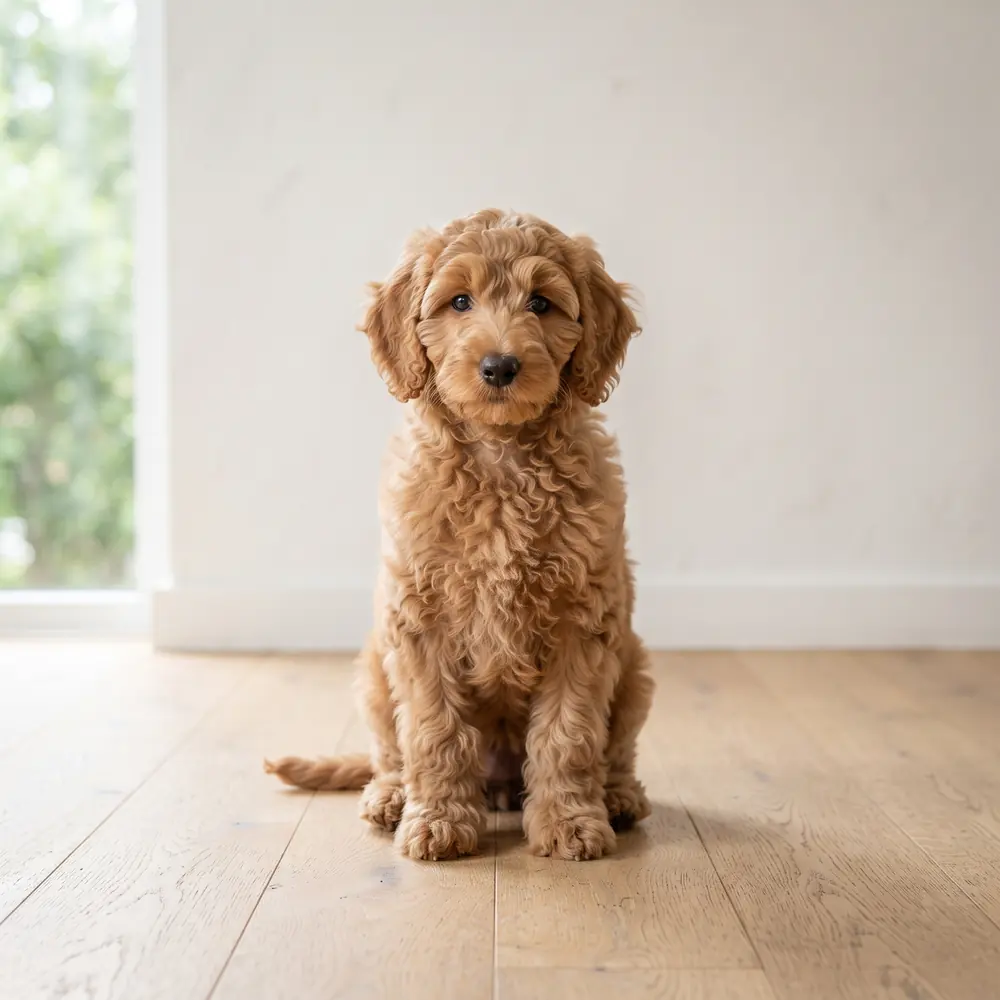
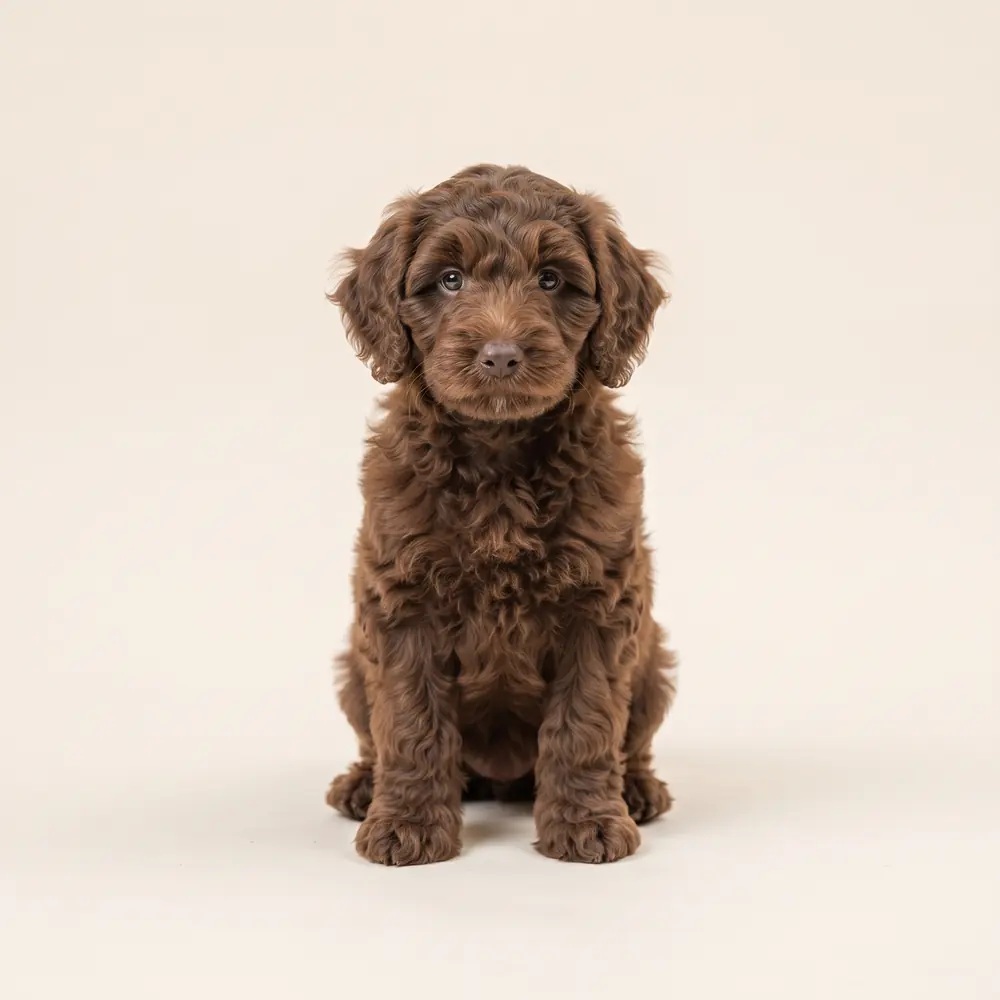
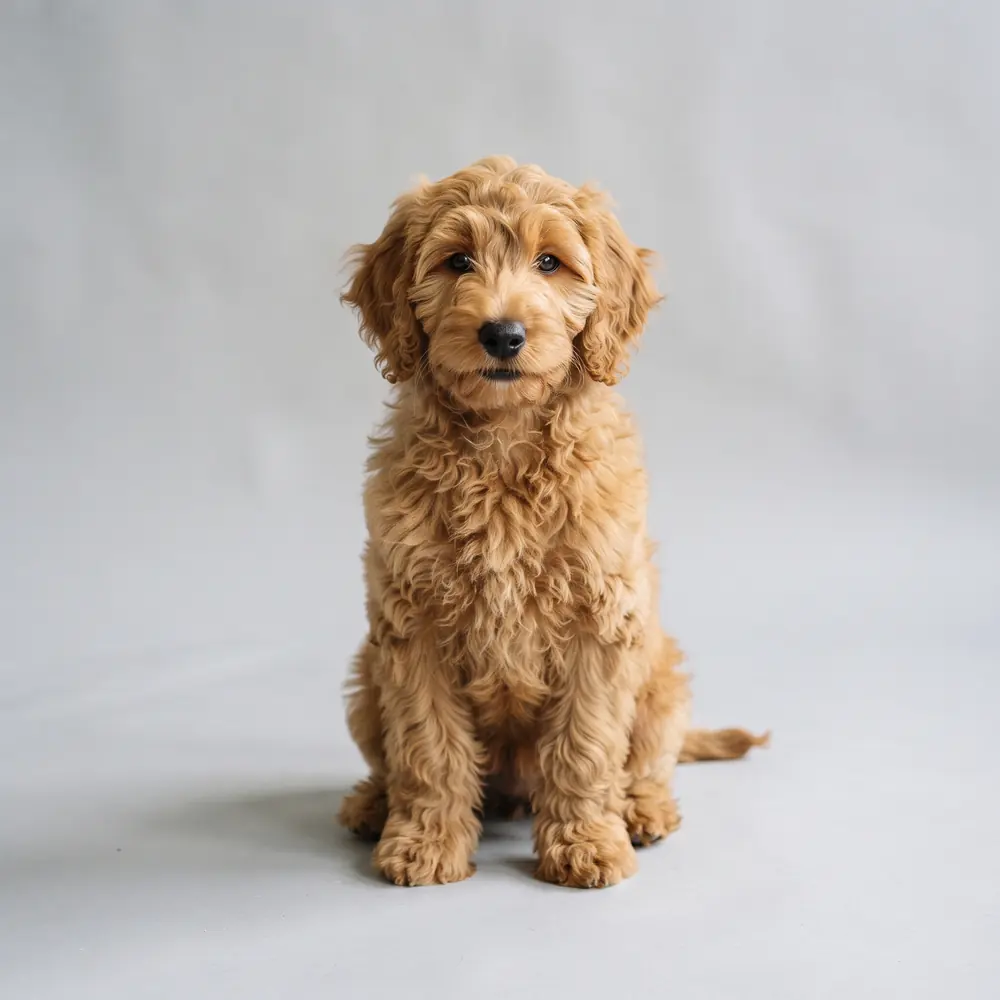
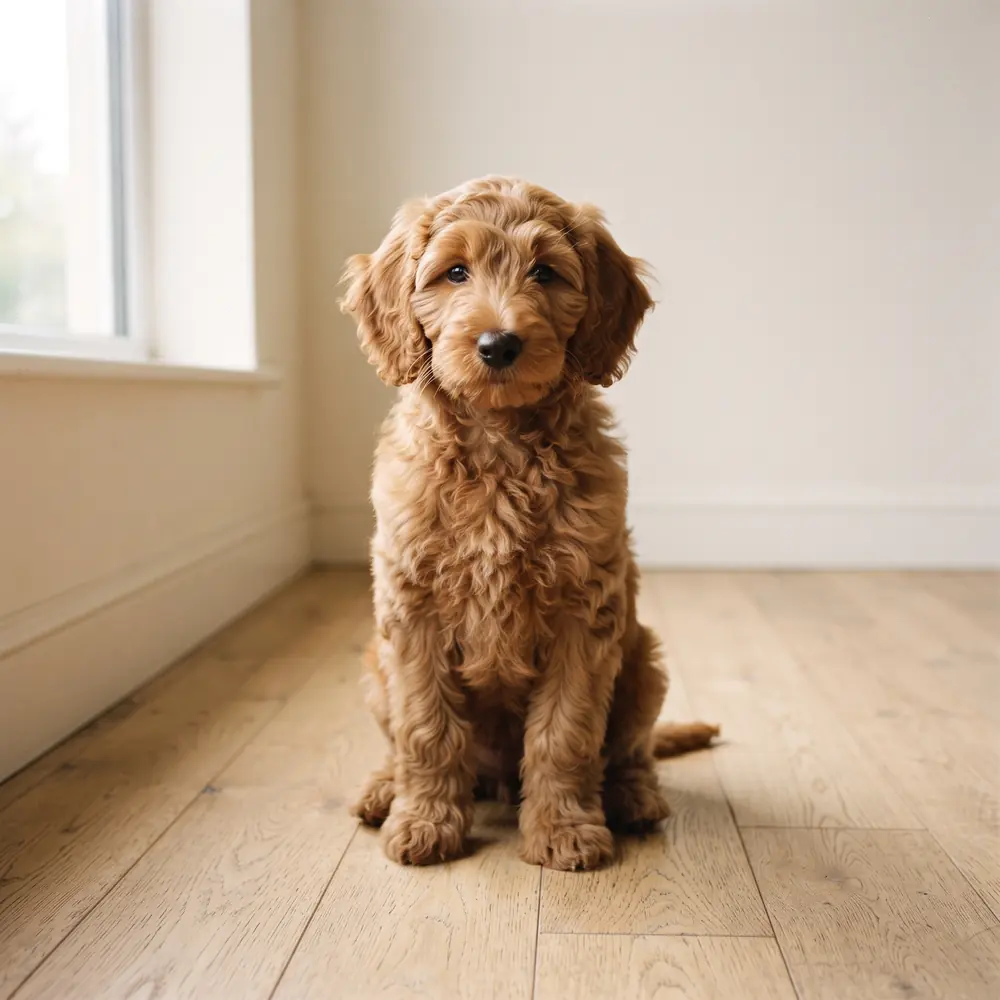
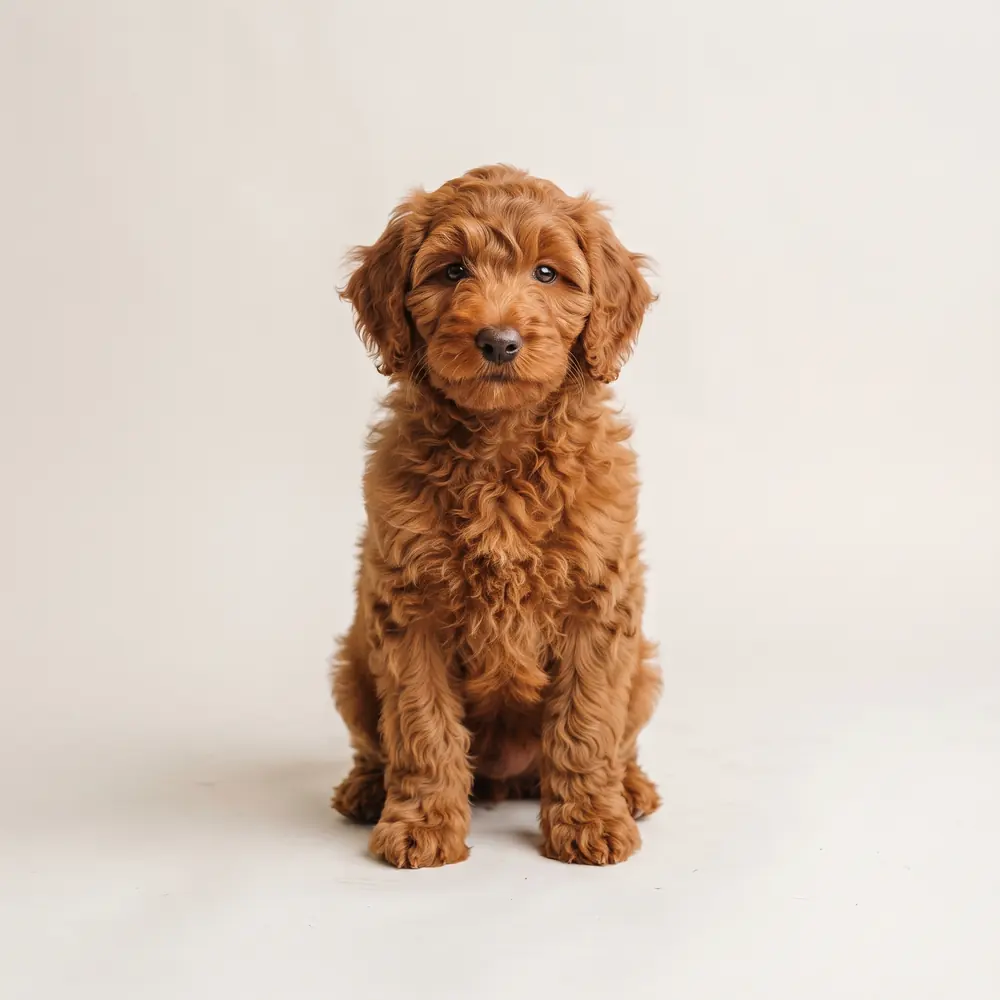
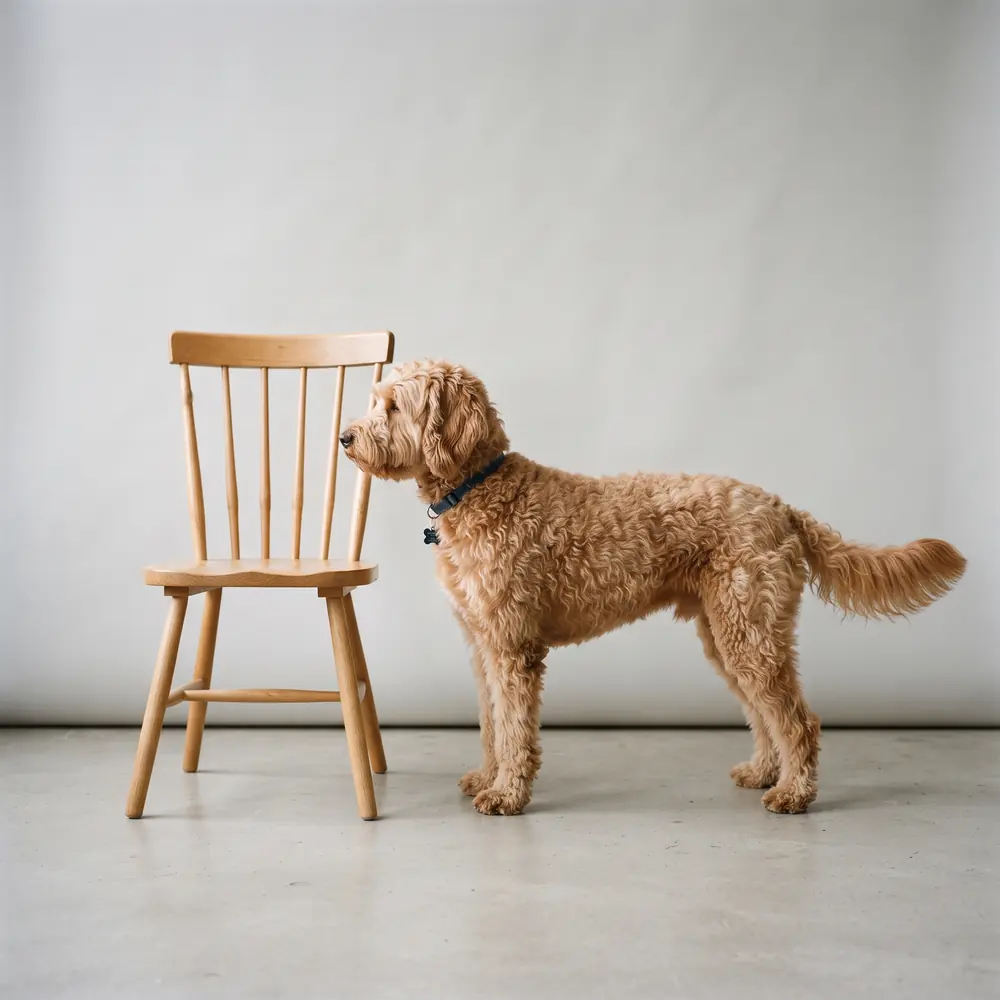
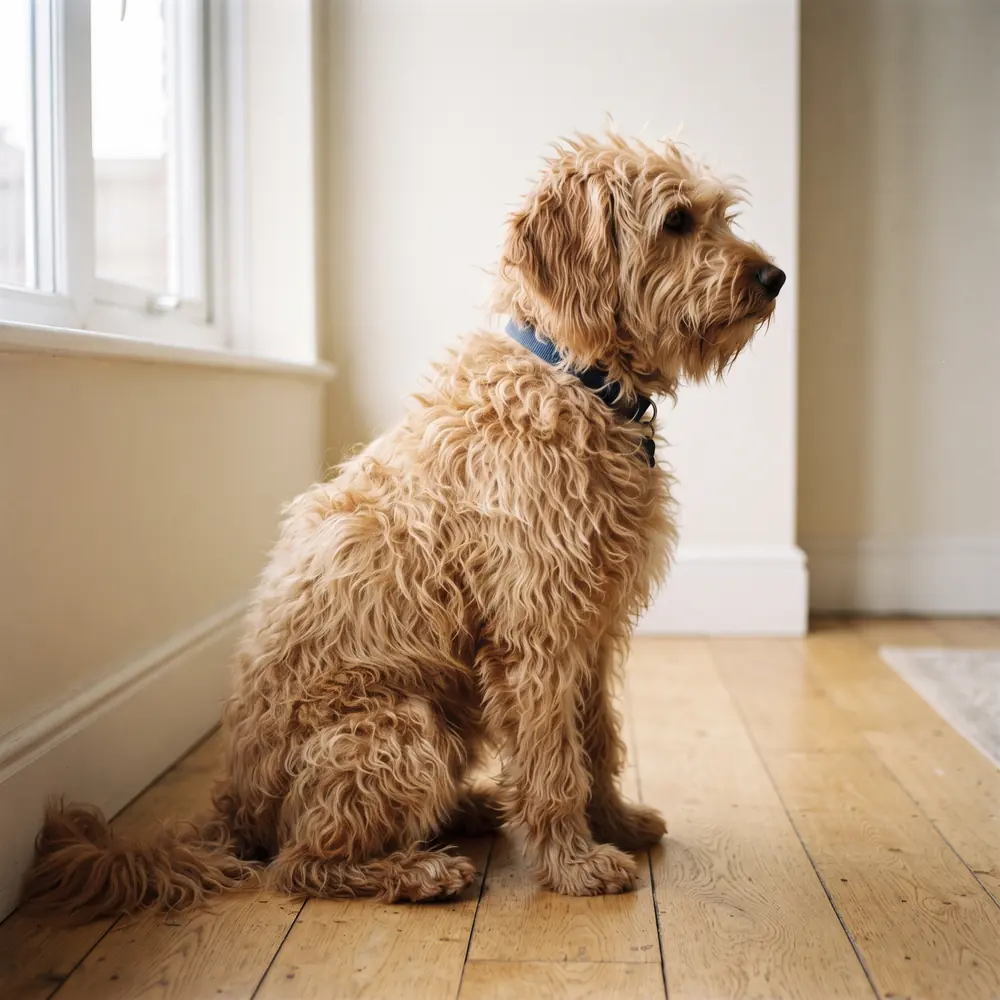
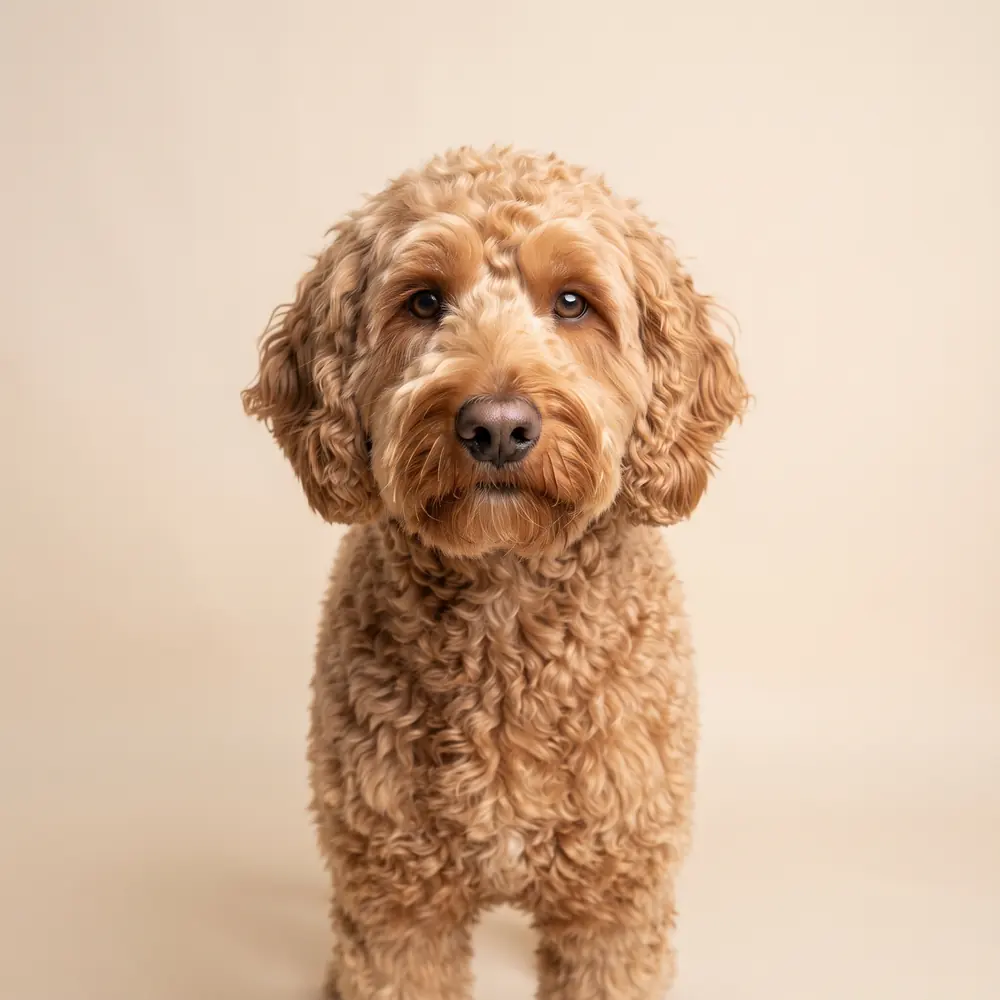
A Labradoodle puppy costs $3,488–$4,800 from an AVS-licensed seller in Singapore. That price includes vaccinations to date, deworming, a vet health check, a microchip and health certification. Age, sex and litter move a puppy inside the band, and colour does not.
Our own breed data gives 12–30 kg. That is the widest adult weight range of any breed we sell, and it is not close.
A 18 kg spread, against 16 kg for the next widest. The reason is structural rather than careless: a Poodle comes in toy, miniature and standard sizes, so a Labradoodle inherits a range rather than a size.
How much space a Labradoodle puppy in Singapore will need is genuinely unsettled at eight weeks, and that matters more than it sounds. A 12 kg dog and a 30 kg dog are different animals in a flat, in a car, on a walk and at the vet, and they are the same entry on a price list.
No. The Labradoodle is not named on HDB's approved breed list for flats, which makes it a condominium or landed-property dog in Singapore. A condominium then has its own management rules on top.
The part people ask next is whether a small one counts, and the answer is no. Approval attaches to the breed and not to the individual dog, so a 12 kg Labradoodle is in exactly the same position as a 30 kg one.
Mini labradoodle Singapore and the miniature version are both live searches, and both are really the flat question in disguise. What the label describes is a cross made with a smaller Poodle parent.
That genuinely shifts the range down. It does not make the outcome predictable within a single litter, and it does not make the cross HDB-approved. We do not price a mini as a premium product, because it is a parent choice rather than a rarer dog.
Sellers use these terms constantly and almost no buyer knows what they mean. They are worth five minutes, because the generation is the single most useful question you can ask about a doodle's coat.
Our own data rates this cross low-shedding, and the honest qualifier belongs in the same sentence: that is a tendency across the cross rather than a promise about any one dog.
In a first cross, coat type is inherited rather than designed. Two littermates can shed differently, and no seller can honestly promise otherwise.
Whichever coat a puppy inherits, it is a coat built for a cooler place than this one. Singapore heat is the reason the grooming appointment is not optional and the reason walks belong in the cool hours, and it is worth planning for before the adult coat arrives.
If you are buying because someone in the household has an allergy, that uncertainty is the thing to understand before you pay. What low-shedding does and does not mean for an allergy is set out on what low-shedding actually means for an allergy, and the short version is that no dog is hypoallergenic.
Locally, it is not. On our own price list the Labradoodle starts at $3,488, which puts it at the cheaper end of what we sell rather than the expensive one.
The market that question comes from is not this one. The premium it assumes is largely an overseas phenomenon, where designer-cross pricing runs well above purebreds. Here the crosses generally sit below them, and we publish no overseas market figure because we hold none we can stand behind.
The coat is, the temperament is not, and there is a third thing that gets left out of the question entirely.
| Area | Demanding? | What it means day to day |
|---|---|---|
| Coat | Yes | High grooming: brushing at home and a professional appointment on a cycle, for life |
| Energy | Yes, and this is the one people miss | High energy from two working parent breeds, every day, in the cool hours |
| Training | No | One of the easier dogs on this site to teach, if you actually teach it |
| Temperament | No | Sociable and even, and it wants to be in the room with you |
| Food | Moderate | Depends entirely on where in the 12 to 30 kg range your dog lands |
Families choose this cross from photographs of a friendly, teddy-bear-looking dog. The photographs do not show the two hours a day the dog would like from you.
Written by a seller, so read the right-hand column with that in mind: it is the one that costs us sales when it is honest.
| Pros | Cons | |
|---|---|---|
| Housing | Excellent in a condo or landed home | Not on HDB’s approved list, which rules out most Singapore homes |
| Size | A size to suit most homes exists in this cross | You cannot know in advance which one you are getting |
| Coat | Low-shedding, in most dogs | High grooming, and the low-shedding is a tendency rather than a promise |
| Temperament | Sociable, even-tempered, excellent with children | Does not cope with an empty house |
| Trainability | Among the easiest we sell | A bright dog with nothing to do invents a job |
| Energy | Up for anything you want to do | High, every day, regardless of weather |
Yes, and unusually so. Both parents are working breeds selected for taking direction from a person, which is a rarer combination than it sounds.
The flip side is the same trait: a clever dog with nothing to do will find its own job, and it will not be the one you would have picked.
A moderate amount, and less than most terriers on this site. What sets one off is usually boredom or an arrival at the door rather than noise in general.
That makes it fixable in the same way the digging and the chewing are fixable: enough exercise, and a routine around the door built in the first week rather than the first month.
Very much, and the Labrador half is why. This is a dog that follows you between rooms and would rather be leaned against you than anywhere else in the house.
Said in the same breath: a dog this sociable does not do well left alone all day, and one this size can do real damage to a home when it is bored and lonely.
Our own breed data gives 12–15 years. We publish the range rather than an average, and in a cross this variable an average would say even less than usual.
What it costs to keep a Labradoodle starts with a question back: how big is your dog going to be. A 12 kg one and a 30 kg one do not cost the same to feed or to groom, so the cost in Singapore is a range like everything else about this cross.
| Line | Typical cost | What moves it |
|---|---|---|
| Grooming | The largest recurring line | Coat type, adult size, and how much brushing happens at home |
| Food | The upper half of the $30 to $120 a month band | Where in the 12 to 30 kg range your dog lands |
| Routine vet | Annual booster, plus hips, eyes and ears checked | Age, and what the parents were checked for |
| AVS dog licence | $15 a year sterilised, $90 if not | Duration and sterilisation status, less a 10% online rebate |
Our price hub publishes what a Labradoodle costs here to buy and to keep, breed by breed.
The timeline is set by the vaccination schedule, not by us. Core vaccinations run at weeks 6, 8 and 12, with an optional dose at week 16, and deworming happens at every visit.
Labradoodle Singapore for adoption is a real search, and this cross does come up for rehoming here, usually as a young adult rather than a puppy.
The reason is the two things at the top of this page. A dog bought as a friendly family pet turns out to need daily exercise and a standing grooming appointment, and sometimes finishes a good deal larger than the household expected. An adult whose size and coat you can already see removes both unknowns at once.
First bred in Australia in the 1980s as a low-shedding guide dog, the Labradoodle crosses the Labrador’s temperament with the Poodle’s coat.
There is no Labradoodle breed standard, because a Labradoodle dog is a cross rather than a standardised breed, and that is the root of everything on this page. A breed standard is what makes size and coat predictable; a cross has parents instead, which is why this page keeps telling you to ask about them.
Housing is the column to read first, because it decides the shortlist before anything else does.
| Breed | HDB flat | Adult weight | Shedding | Typical range |
|---|---|---|---|---|
| Labradoodle | Not approved | 12–30 kg | Low | $3,488–$4,800 |
| Cavapoo | Yes, approved | 4–8 kg | Low | $3,288–$5,988 |
| Standard Poodle | Not approved | 20–32 kg | Low | $3,488–$5,988 |
| Golden Retriever | Not approved | 25–34 kg | High | $4,588–$5,500 |
One of those four is open to a flat. If that is your constraint, the shortlist is shorter than the photographs suggest.
Figures last checked 26 August 2026.