Puppy Singapore
Menu
$4,288–$4,888 · HDB-approved · AVS licence BR25052 · updated August 2026

Chihuahua for Sale Singapore

Chihuahua for sale Singapore, the short answer: $4,288–$4,888 from Puppy Singapore, an AVS-licensed seller, vet-checked, vaccinated and microchipped under licence BR25052. The breed is HDB-approved at 1.5–3 kg, and it is among the longest-lived dogs anywhere at 14–18 years.

The rest answers what buyers actually search, starting with the one question on this breed that has a real answer nobody publishes, and it is not a disease.
Available now

Chihuahua for sale Singapore: available now

No Chihuahua is listed here this week, and the last litter has gone home. Litters in this breed are very small, so gaps are normal rather than a sign that something is wrong.

  • Tell us the colour, coat and sex you are after and we will send photos when the next litter arrives.
  • Meanwhile, every puppy available this week sits on one page.
Recently placed

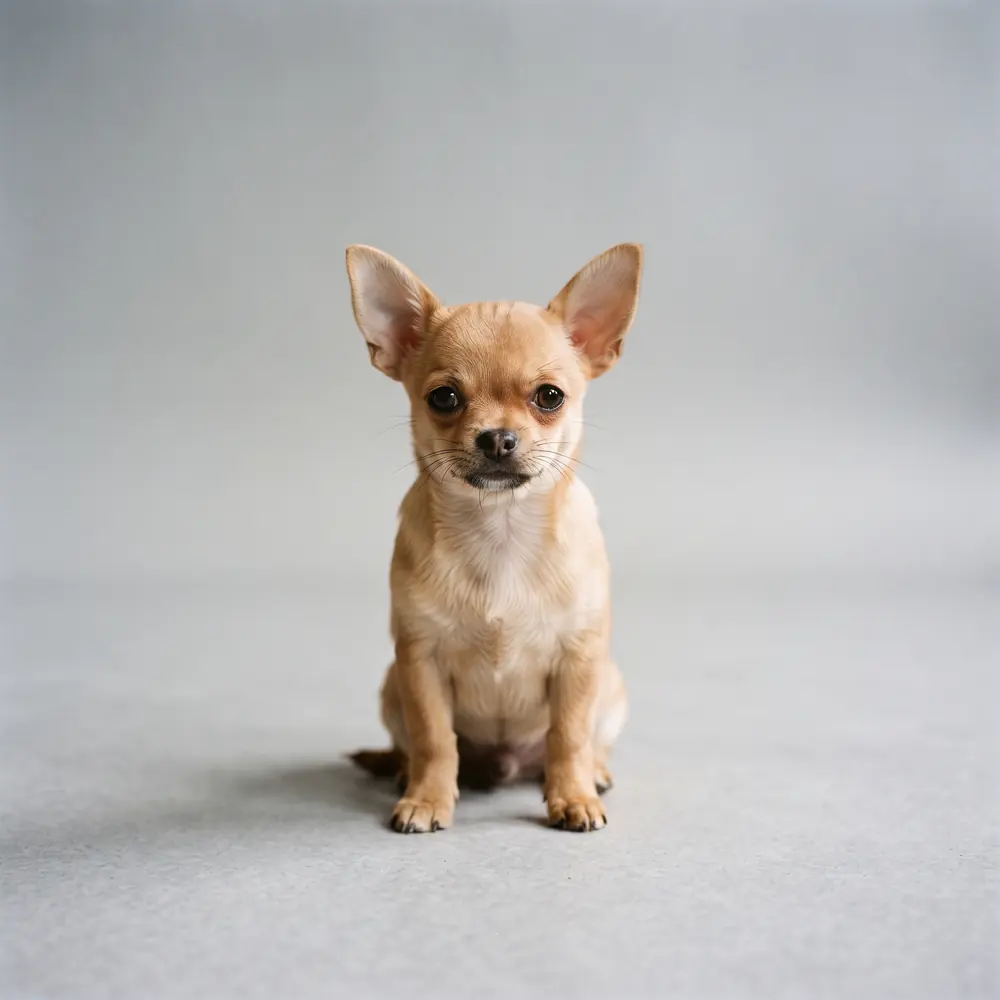
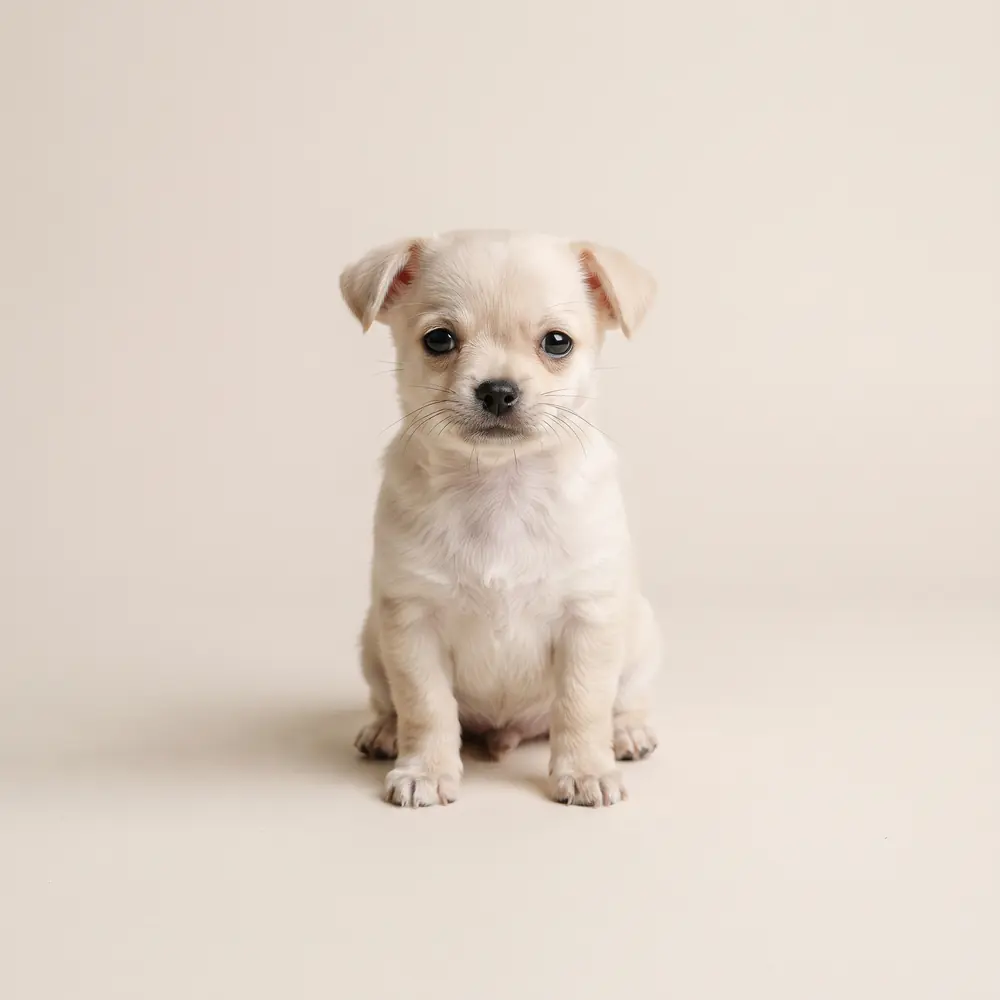
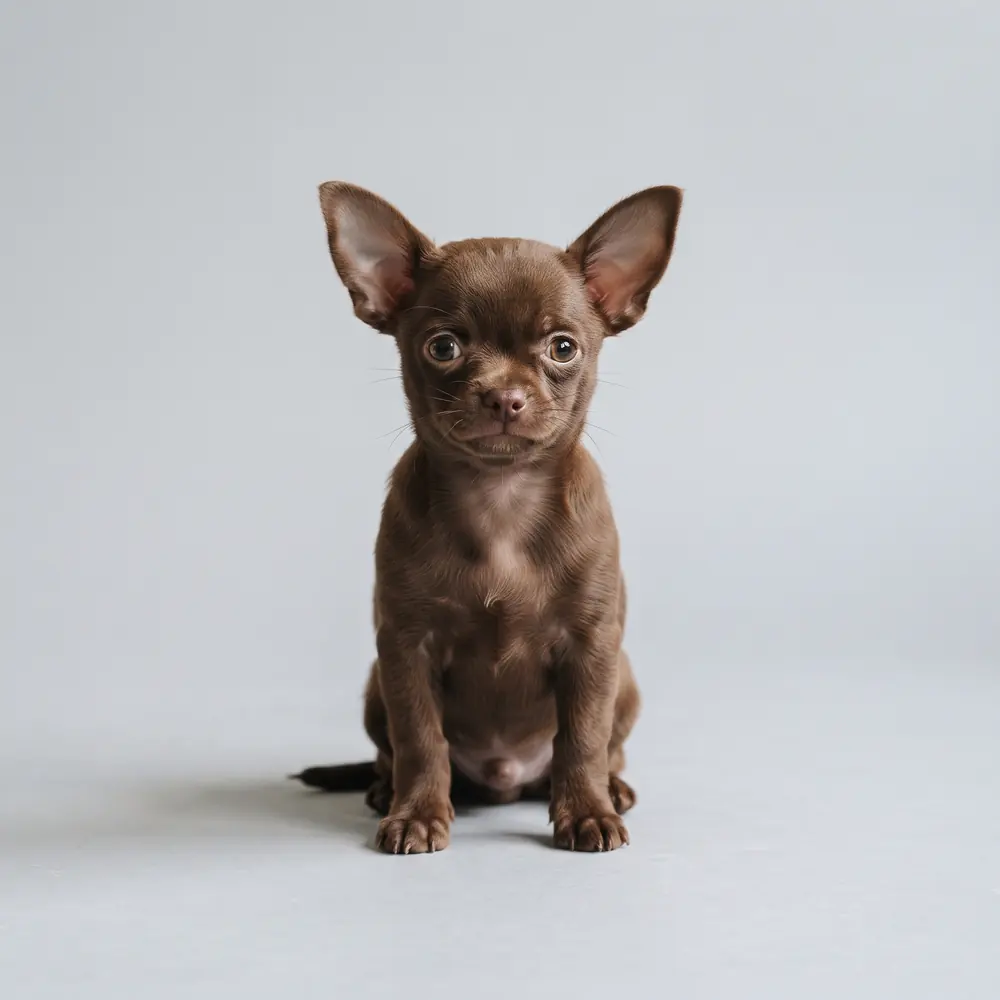
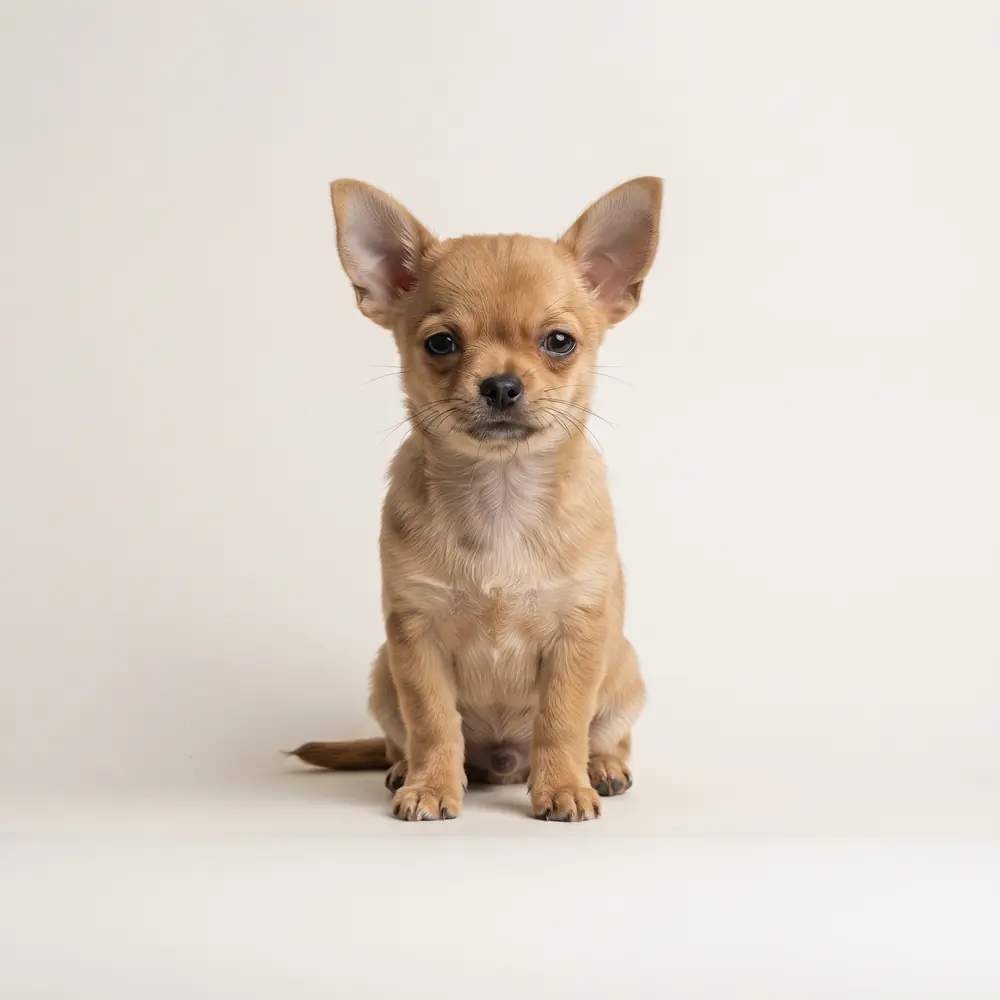
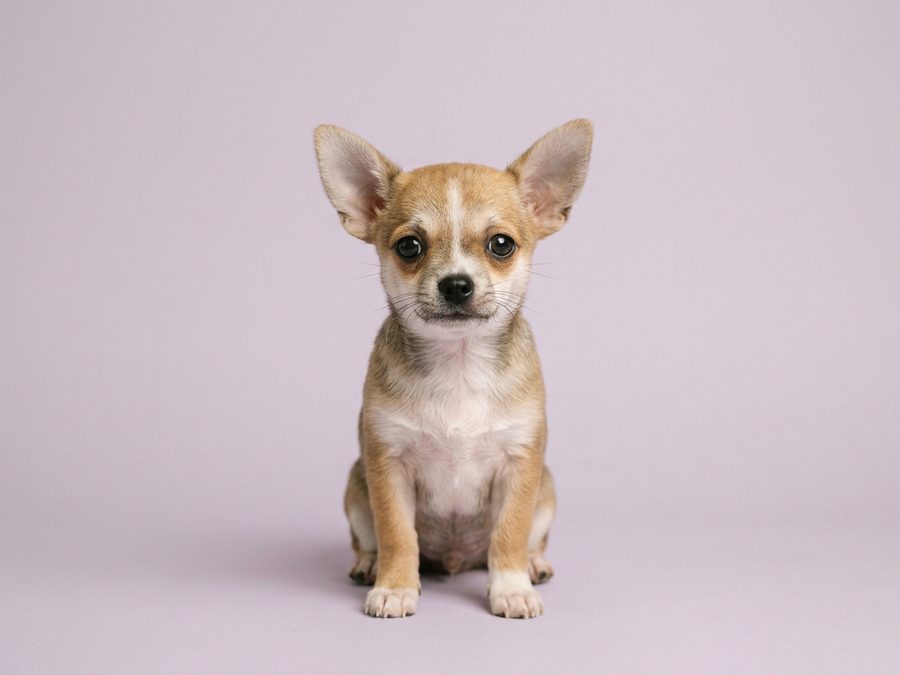
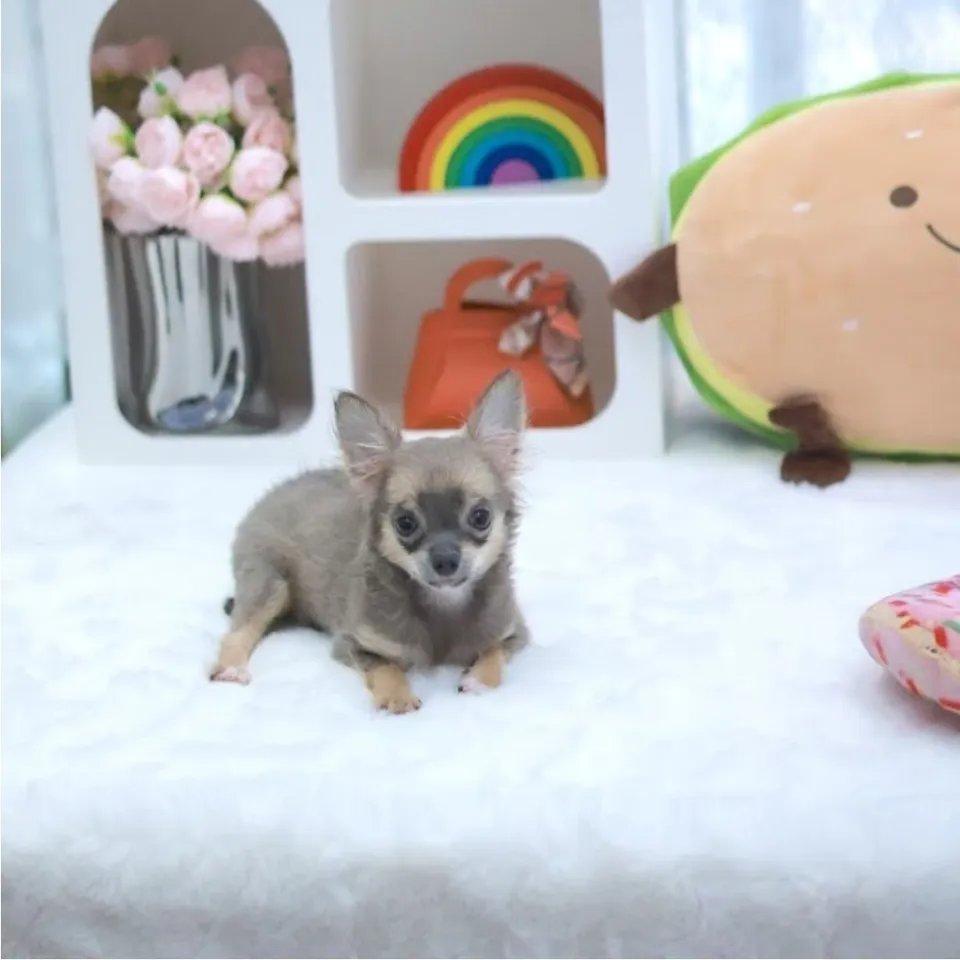
These Chihuahuas have already gone home. They are here so you can see the coats and colours our litters arrive in, not as available stock.
The three facts that decide this breed for a Singapore buyer

Price: $4,288–$4,888
Published per breed before you enquire. Colour and coat length move nothing, and there is no teacup version at any price.
Housing: HDB-approved
On the HDB-approved breed list at 1.5–3 kg, one dog per flat, with a valid AVS dog licence.
The household adapts
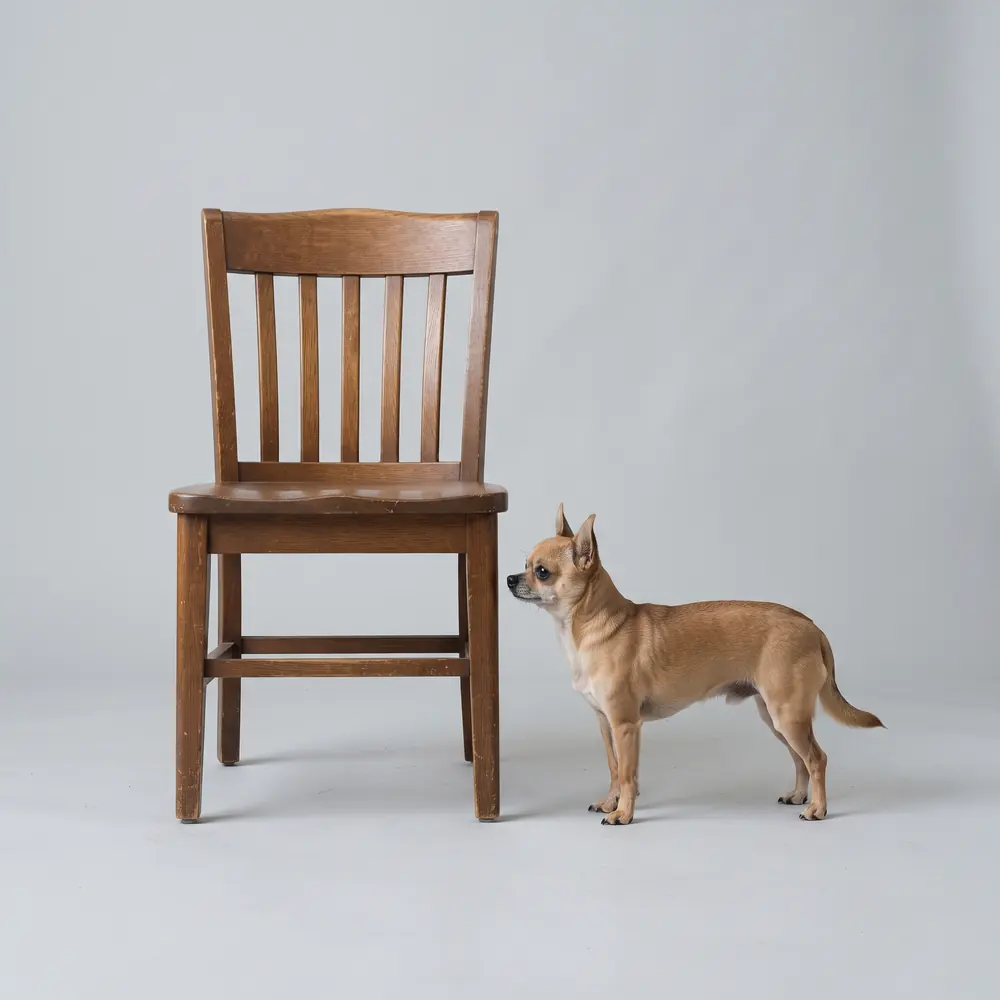
A 1.5 to 3 kg dog is hurt by ordinary household accidents. That is the real commitment here, and it is entirely preventable.

How much do chihuahuas usually cost?

A Chihuahua puppy costs $4,288–$4,888 from an AVS-licensed seller in Singapore. That price includes vaccinations to date, deworming, a vet health check, a microchip, health certification and ancestry records. Age, sex and litter move a puppy inside the band, and colour does not.

What a Chihuahua puppy price includes

Every Chihuahua for sale Singapore buyers find on this site carries its price in public. Six things travel with the puppy, and each is a document or a procedure rather than a promise.

  • Vaccinations to date, in the booklet that goes home with the puppy.
  • Deworming, at every vet visit through the schedule.
  • A vet health check before the puppy is cleared to travel.
  • A microchip, implanted and registered.
  • Health certification and ancestry records, signed and dated.
  • Kennel club registration where the litter qualifies.

What a Chihuahua costs to keep, every month

Recurring costs for a Chihuahua in Singapore
LineTypical costWhat moves it
FoodThe very low end of the $30 to $120 a month bandA 1.5–3 kg dog eats almost nothing
GroomingMinimalA brush, nails, and that is largely it
Dental careThe real recurring line in this breedWhether anyone brushes from week one, over a life of up to eighteen years
AVS dog licence$15 a year sterilised, $90 if notDuration and sterilisation status, less a 10% online rebate

This is one of the least costly breeds on the site to feed and one of the most expensive to neglect dentally. Our price hub publishes what each breed actually costs to buy and to keep, breed by breed.

Pricing, published
$4,288–$4,888
Published price for this breed (SGD).
  • Vet health check & vaccinations to date
  • Deworming (done with every vaccination visit)
  • Health certification & ancestry records
  • Microchipped before homecoming
  • Door-to-door delivery available
WhatsApp for availability

Where a Chihuahua's yearly cost actually goes

Recurring yearly costs for a Chihuahua in SingaporeDental care is the line that matters, because full-sized teeth sit in the smallest mouth of any breed for up to eighteen years. Routine vet care follows. Food is tiny, grooming is minimal, and the dog licence is the smallest line.Dentala brush now, or a scale and polish laterRoutine vetbooster, knees, teethFoodthe smallest food bill hereLicence$15 a year sterilised
The recurring lines for a 1.5 to 3 kg dog in Singapore. Food and grooming barely register, and dental care is the line that decides whether the later years are cheap or expensive. Source: the cost bands published on this site's price hub.

What is the main cause of death of Chihuahuas?

We publish no figures, because we hold none we can stand behind. What we can tell you is the honest breed-specific answer, and it is not a disease. It is trauma.

A dog that weighs less than a bag of sugar is seriously hurt by things no other dog notices. That is unlike an inherited condition in one important way: almost all of it is prevented by how a household behaves.

The everyday hazards, and the household habits that remove them

Everyday hazards for a very small dog and the habits that prevent themBeing stepped on is prevented by looking before moving and by teaching the dog to settle in a bed. Being dropped is prevented by not carrying the dog on stairs. Closing doors are prevented by checking behind you. And larger dogs are managed by keeping the dog on a lead and off busy dog runs.Underfootlook before you move, and teach a settle spotDroppednever carried on stairsDoorscheck behind you, every timeBigger dogson a lead, and off busy dog runsFurnituresteps up to the sofa, not jumps down
Each row is an ordinary domestic event that is nothing to a 10 kg dog and serious to a 2 kg one. None of this requires special equipment, only habits formed in the first week. Source: the care guidance published on this site.
None of this is exotic. It is looking down before you move, checking behind a door, and keeping a small dog out of a crowd of large ones.

The molera: the soft spot nobody warns you about

Some Chihuahuas are born with a molera, a soft spot where the skull plates have not fully closed. It is considered normal in this breed, and almost no first-time buyer has heard the word before they feel it.

That is the only reason it is on this page. An owner who knows the term mentions it to a vet at the first visit and has it noted; an owner who does not spends an evening frightened.

  • What to do: raise it at the first vet visit so it is examined and recorded.
  • What to change: handle the head gently, and keep the dog out of rough play.
  • What not to accept: a seller describing it as a defect or using it to move the price.
  • What we do not publish: how common it is, because we hold no figure we can stand behind.

Can chihuahuas live for 20 years?

Our own breed data gives 14–18 years, which already makes the Chihuahua one of the longest-lived dogs anywhere. Twenty happens, and it is exceptional rather than typical.

We will not publish an average we cannot verify. What we can say is what moves the number, and it is the two things this page keeps returning to: the teeth and the weight.

The aircon problem

This is the one breed on this site where the climate advice runs backwards. A Chihuahua copes well with Singapore heat and chills easily under a strong air-conditioning vent.

A tiny dog has very little body mass to hold warmth, so an office-cold living room at 2am is a genuine discomfort rather than a preference. Shivering under the aircon is information.
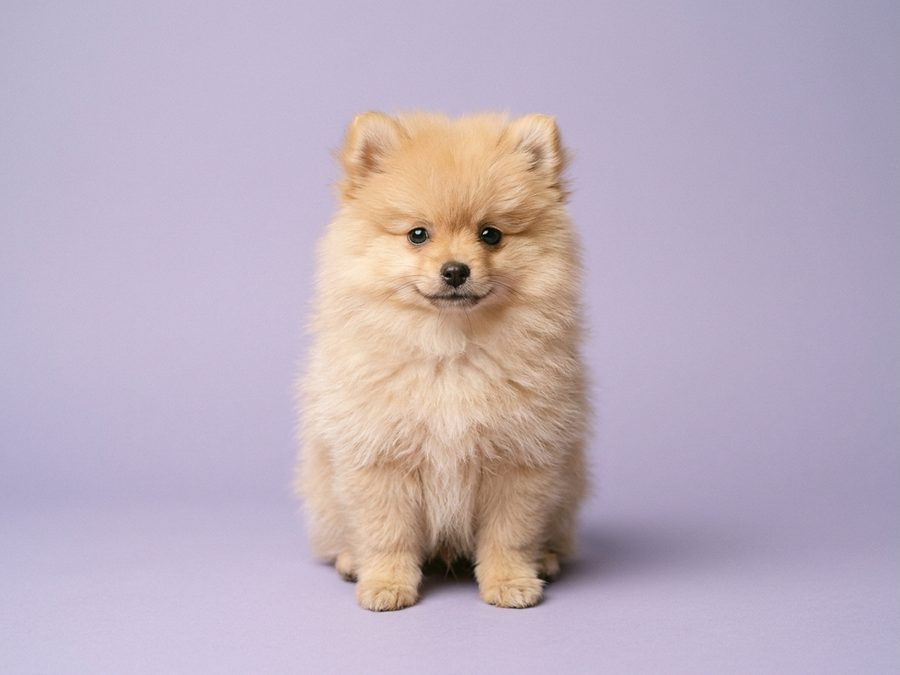
A Pomeranian, the other toy breed Singapore buyers weigh against a Chihuahua

Are chihuahuas high maintenance?

The coat is almost nothing and the teeth are everything. That is the honest summary, and it is the reverse of most small breeds on this site.

Full-sized teeth sit in the smallest mouth of any breed, and periodontal disease over a life that can run to eighteen years is the most expensive predictable problem a Chihuahua owner meets. Brushing from week one is the whole intervention.

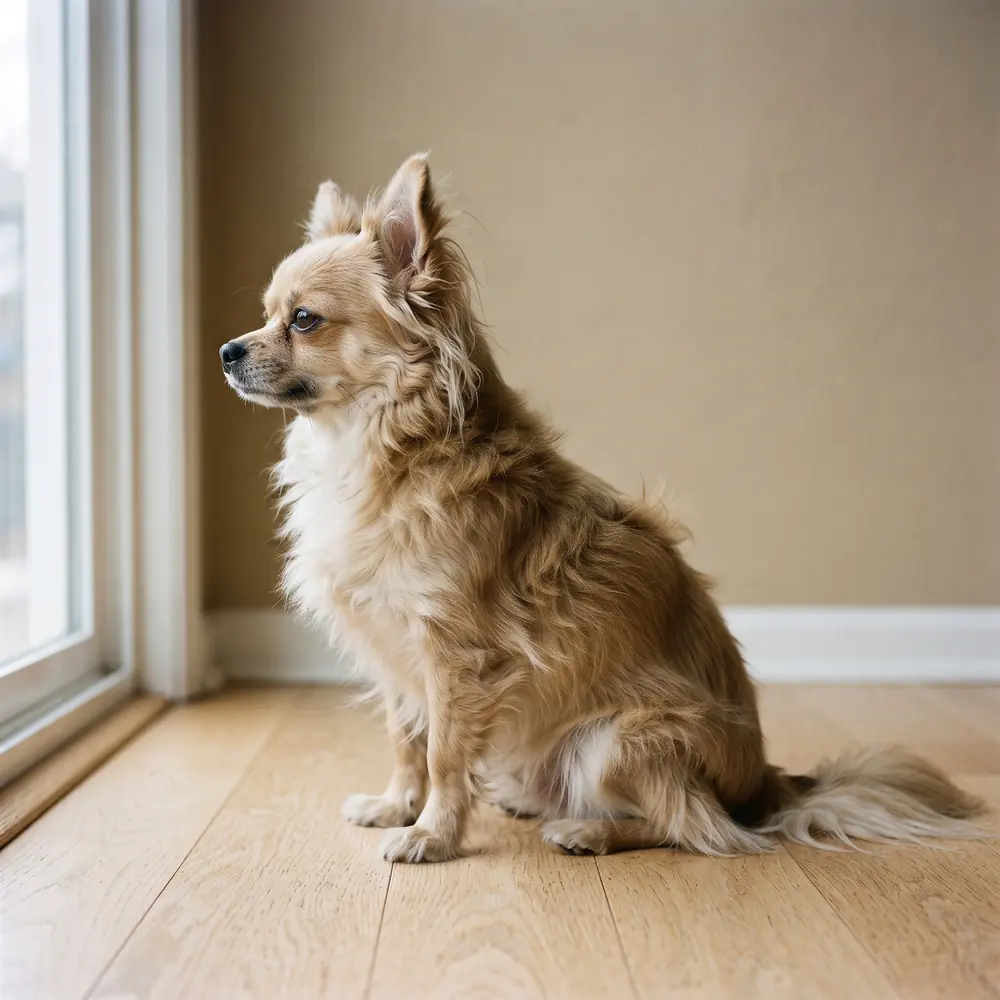
  • Coat: a brush now and then, whether smooth or long.
  • Teeth: daily if you can, several times a week at minimum, starting before it is needed.
  • Nails: a small dog wears them down less, so they need doing more often.
  • The real maintenance: the household habits in the section above.

Health: what to ask about before you pay

Teeth
Periodontal disease is the predictable one. Ask about the parents' mouths, and start brushing in week one.
Knees
Patellar luxation is the toy-breed joint risk. Ask what the parents were checked for, and keep the dog off jumps down from furniture.
Windpipe
Tracheal collapse is why this breed walks in a harness. Read why a toy breed wears a harness for the mechanism.
The molera
Normal in this breed, unfamiliar to most buyers. Ask whether this puppy has one and have your vet note it.

What a good seller answers without hesitating

  • What is your AVS licence number, and may I look it up?
  • What were the parents checked for, particularly the knees?
  • Does this puppy have a molera, and has a vet looked at it?
  • May I meet the puppy in person, and where is it now?
  • May I see the vaccination booklet and the ancestry records?

What is the downside of Chihuahuas?

Written by a seller, so read the right-hand column with that in mind: it is the one that costs us sales when it is honest.

Chihuahua pros and cons for a Singapore household
ProsCons
HousingHDB-approved and fits anywhereOne dog per flat still applies
SizePortable, and costs almost nothing to feedGenuinely fragile around feet, doors and larger dogs
CoatAlmost no grooming, smooth or longChills under strong aircon
TemperamentDevoted, bold, enormous personalityBonds hard to one person, and can be reserved with everyone else
Lifespan14–18 yearsA very long commitment, and a long time to keep a mouth healthy
HealthRobust for its size and long-livedTeeth, knees and windpipe

Is a Chihuahua a good pet?

For the right household it is one of the best small dogs there is, and the wrong household is easy to describe.

Which households a Chihuahua suits
HouseholdVerdictWhy
Adults or older children, calm home, flat or landedExcellentDevoted, tiny, long-lived and cheap to keep
Seniors or a single-person householdOften idealThe one-person attachment is a feature rather than a problem
Household with toddlersNoA 2 kg dog and a small child are a bad combination for both
Busy household that moves fastThink carefullyThe trauma risk on this page is about habits, and habits are hard to retrofit
Anyone wanting a dog-park dogWrong breedA crowd of large dogs is the one place this dog should not be

Can Chihuahuas hold their pee all night?

An adult usually can. A puppy cannot, and the bladder is genuinely tiny, so the usual one-hour-per-month-of-age guide is optimistic at the small end of this breed.

Plan a tight schedule rather than more correction, keep the toilet spot close at night for the first months, and expect it to improve quickly once the dog is grown.

Should Chihuahuas sleep with you?

They will certainly want to. This breed burrows under blankets by instinct and would spend the night pressed against you given the chance.

The honest caution is that a 1.5 kg dog in a bed with a sleeping adult carries a real injury risk. Plenty of owners do share a bed and it works; a warm covered bed beside yours gives the dog the same closeness with none of that risk.

How to tell if a Chihuahua loves you?

It will pick you. This breed attaches hard, usually to one person, and shows it by following you room to room, sitting against you rather than near you, and burrowing into whatever you happen to be wearing.

If you want that attachment shared across a household, everyone has to share the feeding, the walking and the training from the first month. Left to itself, a Chihuahua chooses one person and is polite to the rest.

Teacup Chihuahuas: the most dangerous label on this site

The Chihuahua is already the smallest dog in the world. No standard recognises anything below it, so a teacup Chihuahua is either the small end of a normal litter or a dog bred deliberately under a range that starts at 1.5 kg.

Everything on this page gets harder in a smaller dog: the fragility, the knees, the mouth, the temperature. We do not sell, price or advertise them, and a premium charged for one is a premium charged for a problem.

What comes with every Chihuahua puppy

Vaccinations to date
Core doses at weeks 6 and 8 before homecoming, recorded in the booklet.
Deworming
Done at every vet visit through the schedule.
Vet health check
A licensed vet clears the puppy before it travels.
Microchip
Implanted and registered, and tied to your AVS dog licence.
Health certification
Written, signed and dated.
Ancestry records
Plus kennel club registration where the litter qualifies.

When your puppy comes home

The timeline is set by the vaccination schedule, not by us. Core vaccinations run at weeks 6, 8 and 12, with an optional dose at week 16, and deworming happens at every visit.

  • Weeks 6 and 8: the first two core doses, at the farm.
  • Around week 9: homecoming, a week after the second dose.
  • Week 12, and optionally week 16: with you and your own vet.
  • Year one onward: an annual booster.

The first month with a Chihuahua

  • Set the household rules on day one: look before you move, check behind doors, no carrying on stairs.
  • A harness before the first walk, never a collar.
  • Start the toothbrush in week one, for a mouth that has to last eighteen years.
  • A warm covered bed, away from the aircon vent.

How to buy a Chihuahua ethically in Singapore

  1. 1
    Check the licence. Chihuahua Singapore breeders are licensed individually, so search the AVS public registry for the seller's number. Ours is BR25052, held by William Goh Pet Farm LLP.
  2. 2
    Ask about the knees and the mouth. The two things that decide how the next fifteen years go, and a good seller answers both.
  3. 3
    See the puppy in person. Viewing is by appointment. Watch it move on its legs, which tells you more in a toy breed than how it greets you.
  4. 4
    Read the paperwork before you pay. Vaccination booklet, health certification and ancestry records.

Adoption, honestly

Chihuahua Singapore adoption is a real search, and dogs of this breed do come through local rehoming, usually as adults. An adult whose temperament and mouth you can already see is a lower-risk dog than any puppy.

A free Chihuahua adoption listing is usually a genuine rehoming rather than a bargain, and the dog still needs a licence, a microchip and a vet. Treat it as a commitment rather than a saving.

Who a Chihuahua is not right for

About the breed

The world’s smallest breed traces to Mexico and the ancient Techichi companion dog, making it one of the oldest breeds in the Americas.

One of the oldest breeds in the Americas, kept as a companion for centuries and never asked to work, is exactly the dog you get: devoted to its person, entirely unbothered about strangers, and convinced it is much larger than it is.

Chihuahua compared with the breeds buyers weigh against it

All four are HDB-approved, so the choice comes down to coat work and how small you actually want the dog to be.

Chihuahua compared with the Pomeranian, Yorkshire Terrier and Maltese
BreedHDB flatAdult weightGroomingTypical range
ChihuahuaYes, approved1.5–3 kgVery low$4,288–$4,888
PomeranianYes, approved1.5–3.5 kgHigh, never shaved$4,888–$5,388
Yorkshire TerrierYes, approved2–3.5 kgHigh, cut regularly$4,688–$5,388
MalteseYes, approved2–4 kgHigh, cut regularly$4,288–$5,988

The Chihuahua is the only one of these four with almost no grooming bill, which for some households is the deciding fact.

Where the figures on this page come from

Figures last checked 25 August 2026.

Chihuahua questions, answered

How much do chihuahuas usually cost?
A Chihuahua puppy from an AVS-licensed seller in Singapore costs $4,288–$4,888. The price includes vaccinations to date, deworming at every visit, a vet health check, a microchip, health certification and ancestry records. Colour and coat length do not change it.
What is the main cause of death of Chihuahuas?
We publish no figures because we hold none we can stand behind, and the honest breed-specific answer is not a disease at all: it is trauma. A 1.5 to 3 kg dog is seriously injured by things that no other dog notices, being stepped on, sat on, dropped, caught in a closing door, or grabbed by a larger dog. Unlike an inherited condition, almost all of it is prevented by how a household behaves, which is why it is near the top of this page rather than buried in a health list.
Can chihuahuas live for 20 years?
Our own breed data gives 14–18 years, which already makes this one of the longest-lived breeds anywhere. Twenty years happens and it is exceptional rather than typical, and we will not publish an average we cannot verify. Teeth and weight are what move the number, and both are in an owner's hands.
Are chihuahuas high maintenance?
The coat is almost nothing and the teeth are everything. A Chihuahua needs a brush occasionally and a toothbrush constantly, because full-sized teeth in the smallest mouth of any breed, over a life that can run to eighteen years, is the most expensive predictable problem you will meet. The other maintenance is not grooming at all: it is the household habits that keep a very small dog safe.
Is a Chihuahua a good pet?
For the right household, outstanding. It is devoted, portable, long-lived, cheap to feed and easy to groom, and it has more personality per kilogram than anything else we sell. It is not a good pet for a home with toddlers, and it is not a dog for a household that moves fast and does not look down.
What is the downside of Chihuahuas?
Fragility first, then the teeth, then the attachment. This is a dog you have to build habits around, its mouth needs daily work, and it tends to bond hard to one person in a way that can look like rudeness to everyone else. The barky reputation is mostly a training and socialisation story rather than a fixed trait.
Can Chihuahuas hold their pee all night?
An adult usually can. A puppy cannot, and the bladder is genuinely tiny, so the rough guide of one hour per month of age is optimistic at the small end of this breed. Plan a tight schedule rather than more correction, keep the toilet spot close at night in the first months, and expect it to improve quickly.
Should Chihuahuas sleep with you?
They will certainly want to, and this breed burrows under blankets given any opportunity. The honest caution is that a 1.5 kg dog in a bed with a sleeping adult is a real injury risk, and a warm covered bed beside your bed gives the dog the same closeness without it. Many owners do share a bed; if you do, be deliberate about it rather than casual.
How to tell if a Chihuahua loves you?
It will pick you. This breed attaches hard, usually to one person, and shows it by following you room to room, sitting against you rather than near you, and burrowing into whatever you are wearing. If you want that attachment spread across a household, everyone needs to share the feeding, the walking and the training from the first month.
What is a molera?
A soft spot where the skull plates have not fully closed, found in some Chihuahuas and considered normal in the breed. New owners who have never heard of it get a fright when they feel it. Mention it to your vet at the first visit so it is noted and checked, handle the head gently, and do not let anyone tell you it is a defect or a bargaining point.
Is there such a thing as a teacup Chihuahua?
No, and in this breed the label is at its most dangerous. The Chihuahua is already the smallest dog in the world, no standard recognises a size below it, and deliberately breeding under a range that starts at 1.5 kg compounds every fragility on this page. We do not sell, price or advertise them.
What comes with a Chihuahua puppy?
Vaccinations to date with the booklet, deworming at every vet visit, a vet health check, a microchip, health certification and ancestry records, plus kennel club registration where the litter qualifies.
WhatsApp us about a puppy