$5,588–$6,588 · HDB-approved · AVS licence BR25052 · updated September 2026

Cavalier King Charles Spaniel Singapore

Cavalier King Charles Spaniel Singapore, the short answer: $5,588–$6,588 from Puppy Singapore, an AVS-licensed seller, vet-checked, vaccinated and microchipped under licence BR25052. The breed is HDB-approved at 5–8 kg, and the question that decides an ownership is the heart.

Cavalier King Charles Spaniel puppies, sometimes written King Charles Cavalier, are bought on temperament and kept on health. This page carries the version a seller can give and a blog cannot: what screening actually is, the exact questions to ask, and the second condition almost nobody selling this breed mentions.

Available now

Cavalier King Charles Spaniel Singapore puppies available now

No Cavalier is listed here this week, and the last litter has gone home. Gaps are normal rather than a sign that something is wrong.

  • Tell us the colour and sex you are after and we will send photos when the next litter arrives.
  • Meanwhile, what is in the kennel today sits on one page.

With us this week, for an HDB flat

These are not Cavalier King Charles Spaniels and they are not a substitute for one. They are the breeds we have puppies of today that suit the same kind of home, counted from the same roster the availability page renders.

The puppies that come closest

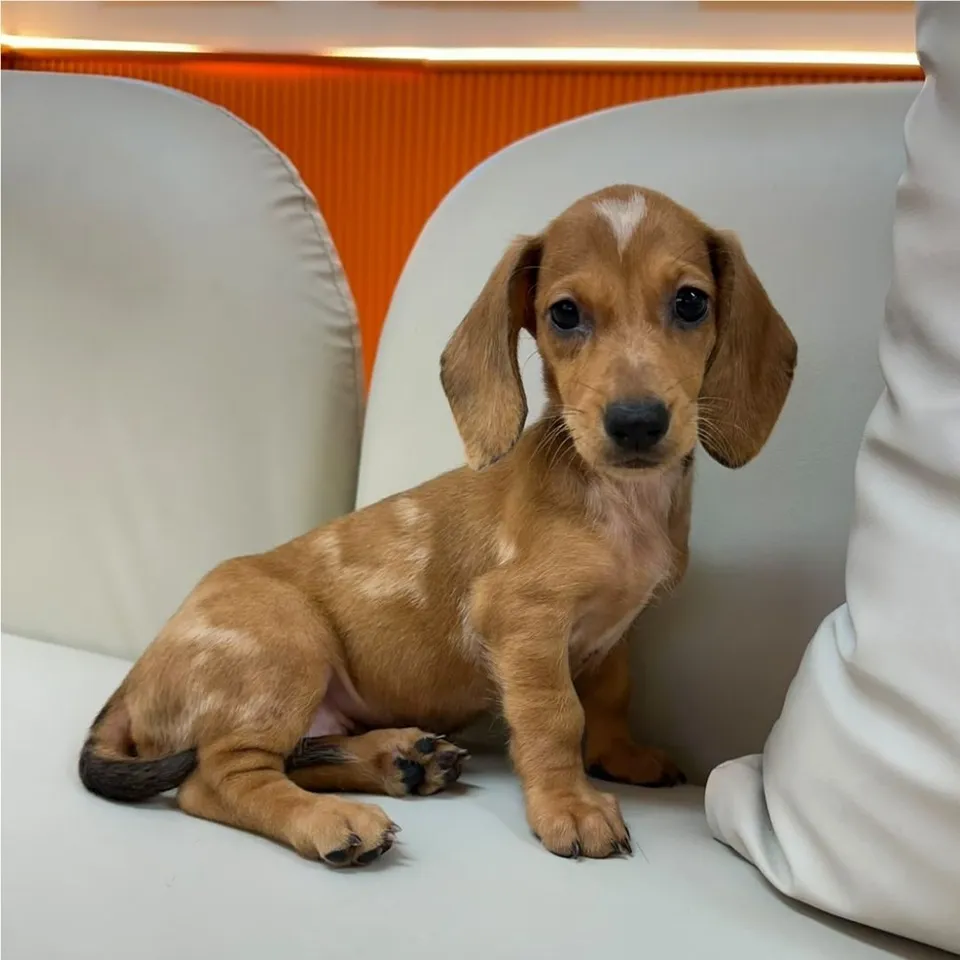
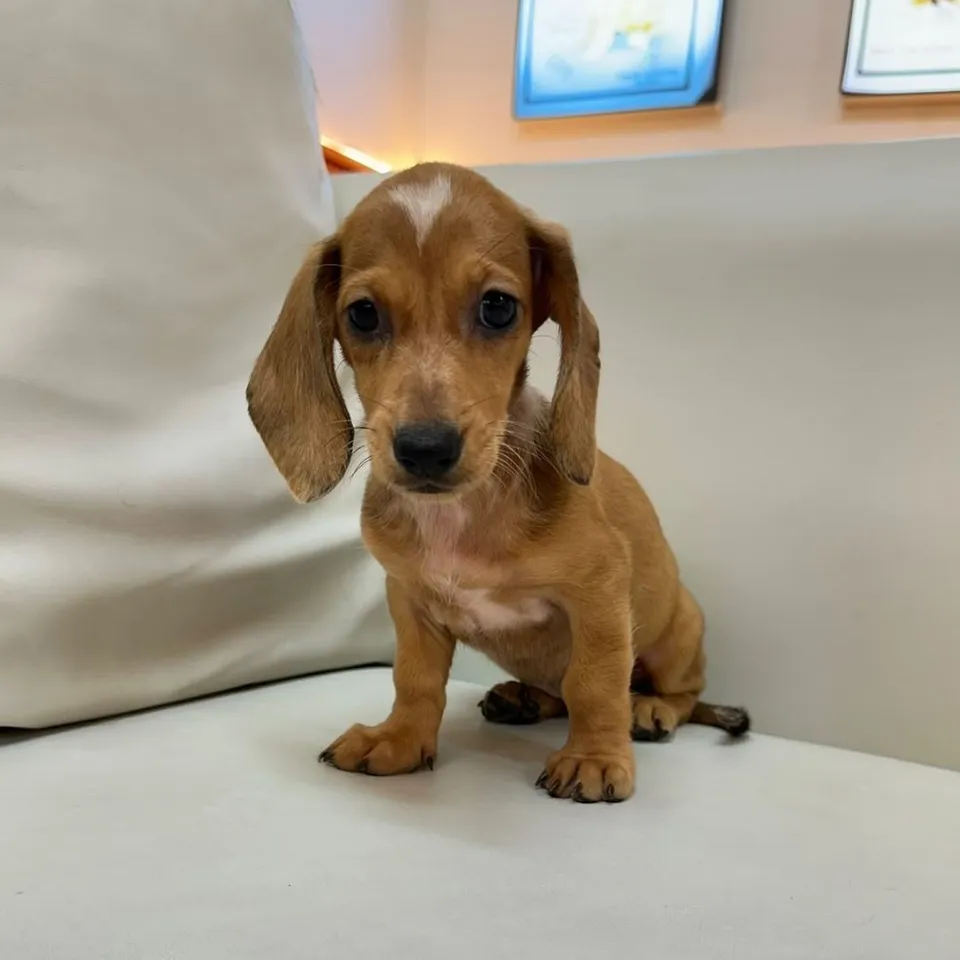
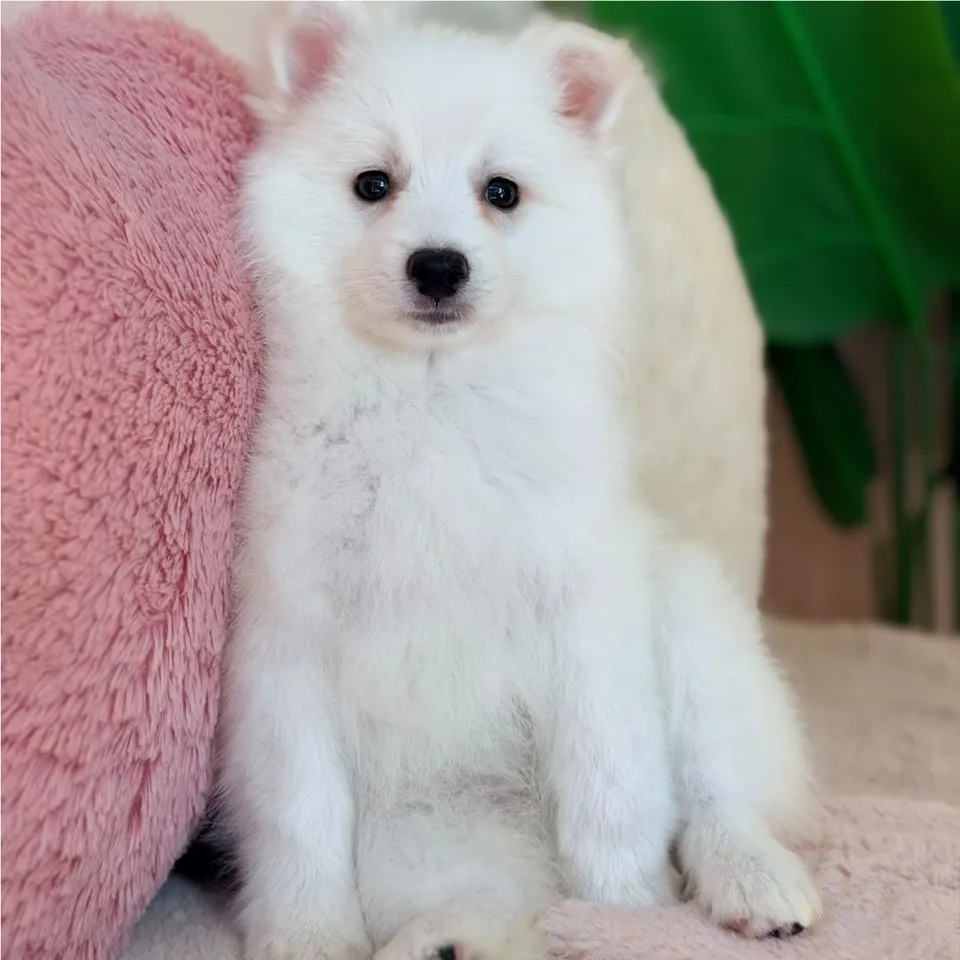
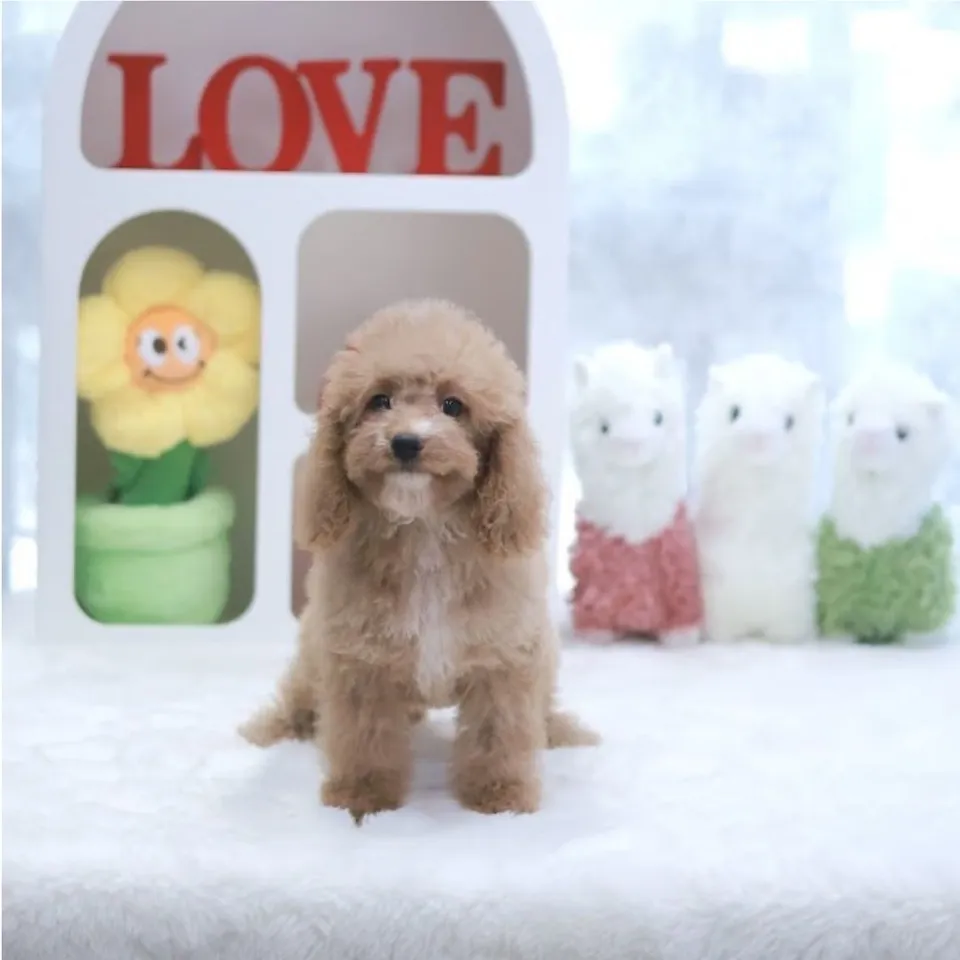
Real puppies at the farm today, photographed and priced, from the breeds above. Message us about one and we will send video the same day.

Recently placed

These Cavaliers have already gone home. They are here so you can see the colours our litters arrive in, not as available stock.
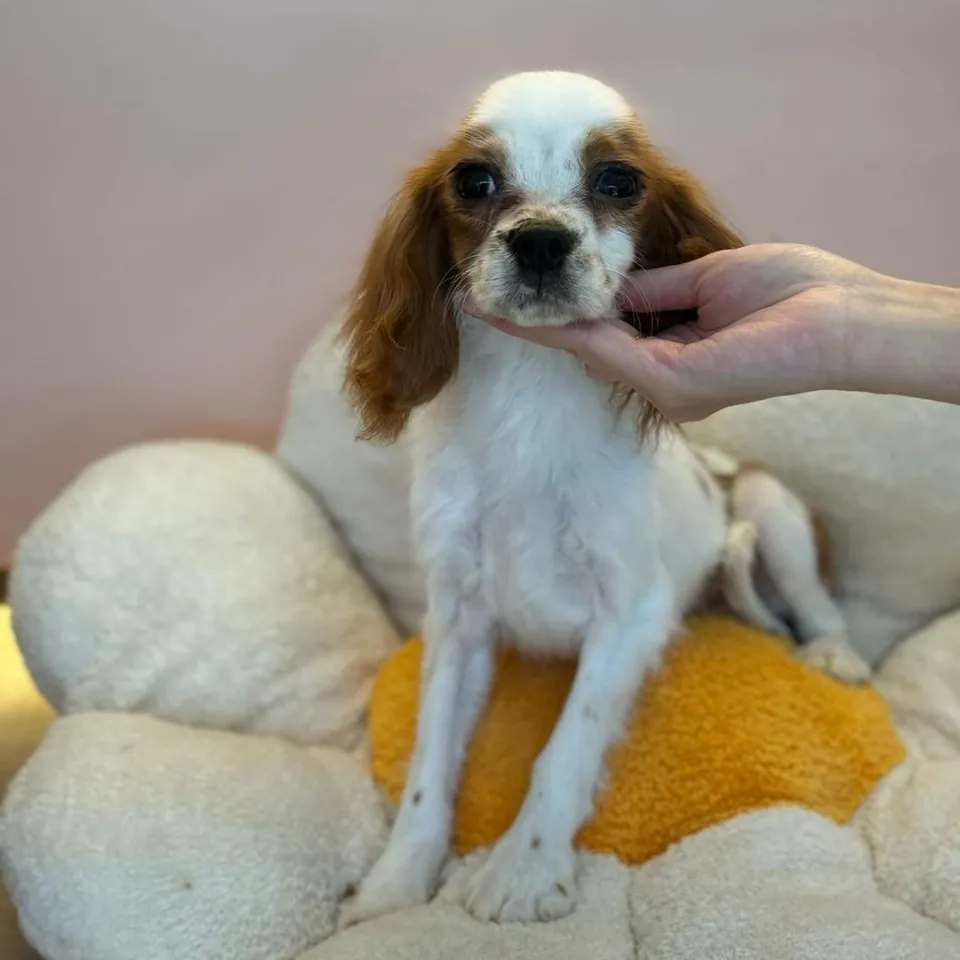
Kaya, a Cavalier King Charles Spaniel puppy placed with a Singapore family
Kaya
Blenheim Cavalier King Charles Spaniel puppy
MaleHDB approved
Went home at $1,300
Ask Similar Puppy

What a Cavalier King Charles Spaniel looks like

Nine illustrations of the breed: the coat colours a Cavalier King Charles Spaniel comes in, the size it grows to, and the coat between grooming appointments. These are drawings of the breed, not photographs of puppies for sale. Every puppy we really have is photographed and listed on the availability page.


The three facts that decide this breed for a Singapore buyer

Price: $5,588–$6,588
Published per breed before you enquire. Blenheim, tricolour, black and tan and ruby all sit in the same band.
Housing: HDB-approved
The King Charles Spaniel is HDB-approved and sits on the approved breed list at 5–8 kg, one dog per flat, with a valid AVS dog licence.
Health: the heart
Mitral valve disease is recognised in this breed. It is the question to ask a breeder, and the reason for an annual check from middle age.

How much is a Cavalier King Charles Spaniel in Singapore?

A Cavalier puppy costs $5,588–$6,588 from an AVS-licensed seller in Singapore. That price includes vaccinations to date, deworming, a vet health check, a microchip, health certification and ancestry records. Age, sex and litter move a puppy inside the band, and coat colour does not.

What a Cavalier puppy price includes

The King Charles Singapore price on this site is published before you enquire, and every one of our King Charles Cavalier puppies carries the same six items.

Every Cavalier King Charles Spaniel Singapore listing on this site carries its price in public. Six things travel with the puppy, and each is a document or a procedure rather than a promise.

  • Vaccinations to date, in the booklet that goes home with the puppy.
  • Deworming, at every vet visit through the schedule.
  • A vet health check before the puppy is cleared to travel.
  • A microchip, implanted and registered.
  • Health certification and ancestry records, signed and dated.
  • Kennel club registration where the litter qualifies.
Pricing, published
$5,588–$6,588
Published price for this breed (SGD).
  • Vet health check & vaccinations to date
  • Deworming (done with every vaccination visit)
  • Health certification & ancestry records
  • Microchipped before homecoming
  • Door-to-door delivery available
WhatsApp for availability

Where a Cavalier’s yearly cost actually goes

Recurring yearly costs for a Cavalier King Charles Spaniel in SingaporeGrooming is the largest routine line at fifty to a hundred and twenty dollars a session. Routine vet care including the annual heart check follows. Food sits at the low end of the monthly band, and the dog licence is the smallest line.Grooming$50 to $120 a sessionVet and heartyearly, from middle ageFoodlow end of the bandLicence$15 a year sterilised
The recurring lines for a 5 to 8 kg silky-coated companion in Singapore. The annual heart check is the line specific to this breed and the one worth protecting in a budget. Source: the cost bands published on this site's price hub.

What a Cavalier costs to keep, every month

Recurring costs for a Cavalier King Charles Spaniel in Singapore
LineTypical costWhat moves it
Grooming$50 to $120 a sessionA silky coat brushed rather than cut, plus the ear feathering
FoodThe low end of the $30 to $120 a month bandA 5–8 kg dog with moderate needs
Heart and routine vetThe line specific to this breedAn annual heart check from middle age is the whole early-warning system
AVS dog licence$15 a year sterilised, $90 if notDuration and sterilisation status, less a 10% online rebate

Our price hub publishes what a Cavalier King Charles Spaniel costs here to buy and to keep, breed by breed.

The heart: what to ask, and what screening actually means

Mitral valve disease is the defining health fact of this breed. It is a degenerative condition of a heart valve, it is progressive, and it is managed rather than cured. Every honest conversation about a Cavalier starts here.

We publish no incidence figure and no age-of-onset figure, because we do not hold numbers we can stand behind. What we can give you is the set of questions that separates a breeder selecting for hearts from a seller who has never looked.

The heart conversation, in four questions

The four heart questions to ask a Cavalier breederHave the parents had their hearts examined. By whom, and when. May I see the results. And what does the breeder do when a result is not clear. Each answer is a document or a decision rather than a reassurance.1. Examined?have both parents had their hearts checked2. By whom?and when, most recently3. May I see?the results, not a description of them4. And if not clear?what the breeder does next
Four questions, in order. A breeder selecting for hearts answers all four without hesitating. Any finding is interpreted by your own vet, not by a page. Source: the breed health notes published on this site.

Cavalier King Charles owners have one routine that matters more than any other, and it is simple: a vet listening to the heart once a year from middle age. A murmur heard early is a dog whose condition can be monitored and managed from the start rather than discovered late.

  • What a vet listens for: a heart murmur, which is the earliest audible sign and the reason the annual check exists.
  • Signs worth acting on: a cough that appears at rest, tiring on walks the dog used to manage, or faster breathing while asleep.
  • What to do: see your vet rather than wait. Early is better than late in anything progressive.
  • Who interprets it: your own vet. Nothing on this page is a diagnosis or a treatment plan.

Syringomyelia: the second word to know

The second inherited condition recognised in this breed is separate from the heart, and almost nobody selling Cavaliers mentions it. It involves fluid-filled cavities developing within the spinal cord.

A buyer who has never heard the word cannot ask about it, which is the only reason it is on this page. Ask whether either parent has shown signs, and know what those signs look like.

  • What an owner might notice: persistent scratching towards the neck and shoulder, often without contact.
  • Also: sensitivity around the head or neck, and discomfort that does not fit an obvious cause.
  • What to do: a vet, and say the word, because it changes what they look for.
  • What we do not publish: a prevalence figure, because we do not hold one we can stand behind.

How long do Cavaliers usually live?

Our own breed data gives 12–15 years, and that is the figure we publish rather than an average from somewhere we cannot check. The heart is what moves it in either direction.

That is not a reason to avoid the breed. It is a reason to buy from someone who screens, and to book the annual check rather than assume the dog is fine because it looks fine.

What dogs need to be muzzled in Singapore?

This appears in a lapdog's search results because buyers are checking what rules apply to dogs in public. AVS maintains requirements for a list of specified dogs, which must be muzzled and kept on a leash in public places.

The Cavalier King Charles Spaniel is not one of them, and neither are the other companion breeds on this site. The list changes from time to time, so check the current version with AVS rather than trusting any page to be up to date on the detail, including this one.

  • Two different rules: the specified-dog requirements are about behaviour in public, and HDB's approved list is about which breeds may live in a flat.
  • Where to check housing: whether HDB approves a Cavalier King Charles Spaniel, which we keep alongside the breeds we sell.
  • Where to check the specified list: AVS, which publishes it and updates it.
  • What applies to every dog: a valid AVS dog licence, and a microchip.
A Cavapoo, the Cavalier and Poodle cross Singapore buyers weigh against the purebred

What are the negatives of a Cavalier King Charles Spaniel?

Written by a seller, so read the right-hand column with that in mind: it is the one that costs us sales when it is honest.

Cavalier King Charles Spaniel pros and cons for a Singapore household
ProsCons
TemperamentGentle, affectionate, superb with children and strangersNeeds company constantly, and does badly alone
HousingHDB-approved and small enough for any flatOne dog per flat still applies
NoiseQuiet by small-breed standardsSeparation barking if left too long
CoatSilky, brushed rather than cutSheds more than it looks like it should, and the ear feathering mats
ExerciseModerate needs, happy in a flatNot a long-distance walking companion, here especially
HealthOtherwise robust and long-lived for its sizeThe heart, and syringomyelia

Do Cavaliers like to sleep with their owners?

Famously, and it tells you something important. This breed was developed purely as a companion, and it would spend every hour of the day in contact with a person if allowed.

Read that as a requirement rather than a charming quirk. A Cavalier in a household that is out ten hours a day is a dog whose main need is not being met, and it shows up as barking, clinginess and unhappiness rather than as damage.

Can Cavalier King Charles go on long walks?

Moderate exercise suits this breed better than distance, and in Singapore there are two reasons to keep walks short and cool: the climate, and a breed with a recognised heart risk.

Watch the dog rather than the clock. Slowing, wanting to stop, or lagging on a familiar route is information, and in this breed it is worth mentioning to your vet rather than pushing through.

Do Cavaliers bark a lot?

No, and this is one of the quieter small breeds you can keep in a flat. A Cavalier announces the door and then settles, which is a manageable amount of noise in a block.

The exception is separation. A breed this attached, left alone all day, will make itself heard, and that is a household arrangement problem rather than a temperament one.

Which Cavalier color is the rarest?

All four recognised colours are standard, and none of them is rare enough to justify a premium. Blenheim, tricolour, black and tan and ruby sit in the same published band here.

A seller pricing one colour above another is charging for a photograph rather than a dog, and in a breed with a real health question to spend money on, that is the wrong place to spend it.

Is it worth getting a Cavalier King Charles Spaniel?

For the right household, yes, and this page has spent its words making sure you know which household that is.

Which households a Cavalier suits
HouseholdVerdictWhy
Someone home most of the day, flat or landedIdealThe company need is met, and everything else about the breed is easy
Family with childrenExcellentGentle, patient and sociable with almost everyone
First-time ownersGoodOne of the easiest small breeds to live with, provided the heart is understood
Household out ten hours a dayNot recommendedThe one thing this breed cannot do is be alone
Anyone wanting a running companionWrong breedModerate exercise, a warm climate and a heart to look after

Health: what to ask about before you pay

Cavaliers live 12–15 years. Four things are worth asking about, and the first two are the ones covered in depth above.

Heart
Mitral valve disease. Ask the four questions above, and book an annual check from middle age.
Syringomyelia
Recognised in the breed and separate from the heart. Ask whether either parent has shown signs, and know what the signs are.
Ears
Ear infections are the routine risk: long feathered drop ears in Singapore humidity need weekly checks and proper drying after any bath.
Knees and eyes
Patellar luxation is the small-breed joint risk, and inherited eye conditions are worth asking about. Ask what the parents were examined for.

What a good seller answers without hesitating

  • What is your AVS licence number, and may I look it up?
  • Have both parents had their hearts examined, by whom and when?
  • May I see those results?
  • Has either parent shown any sign of syringomyelia?
  • May I meet the puppy in person, and see the vaccination booklet and ancestry records?

What comes with every Cavalier puppy

Vaccinations to date
Core doses at weeks 6 and 8 before homecoming, recorded in the booklet.
Deworming
Done at every vet visit through the schedule.
Vet health check
A licensed vet clears the puppy before it travels.
Microchip
Implanted and registered, and tied to your AVS dog licence.
Health certification
Written, signed and dated.
Ancestry records
Plus kennel club registration where the litter qualifies.

When your puppy comes home

The timeline is set by the vaccination schedule, not by us. Core vaccinations run at weeks 6, 8 and 12, with an optional dose at week 16, and deworming happens at every visit.

  • Weeks 6 and 8: the first two core doses, at the farm.
  • Around week 9: homecoming, a week after the second dose.
  • Week 12, and optionally week 16: with you and your own vet.
  • Year one onward: an annual booster.

The first month with a Cavalier

  • Practise short absences early: five minutes, then twenty, before the habit forms in either direction.
  • Start the ear routine on day one: a weekly look and a proper dry after every bath.
  • Handle for grooming daily: the feathering on the ears and legs mats if nobody touches it.
  • Ask your vet to listen at the first visit: a baseline is useful even in a puppy.

How to buy a Cavalier ethically in Singapore

  1. 1
    Check the licence. Cavalier King Charles Spaniel Singapore breeders are licensed individually, so search the AVS public registry for the seller's number. Ours is BR25052, held by William Goh Pet Farm LLP.
  2. 2
    Ask the four heart questions. They are in the figure above. A breeder selecting for hearts answers all four without hesitating.
  3. 3
    See the puppy in person. Viewing is by appointment, and it lets you watch an adult in the line move and breathe.
  4. 4
    Read the paperwork before you pay. Vaccination booklet, health certification, ancestry records and any screening results.

Adoption, honestly

A Cavalier King Charles Spaniel Singapore adoption or rescue listing turns up from time to time. Dogs of this breed come through rehoming as adults, and in this breed that carries a specific advantage: an adult heart is a known quantity in a way a puppy's is not.

Who a Cavalier is not right for

  • 1 Households out all day. The one thing this breed genuinely cannot do is be alone.
  • 2 Anyone who cannot budget for heart care. An annual check, and possibly more later.
  • 3 Anyone wanting a running companion. Moderate exercise, warm climate, and a heart to look after.
  • 4 Anyone who cannot live with shedding. A silky coat still drops hair.

About the breed

Named for King Charles II, who adored the breed, the Cavalier King Charles Spaniel was bred as a gentle toy spaniel and constant royal companion.

Cavalier King Charles Spaniels were developed purely for company, with no working job at all, and that is exactly what you get: an affectionate, undemanding, people-shaped dog. The health question on this page is the other half of that history, and it is why the screening matters.

Cavalier compared with the breeds buyers weigh against it

All four are HDB-approved, so the choice comes down to coat, company and which health question you would rather be managing.

Cavalier compared with the Cavapoo, Shih Tzu and Bichon Frise
BreedHDB flatSheddingThe thing to manageTypical range
Cavalier King CharlesYes, approvedMediumThe heart$5,588–$6,588
CavapooYes, approvedLowGrooming, and the same heart line$3,288–$5,988
Shih TzuYes, approvedLowA flat face in the heat$3,988–$5,288
Bichon FriseYes, approvedVery lowGrooming, and company$3,888–$5,988

The closest comparison is the cross of this breed with a Poodle. Read how a Cavapoo compares as the cross: a lower-shedding coat, more grooming, and the same question about the Cavalier side of the family.

Where the figures on this page come from

  • AVS licence BR25052 and how to verify it: the NParks public registry of AVS-licensed pet breeders, checked 25 August 2026.
  • HDB-approved breeds and one dog per flat: HDB's own pet rules, confirmed in a browser on 25 August 2026 (the host blocks automated requests).
  • The muzzling answer: AVS publishes and maintains the requirements for specified dogs. This page states only that such a list exists, that this breed is not on it, and that the current version should be checked with AVS. It does not reproduce or paraphrase the list.
  • Puppy price range, adult weight and lifespan: this site's own breed data, reviewed 25 August 2026. The lifespan given is that published range and not an average from elsewhere.
  • The heart and syringomyelia: the breed health notes maintained on this site. No incidence, prevalence or age-of-onset figure appears for either, because we do not hold numbers we can stand behind, and nothing here is a diagnosis or a treatment plan.
  • Dog licence fees: the AVS licence fee page, read 2026-08-26. The published table these figures come from was headed "before 1 September 2026" and that date has now passed. AVS has scheduled a new fee table from 1 September 2026. Re-checked on the AVS fee page on 26 August 2026: the replacement had still not been published, and the live page still showed only the "before 1 September 2026" table, last updated 31 October 2025. Treat the figures as the last published schedule and check the AVS page before relying on them.
  • Buyer-check guidance: Southend Dog Training, quoted above with links to the source videos and used for the reasoning rather than as an authority on this breed.

Figures last checked 25 August 2026.

Cavalier King Charles Spaniel questions, answered

How much is a Cavalier King Charles Spaniel in Singapore?
A Cavalier King Charles Spaniel puppy from an AVS-licensed seller in Singapore costs $5,588–$6,588. The price includes vaccinations to date, deworming at every visit, a vet health check, a microchip, health certification and ancestry records. Colour does not change it, and no colour in this breed is rare enough to.
What are the negatives of a Cavalier King Charles Spaniel?
Four, and the first is the important one. Mitral valve heart disease is recognised in the breed and is the reason annual heart checks matter. The dog needs a great deal of company and does badly left alone all day. The feathered ears need routine care in this humidity. And it sheds more than a silky coat looks like it should.
How long do Cavaliers usually live?
Our own breed data gives 12–15 years, and we publish that rather than an average we cannot verify. The heart is what moves it. A Cavalier whose heart is listened to once a year from middle age gets problems caught early, which changes both how long and how well the dog lives.
What dogs need to be muzzled in Singapore?
AVS maintains requirements for a list of specified dogs, which must be muzzled and kept on a leash in public. The Cavalier King Charles Spaniel is not one of them, and neither are most companion breeds. The list changes from time to time, so check the current version on the AVS website rather than trusting any page, including this one, to be up to date on the detail.
Is it worth getting a Cavalier King Charles Spaniel?
For a household that wants an affectionate, gentle, genuinely people-focused dog and is prepared for the heart question, yes. This is one of the easiest small breeds to live with. The honest trade is a superb temperament against a known health risk that has to be managed rather than ignored.
Do Cavaliers bark a lot?
No, not by the standards of most small breeds. A Cavalier will announce the door and then stop, and it is rarely a nuisance barker. The exception is separation: a dog that hates being alone and is left alone all day will make itself heard, which is a management question rather than a breed trait.
Are girl or boy Cavaliers better?
Neither. This is a breed where both sexes are affectionate and easy-going, and individual temperament matters far more than sex. Sterilisation removes most of the differences people ask about, and it lowers the AVS dog licence fee.
Do Cavaliers like to sleep with their owners?
Famously, yes. This is a velcro breed that was bred purely for company and would spend every hour of the day in contact with someone if allowed. It is charming, and it is also the clearest signal of how much company the breed needs, which is a great deal.
Can Cavalier King Charles go on long walks?
Moderate exercise suits the breed better than distance. In Singapore there are two reasons to keep walks short and cool: the climate, and a breed with a recognised heart risk. Watch for a dog tiring, slowing or wanting to stop, and treat that as information rather than stubbornness.
Which Cavalier color is the rarest?
All four recognised colours are standard, and none of them is rare enough to justify a premium. A seller pricing one colour above another is charging for a photograph. In our band, colour moves nothing.
What should I ask a breeder about a Cavalier’s heart?
Ask whether the parents have had their hearts examined, by whom and when, and ask to see the results rather than hear that the dogs are healthy. Then ask what the breeder does when a result is not clear. A breeder selecting for hearts will answer all three without hesitating, and a seller who has never had it done will change the subject.
What comes with a Cavalier puppy?
Vaccinations to date with the booklet, deworming at every vet visit, a vet health check, a microchip, health certification and ancestry records, plus kennel club registration where the litter qualifies.
WhatsApp us about a puppy