
 Available
$4,788–$6,500 · not HDB-approved · AVS licence BR25052 · updated October 2026
Shiba Inu Puppy for Sale Singapore
Shiba Inu puppy for sale Singapore, the short answer: $4,788–$6,500 from Puppy Singapore, an AVS-licensed seller, vet-checked, vaccinated and microchipped under licence BR25052. The breed is fully legal here and needs only the standard dog licence, but it is not HDB-approved, so it needs a condo or a landed home.
The rest of this page answers what buyers actually search: whether Shibas are allowed at all, whether HDB permits one, what a puppy costs, and whether this breed suits a house.
Available now
Shiba Inu puppies available now
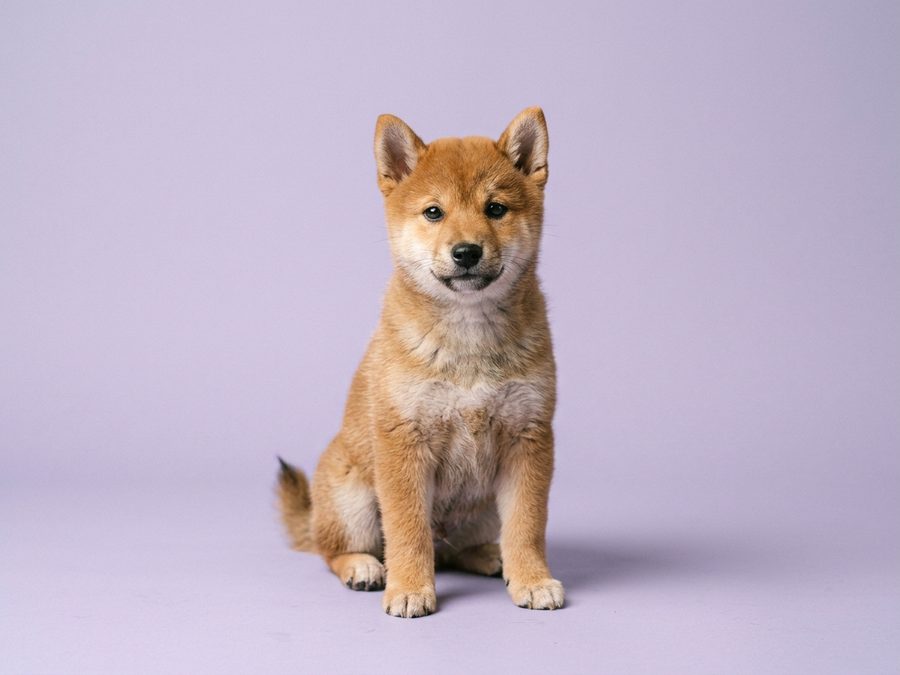
No Shiba Inu is listed here this week, and the last litter has gone home. Tell us on WhatsApp which colour and sex you are after and we will send photos and video the day the next litter arrives.
- Waitlist places are free and carry no obligation.
- Meanwhile, this week's list, breed by breed sits on one page.
With us this week, for a condo or landed home
These are not Shiba Inus and they are not a substitute for one. They are the breeds we have puppies of today that suit the same kind of home, counted from the same roster the availability page renders.
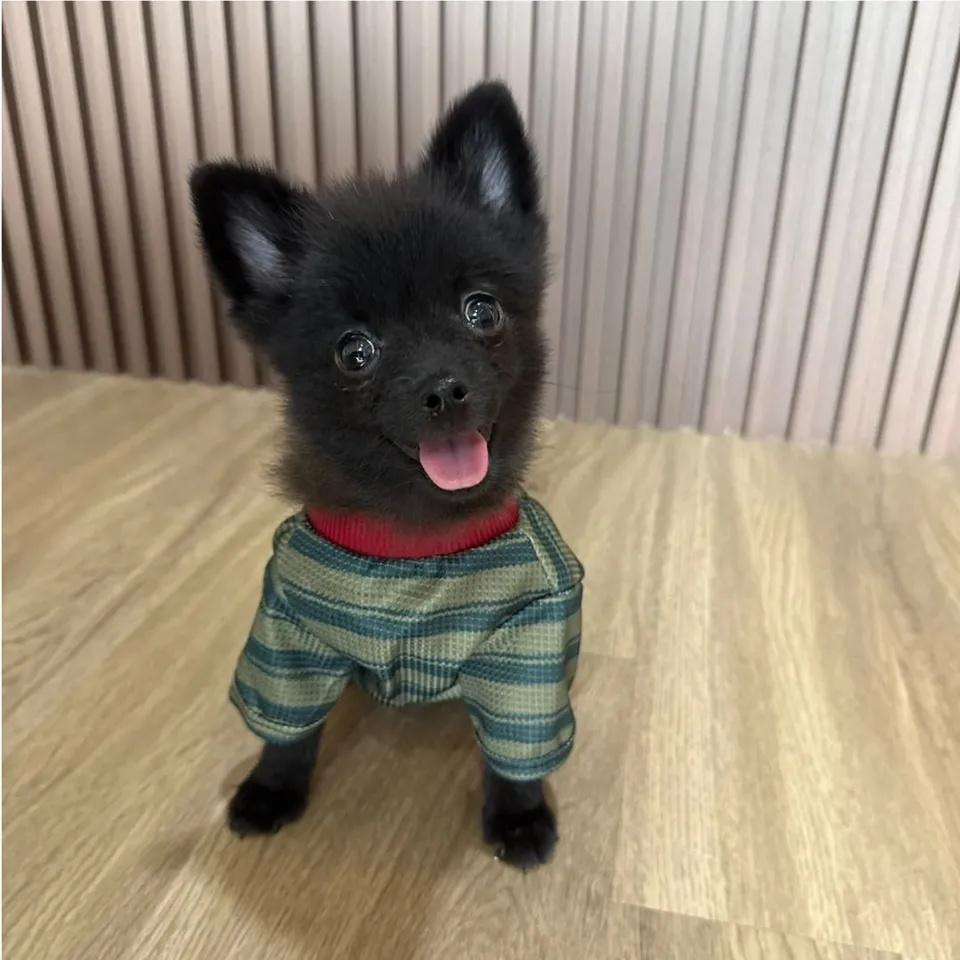
- What a Pomsky is like1 puppy with usSmall, condo or landed
- Corgi puppies with us3 puppies with usMedium, condo or landed
- Meet our Golden Retrievers7 puppies with usLarge, condo or landed
The puppies that come closest
Real puppies at the farm today, photographed and priced, from the breeds above. Message us about one and we will send video the same day.
Available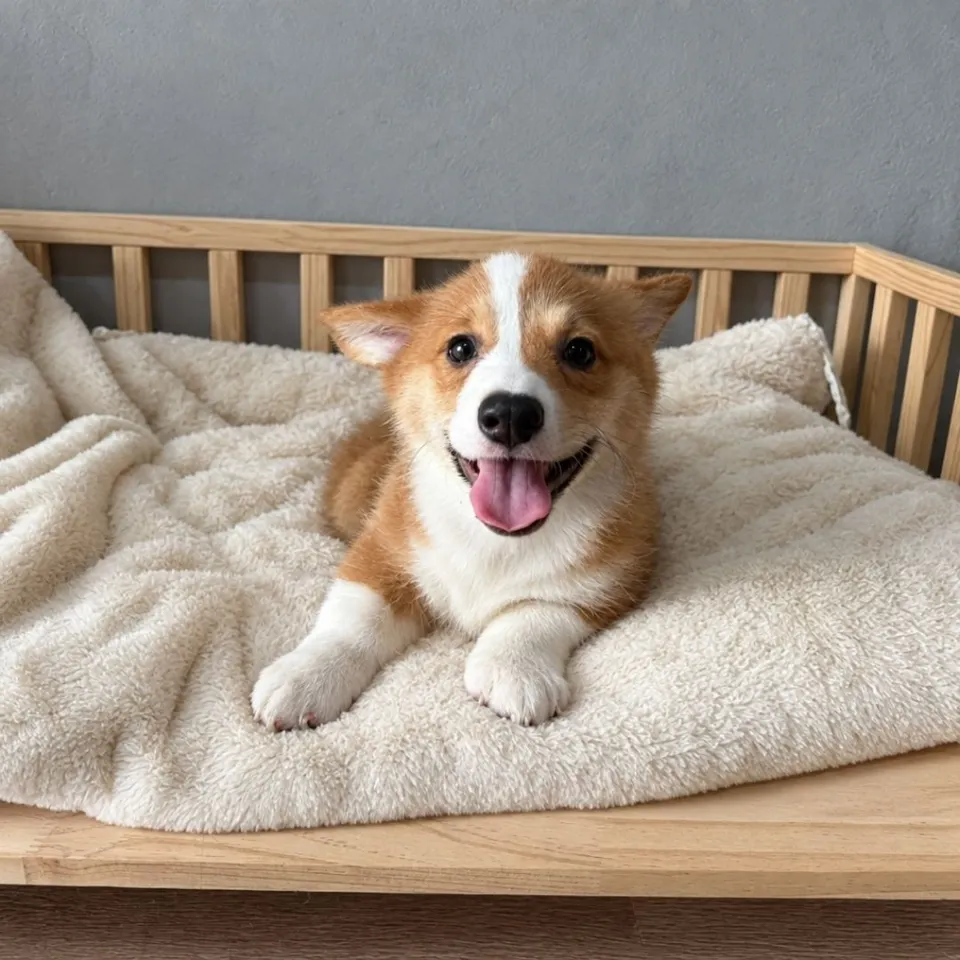 Available
Red White Corgi puppy
Male3 monthsNot HDB
$5,000
Ask about Red White Corgi puppyPhotos and price for Red White Corgi puppy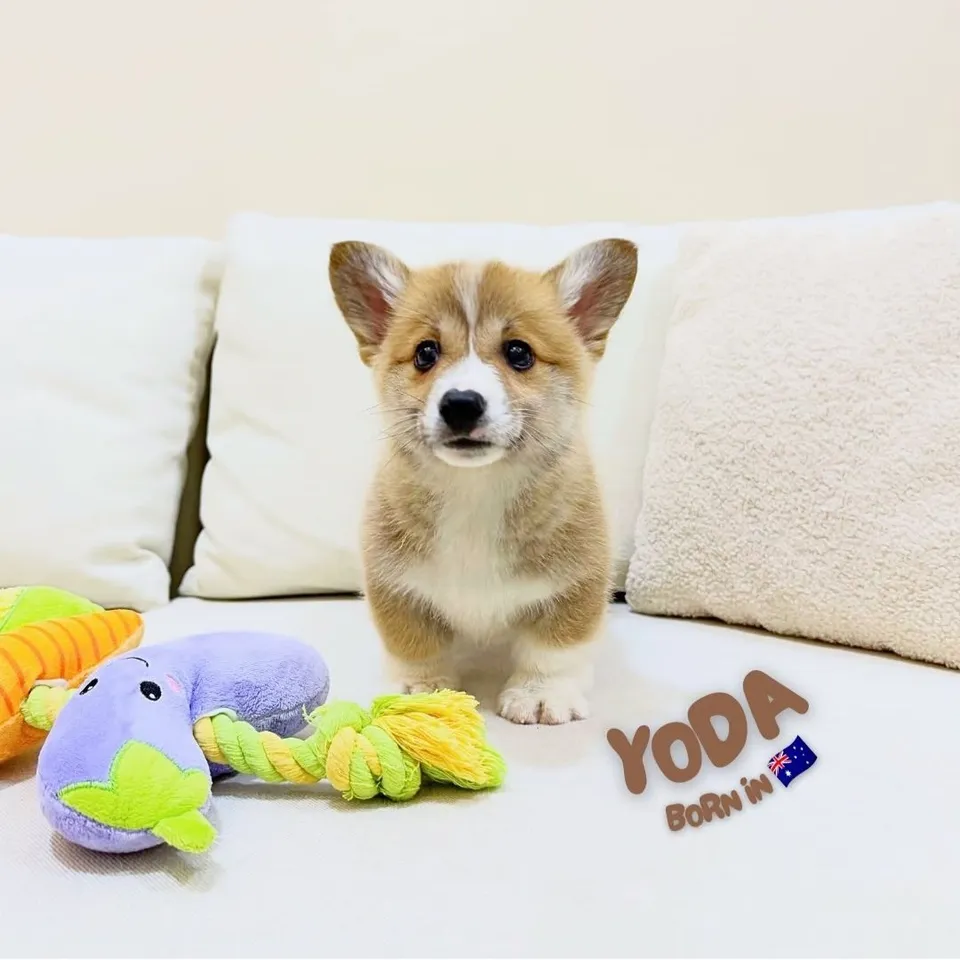 Available
Butterfly
Sable Corgi puppy
Male4 monthsNot HDB
$6,500
Ask about ButterflyRead Butterfly's listing in full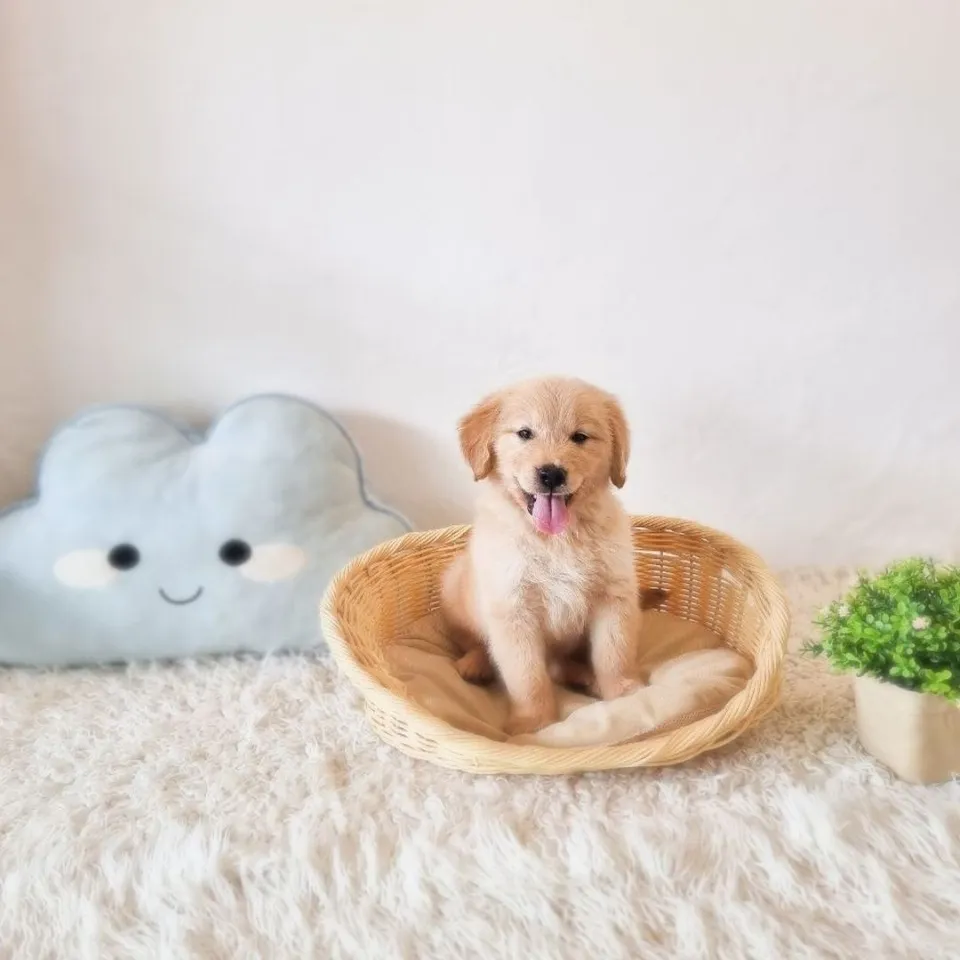 Available
Golden Retriever puppy
Male3 monthsNot HDB
$7,500
Ask about Golden Retriever puppyGolden Retriever puppy: photos, price and age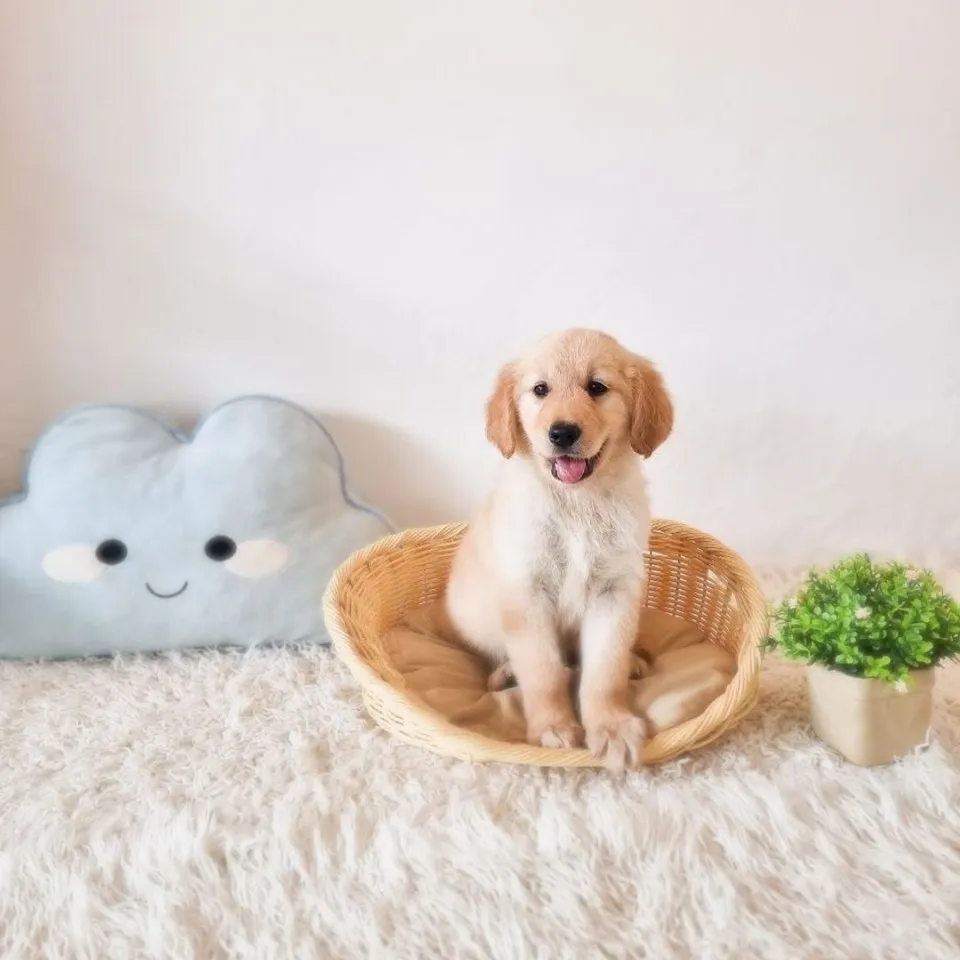 Available
Golden Retriever puppy
Male3 monthsNot HDB
$7,500
Ask about Golden Retriever puppyGolden Retriever puppy's pageRecently placed
These Shibas have already gone home. They are here so you can see the coats and colours our litters arrive in, not as available stock.
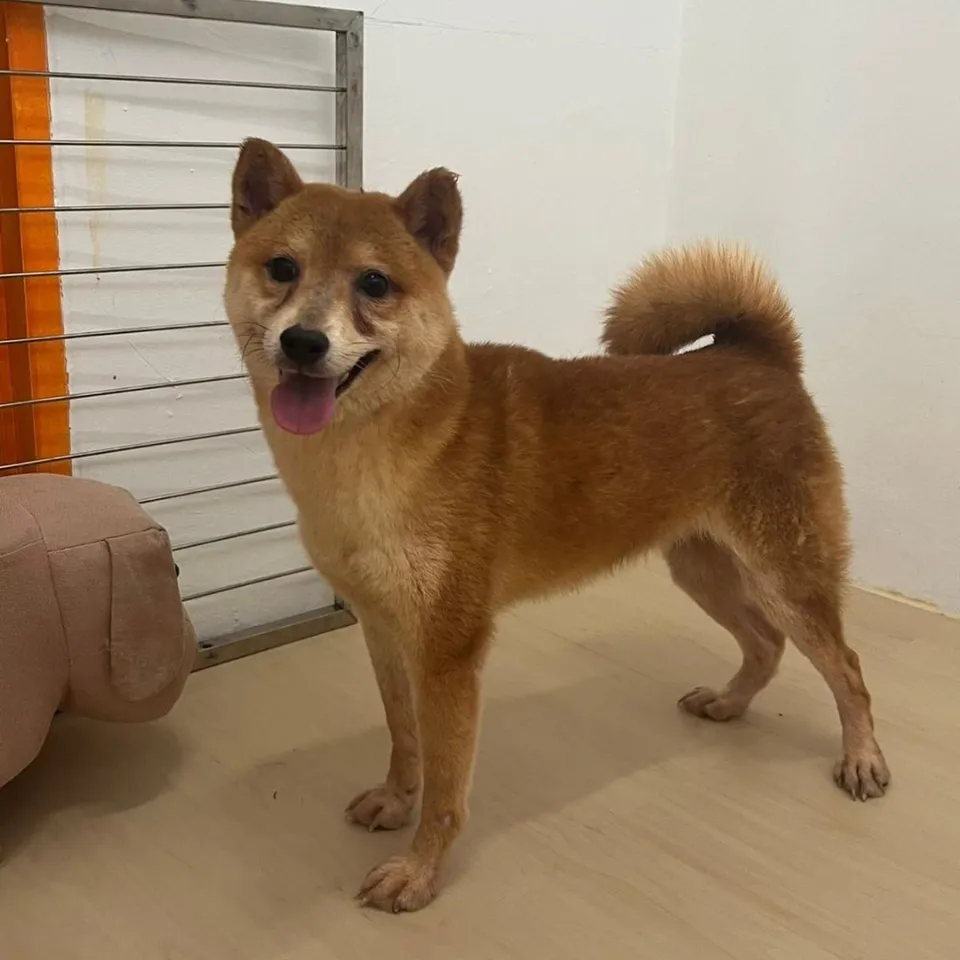
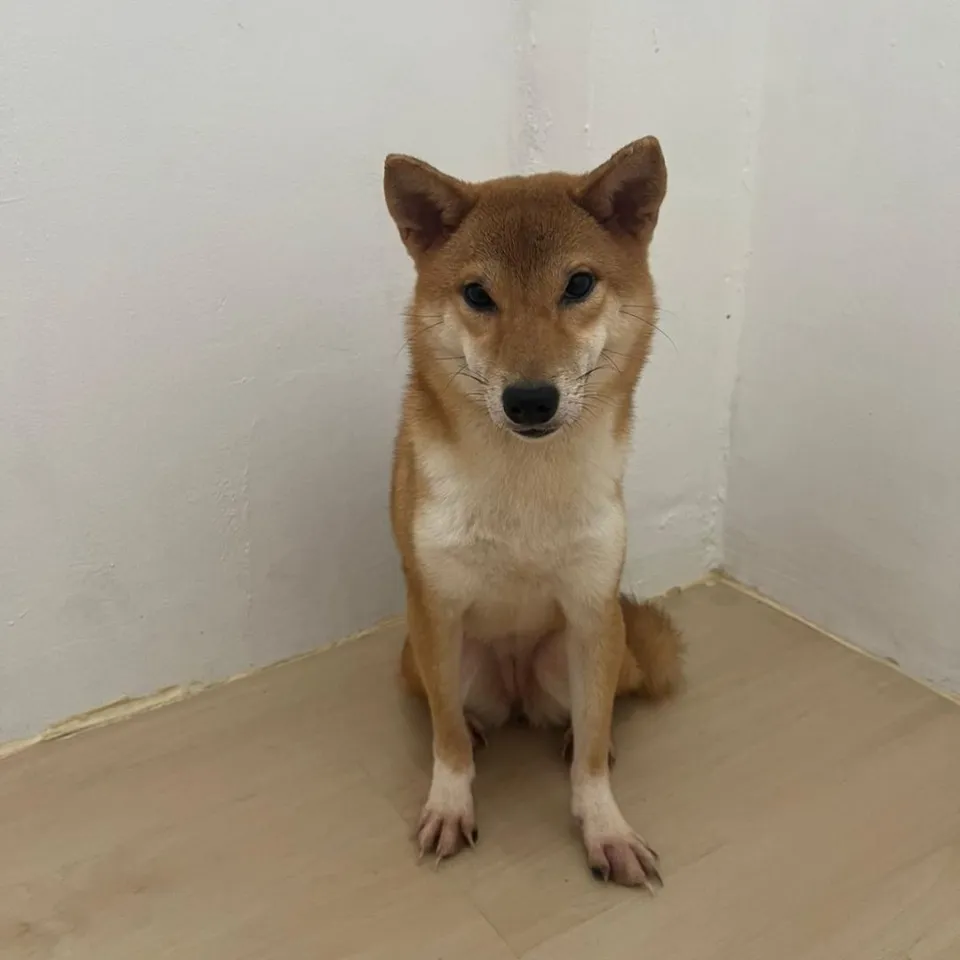


What a Shiba Inu looks like
Nine illustrations of the breed: the coat colours a Shiba Inu comes in, the size it grows to, and the coat between grooming appointments. These are drawings of the breed, not photographs of puppies for sale. Every puppy we really have is photographed and listed on the availability page.

Red coat Ask about similar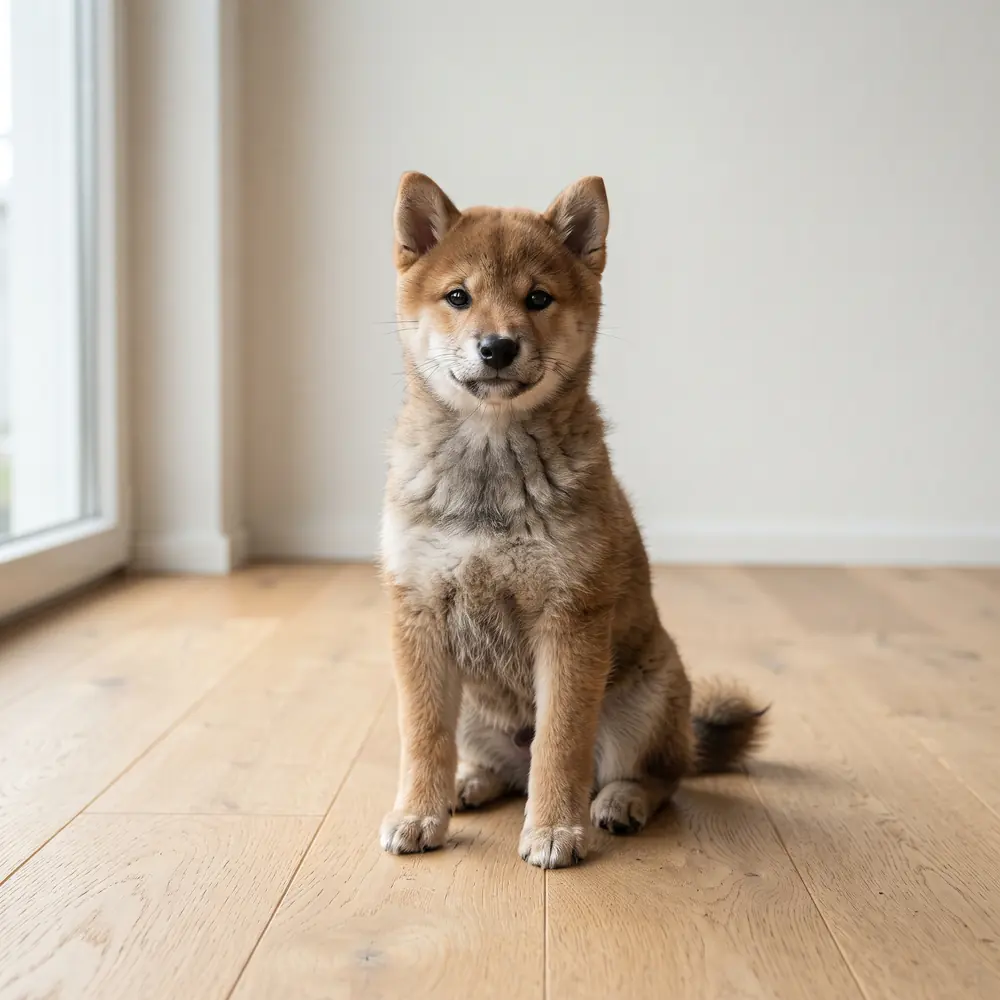
Sesame coat Ask about similar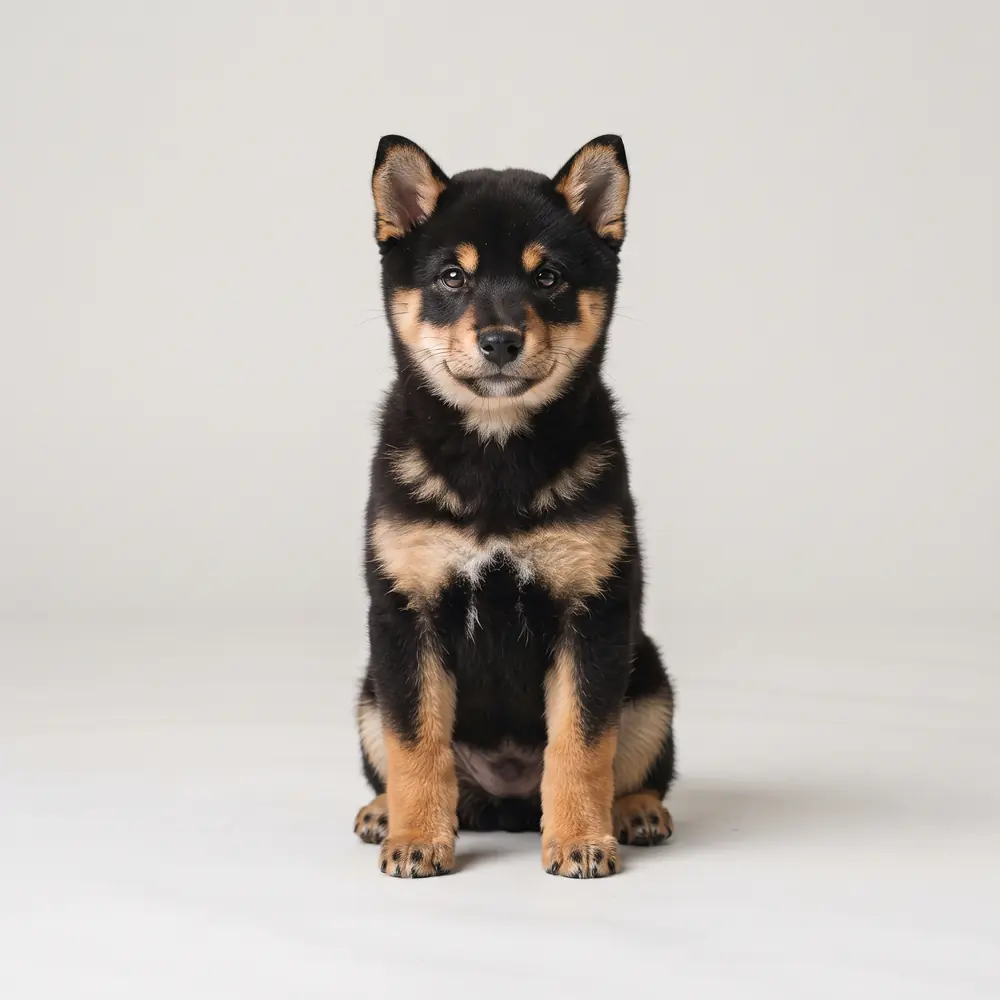
Black & Tan coat Ask about similar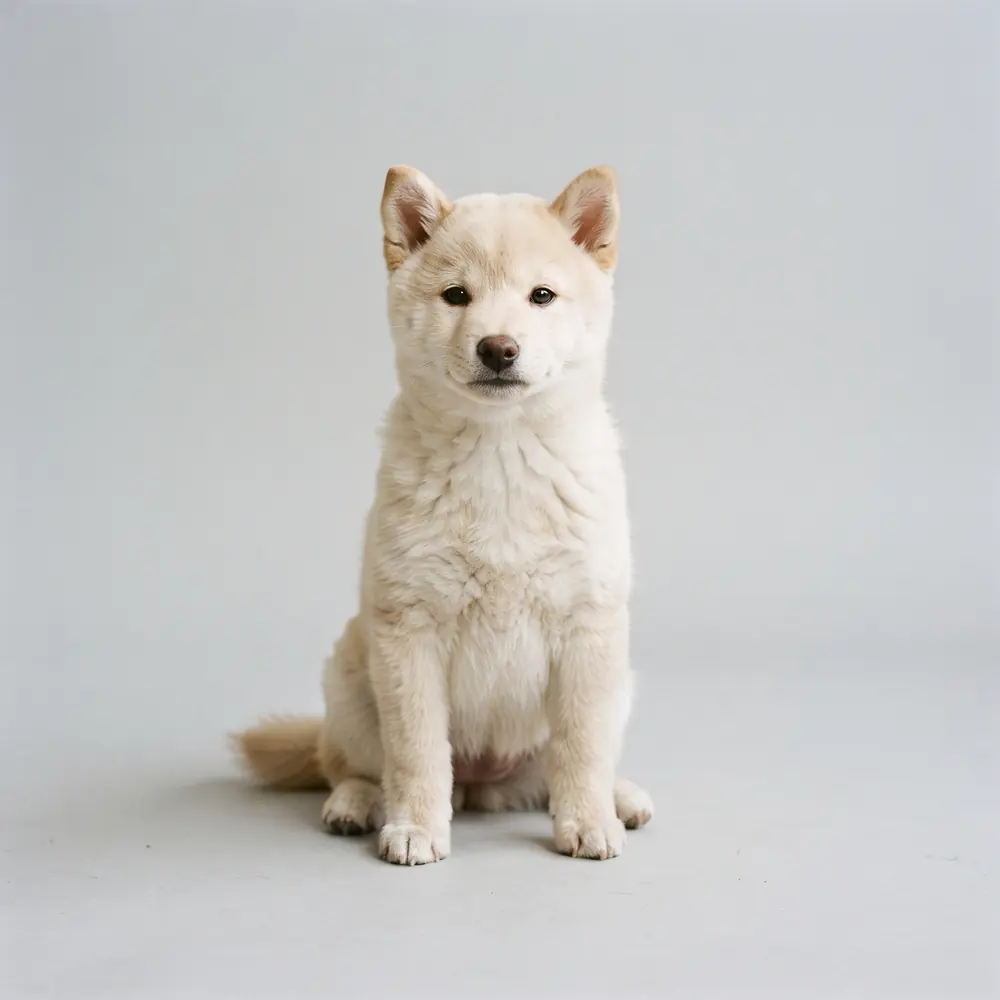
Cream coat Ask about similar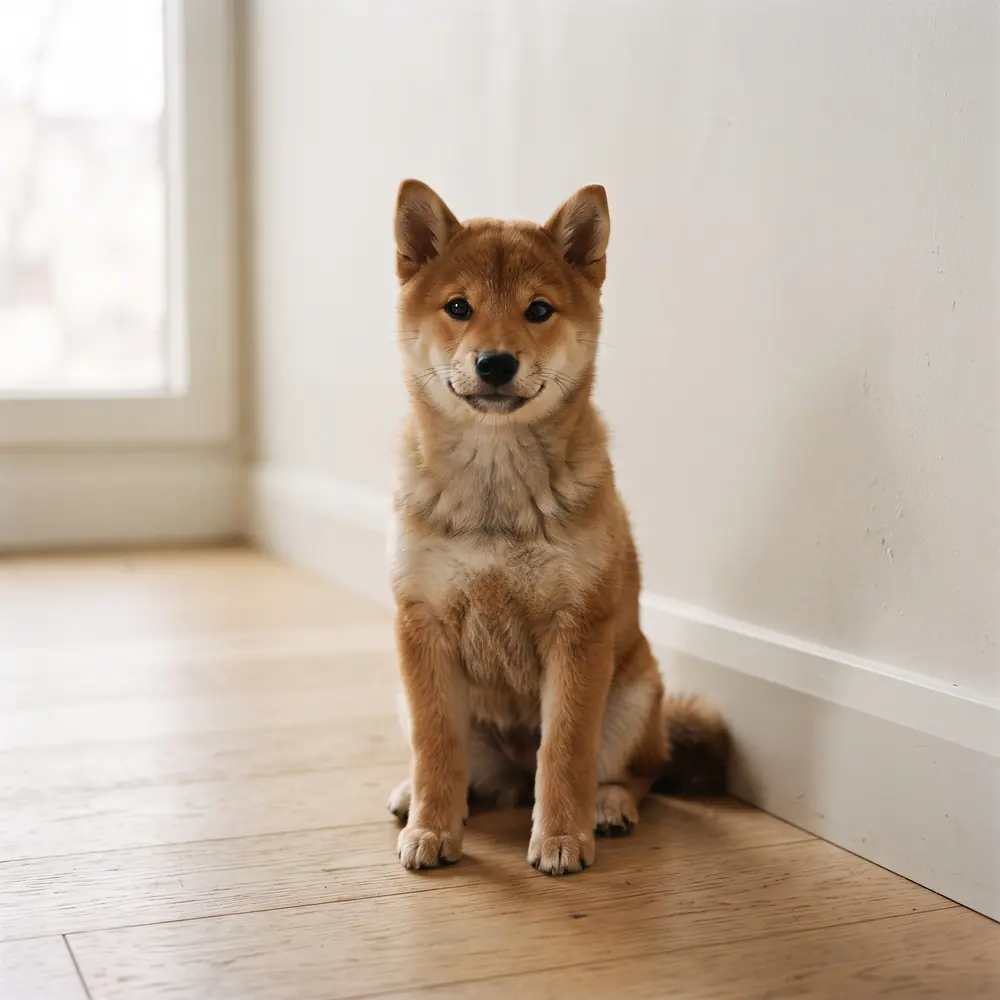
Red Sesame coat Ask about similar
Red coat Ask about similar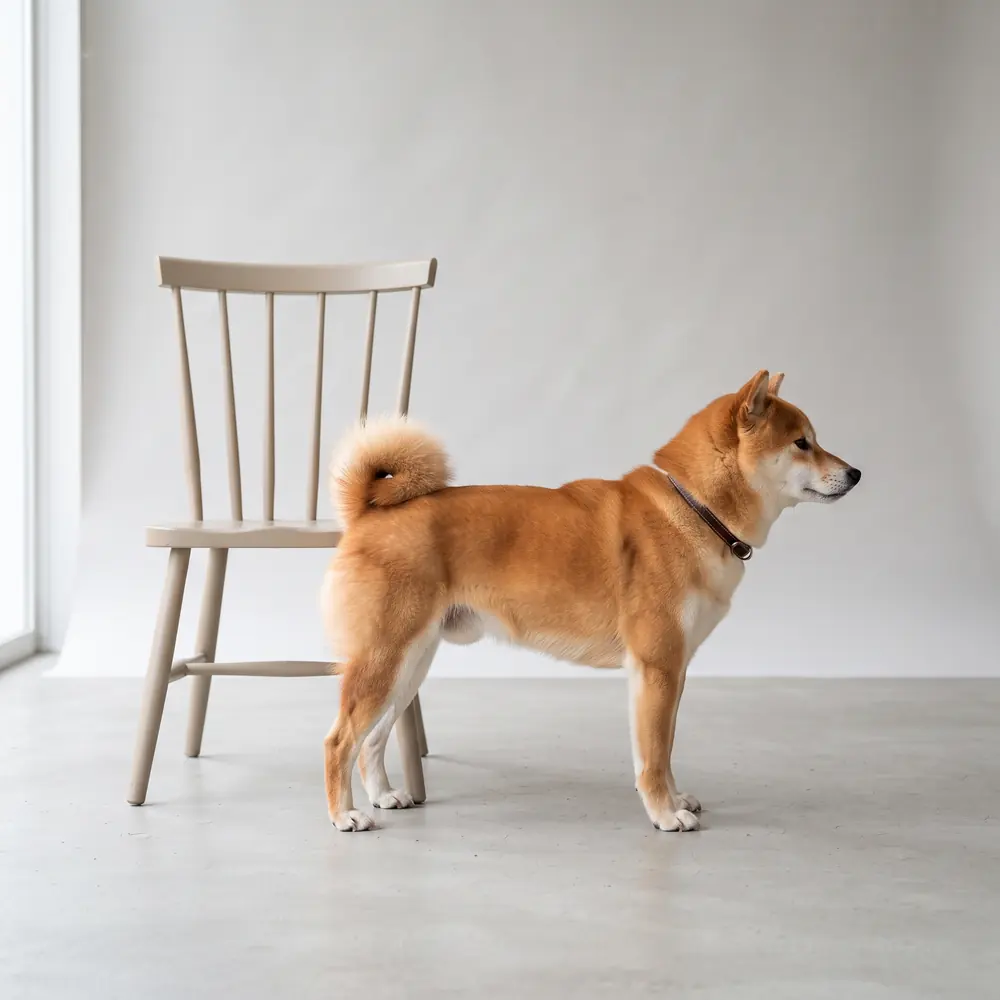
Grown, about 8–11 kg Ask about similar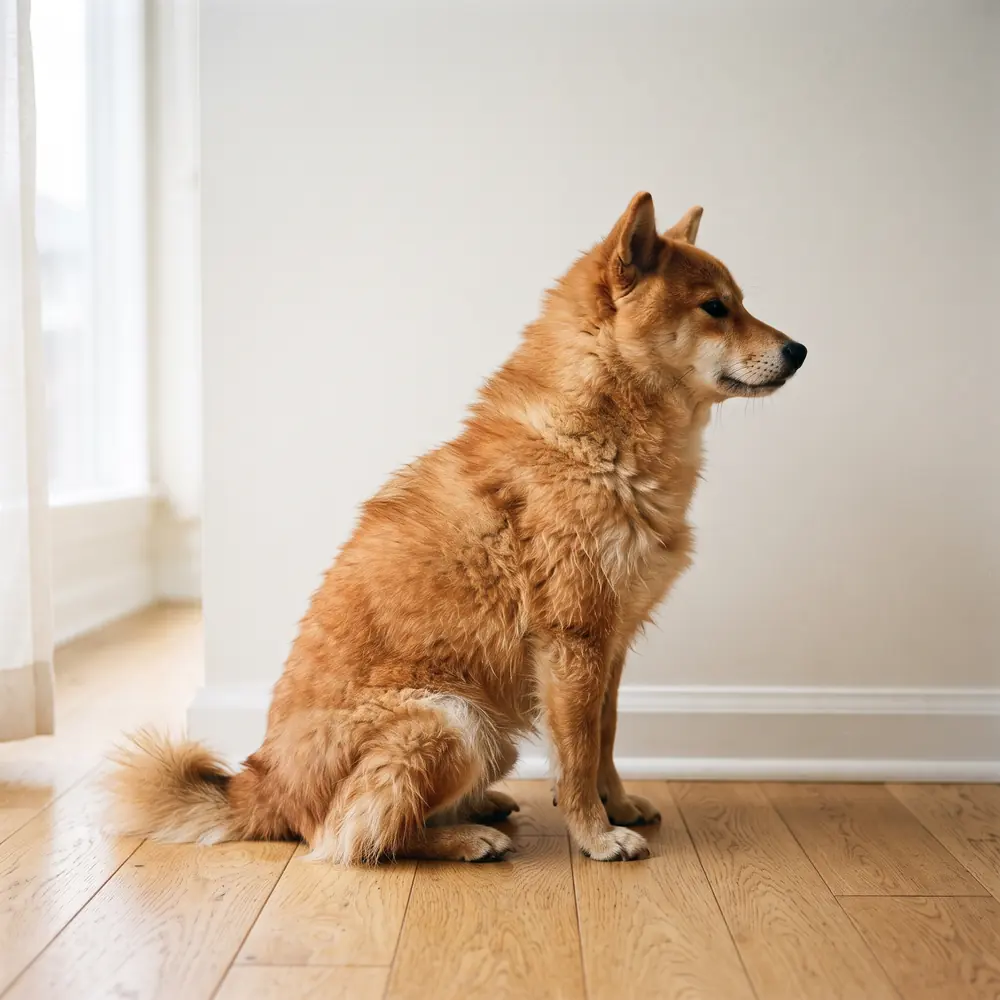
The coat between grooms Ask about similar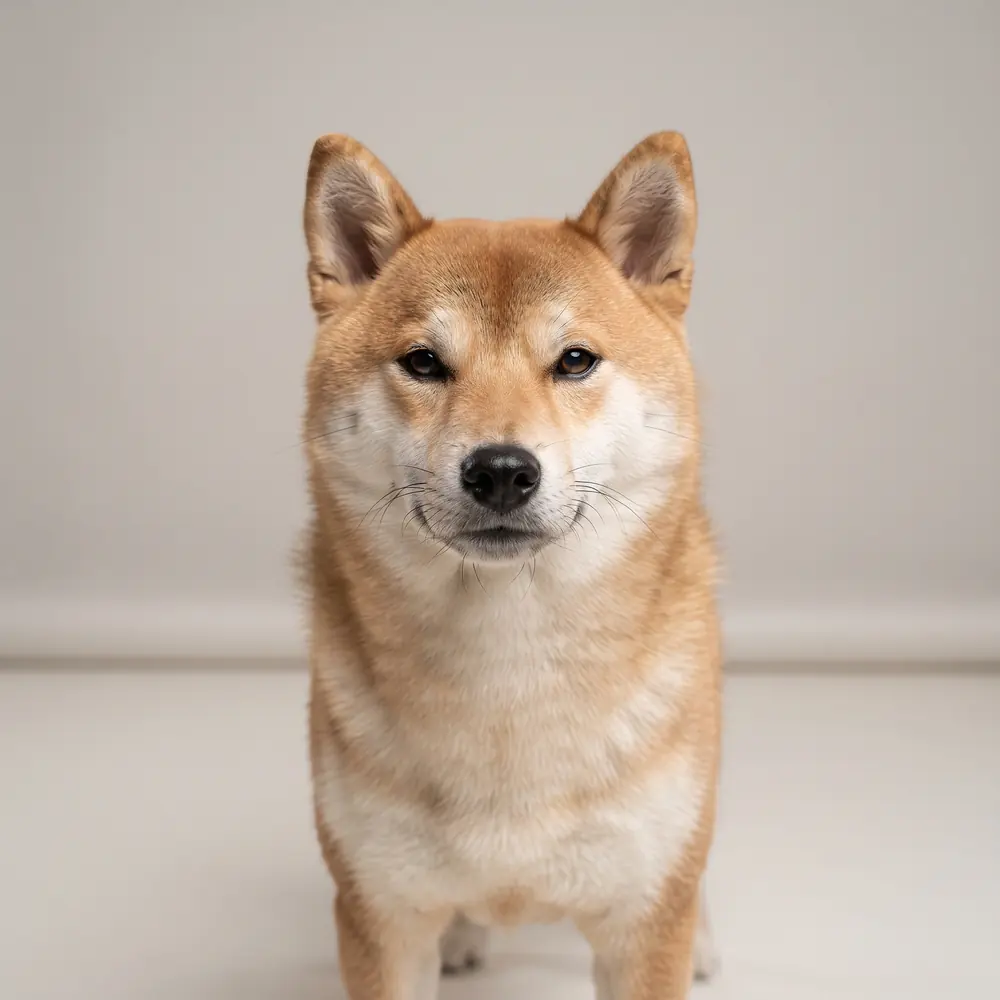
Head, ears and muzzle up close Ask about similar
The three facts that decide this breed for a Singapore buyer
Price: $4,788–$6,500
Above our site floor, for reasons of litter size and import history rather than fashion. Colour carries no surcharge here.
Housing: Not HDB-approved
Small, but not on HDB's 62-breed list. A condo or a landed home, and check the MCST by-laws first.
Temperament: independent
A primitive breed with a cat's sense of personal space. Outstanding for the right owner, difficult for anyone expecting a Labrador.
How much does a Shiba Inu puppy usually cost?
A Shiba Inu puppy costs $4,788–$6,500 from an AVS-licensed seller in Singapore. That price includes vaccinations to date, deworming, a vet health check, a microchip, health certification and ancestry records. Age, sex and litter move a puppy inside the band, and coat colour does not.
What a Shiba Inu puppy price includes
Six things travel with every puppy, and each is a document or a procedure rather than a promise.
- Vaccinations to date, in the booklet that goes home with the puppy.
- Deworming, at every vet visit through the schedule.
- A vet health check before the puppy is cleared to travel.
- A microchip, implanted and registered.
- Health certification and ancestry records, signed and dated.
- Kennel club registration where the litter qualifies.
Why this breed sits above our floor
Shiba litters are small, often three to five puppies, and the breed arrived in this market through import rather than decades of local breeding. Both push the price up, and neither is about fashion.
What does not move our price is colour. Sesame and cream are marketed at a premium in some markets; here they sit in the same published band as red. Our price hub publishes what a Shiba Inu costs here to buy and to keep.
Pricing, published
$4,788–$6,500
Published price for this breed (SGD).
- Vet health check & vaccinations to date
- Deworming (done with every vaccination visit)
- Health certification & ancestry records
- Microchipped before homecoming
- Door-to-door delivery available
Where a Shiba’s yearly cost actually goes
What a Shiba costs to keep, every month
| Line | Typical cost | What moves it |
|---|---|---|
| Food | $50 to $90 a month | An 8 to 11 kg dog with an unfussy appetite |
| Grooming | $50 to $80 a session, occasional | Bath and de-shed only; the coat is never clipped |
| AVS dog licence | $15 a year sterilised, $90 if not | Duration and sterilisation status, less a 10% online rebate |
| Routine vet and the annual booster | Budget yearly from year one | Skin and allergy checks matter in this climate |
Are Shibas allowed in Singapore?
Yes, completely. The Shiba Inu is legal to own here with the standard AVS dog licence, at $15 a year for a sterilised dog, and it carries no special conditions of any kind.
This question gets asked because of a different Japanese breed. The Akita sits on the AVS specified-dogs schedule, which carries real extra requirements: muzzling in public, insurance and a banker's guarantee. People hear that and assume it applies to Japanese breeds generally.
- Akita: on the specified-dogs schedule, with extra licensing conditions.
- Shiba Inu: not on it, and needs only the ordinary dog licence.
So the honest answer is that the only rule limiting a Shiba in Singapore is the housing one, and that comes from HDB rather than from AVS.
Is Shiba Inu allowed in HDB?
No. The Shiba Inu is not on the HDB-approved breed list, the 62 breeds HDB permits in a flat, so it needs a private condominium or a landed home. At 8 to 11 kg it is smaller than several approved breeds, which is exactly why buyers are caught out.
The list is a list of named breeds rather than a weight threshold, so size is not an argument and there is no appeal for a breed that is not on it. Read HDB's own pet rules and our list of the flat-legal breeds beside the Shiba Inu before you commit.
- Flat: not permitted, and no appeal route exists.
- Condo: permitted by HDB rules, but the MCST by-laws decide.
- Landed: no restriction beyond the licence.
If a flat is your housing and the Shiba look is what you are after, the Japanese Spitz is the approved breed that comes closest, and it is on the comparison table further down.
Is a Shiba Inu a good house dog?
For the right household, unusually good. Shibas are close to odourless, obsessively clean, quiet indoors and among the easiest breeds to housetrain, because a den-living instinct does the work for you.
What makes it good
Clean, quiet, self-grooming, small enough for a condo, and content to be near you rather than on you. Housetraining is usually the fastest of any breed we carry.
What makes it hard
Independent to the point of stubbornness. A Shiba will do what you ask when it can see the point, and a household expecting a Labrador's eagerness will find it frustrating.
The honest test is what you want from a dog. If you want a companion with opinions that chooses you, this is one of the great breeds. If you want a dog that works for praise, this is the wrong one, and no amount of training changes it.
The Shiba scream, and the other two surprises
Three things surprise new Shiba owners, and none of them is a health problem or a training failure. They are just what the breed is, and no listing page mentions them.
The three things new Shiba owners did not expect
The scream
A high, human-sounding shriek, usually at the vet, during nail trims, or when a Shiba is held in a way it has not agreed to. It sounds like agony and it is almost always protest.
Handling practice from week one reduces it a great deal: touch the paws daily, make the crate a good place, and pay for calm rather than for compliance.
The coat blow
Twice a year the undercoat comes out in clumps for about a fortnight. In an air-conditioned condo it goes everywhere, and no grooming schedule prevents it, though a de-shedding rake two or three times a week during the blow makes it survivable.
Recall
This is the one that matters for safety. A Shiba that gets out of a gate treats the world as an opportunity, and a strong prey drive plus a weak recall is how they get lost. Most experienced Shiba owners simply never let one off lead outside a secure area.
Training a primitive breed
Shibas learn quickly and comply selectively. The trick is not repetition, it is motivation: find what this particular dog wants, and pay for the behaviour you want with that.
Short sessions beat long ones, and a bored Shiba will simply stop participating rather than getting it wrong. Ten focused minutes twice a day does more than an hour of drilling.
- Housetraining: usually the easiest part, often done in days.
- Lead work: worth real investment, because this dog will be on lead for life.
- Socialisation: the window matters more here than in most breeds, since a reserved Shiba stays reserved.
The first month with a Shiba
Expect a puppy that settles quickly, house-trains fast and tests every boundary once. The crate is your friend, and so is a routine, because this breed likes knowing how the day goes.
Living with a Shiba Inu in Singapore's heat
A double coat built for Japanese winters, worn in a city near 31C. Walk before 9am and after 6pm, carry water, and check the pavement with the back of your hand before you set off.
Never shave the coat. The undercoat insulates against heat as well as cold, and a shaved double coat grows back patchy with the sun protection gone.
Coat, colours and the twice-yearly blow
Our litters come in Red, Sesame, Black & Tan, Cream and Red Sesame. Red is the classic and the most requested; sesame, a red coat with black-tipped guard hairs, is the rarest and is not priced differently here.
RedSesameBlack & TanCreamRed Sesame
Puppy coat is not adult coat in this breed either. A red puppy often darkens, and the black-tipped sesame pattern can take a year or more to settle into its final look.
Health: what to ask about before you pay
Shibas are a healthy, long-lived breed at 13–16 years, which is longer than most dogs we carry. Three things are worth asking about.
Knees and hips
Patellar luxation is the small-breed joint risk and hip dysplasia is screened in the parents of any well-bred litter. Ask to see the results rather than to be told they exist.
Skin and allergies
The breed is prone to allergic skin disease, and year-round humidity does not help. Persistent scratching is a vet conversation rather than a grooming one.
Eyes
Inherited eye conditions are screened for in responsible lines. Ask whether the parents were tested and what the result was.
What a good seller answers without hesitating
- What is your AVS licence number, and may I look it up?
- May I meet the puppy in person, and where is it now?
- What were the parents screened for?
- May I see the vaccination booklet and the ancestry records?
- Is this puppy locally whelped or imported, and at what age did it arrive?
Imported or locally whelped?
Both exist in this market. The Shiba arrived in Singapore through import rather than decades of local breeding, so imported puppies are more common in this breed than in most.
An imported puppy arrives older, with the paperwork of its country of origin plus the import permits, and you usually meet it after paying rather than before. A locally whelped puppy can be visited while it is still with its litter.
- Ask: is this puppy locally whelped or imported, and at what age did it arrive?
- Either way: ask for the paperwork before any money moves.
How to buy a Shiba Inu ethically in Singapore
- 1
Check the licence. Search the AVS public registry for the seller's number. Ours is BR25052, held by William Goh Pet Farm LLP.
- 2
See the puppy in person. Viewing is by appointment. Watch how the puppy recovers from a noise, which tells you more about a Shiba than how it greets you.
- 3
Read the paperwork before you pay. Vaccination booklet, health certification, ancestry records, and the import history if there is one.
- 4
Reserve after meeting, not before. A deposit paid before you can see a puppy is a payment on a photograph.
Adoption, honestly
Shibas come through local rescue more often than most pedigree breeds, and usually for the reasons on this page: the shedding, the recall or the independence surprised someone. If you are flexible on age, an adult Shiba whose character is already visible is the better bet.
What comes with every Shiba Inu puppy
Vaccinations to date
Core doses at weeks 6 and 8 before homecoming, recorded in the booklet.
Deworming
Done at every vet visit through the schedule.
Vet health check
A licensed vet clears the puppy before it travels.
Microchip
Implanted and registered, and tied to your AVS dog licence.
Health certification
Written, signed and dated.
Ancestry records
Plus kennel club registration where the litter qualifies.
When your puppy comes home
The timeline is set by the vaccination schedule, not by us. Core vaccinations run at weeks 6, 8 and 12, with an optional dose at week 16, and deworming happens at every visit.
- Weeks 6 and 8: the first two core doses, at the farm.
- Around week 9: homecoming, a week after the second dose.
- Week 12, and optionally week 16: with you and your own vet.
- Year one onward: an annual booster.
Our guide to the weeks a Shiba Inu puppy is vaccinated walks the whole first year.
Who a Shiba Inu is not right for
- 1 Anyone in an HDB flat. Not approved, no appeal, and the dog pays for the gamble.
- 2 Anyone who wants an off-lead dog. Recall is the breed's weakest point and it is not a training failure.
- 3 Anyone who cannot live with hair. Twice a year this coat fills a room.
- 4 A first-time owner wanting an easy first dog. Not impossible, but the Shiba will not meet you halfway.
Shiba Inu compared with the breeds buyers weigh against it
These three come up in the same conversation with anyone weighing a Shiba Inu puppy for sale Singapore listing against the alternatives, and only one of them is HDB-approved, which is usually the deciding fact.
| Breed | HDB flat | Shedding | Energy | Typical range |
|---|---|---|---|---|
| Shiba Inu | No, condo or landed | High, twice-yearly blow | Medium to high | $4,788–$6,500 |
| Japanese Spitz | Yes, approved | High | Medium | $4,888–$5,088 |
| Pomeranian | Yes, approved | High | Medium | $4,888–$5,388 |
| Corgi | No, condo or landed | High, all year | Medium to high | $3,688–$5,500 |
For the closest approved alternative, read how a Japanese Spitz compares: similar white double coat, similar size, and a considerably more biddable temperament.
Where the figures on this page come from
- AVS licence BR25052 and how to verify it: the NParks public registry of AVS-licensed pet breeders, checked 25 August 2026.
- The specified-dogs schedule, and that the Shiba is not on it: the AVS schedule of specified dogs, checked 25 August 2026.
- HDB-approved breeds and one dog per flat: HDB's pet rules, confirmed in a browser on 25 August 2026 (the host blocks automated requests).
- Dog licence fees: the AVS licence fee page, read 2026-08-26. The published table these figures come from was headed "before 1 September 2026" and that date has now passed. AVS has scheduled a new fee table from 1 September 2026. Re-checked on the AVS fee page on 26 August 2026: the replacement had still not been published, and the live page still showed only the "before 1 September 2026" table, last updated 31 October 2025. Treat the figures as the last published schedule and check the AVS page before relying on them.
- Puppy price range, breed size and lifespan: this site's own breed data, reviewed 25 August 2026.
- Coat and climate guidance: Retriever Care, and breeder-selection material from Southend Dog Training, both quoted above with links to the source videos.
Figures last checked 25 August 2026.
Shiba Inu puppy for sale Singapore: questions answered
Is Shiba Inu allowed in HDB?
No. The Shiba Inu is not on HDB’s list of 62 approved breeds, so it may only be kept in a private condominium or a landed home. The list is a list of named breeds rather than a size test, which is why an 8 to 11 kg Shiba still does not qualify while larger approved breeds do.
Are Shibas allowed in Singapore?
Yes, completely. The Shiba Inu is legal to own with the standard AVS dog licence and carries no special conditions. The confusion comes from the Akita, a different Japanese breed, which is on the specified-dogs schedule and does carry extra requirements.
How much does a Shiba Inu puppy usually cost?
A Shiba Inu puppy from an AVS-licensed seller in Singapore costs $4,788–$6,500. That is above our site floor, and the reasons are litter size and the breed's import history here rather than fashion. The price includes vaccinations to date, deworming, a vet check, a microchip, health certification and ancestry records.
Is a Shiba Inu a good house dog?
For the right household, yes, and unusually so: Shibas are clean, close to odourless, quiet indoors and famously easy to housetrain. For the wrong household they are difficult, because they are independent rather than eager to please and will not work for praise alone.
What is the Shiba Inu price in Singapore?
Ours are $4,788–$6,500, published before you enquire. Colour does not carry a surcharge here, including sesame, which is priced up in some markets. What moves a puppy inside the band is age, sex and litter.
What makes a good Shiba Inu breeder in Singapore?
A licence number given without hesitation, a puppy you can meet in person, a vaccination booklet, ancestry records, and straight answers about the parents' knees and hips. Ours is AVS licence BR25052, held by William Goh Pet Farm LLP.
Is Shiba Inu adoption possible in Singapore?
Yes. Shibas come through local rescue more often than most pedigree breeds, usually as adults, and often for exactly the reasons this page describes: the shedding, the recall and the independence surprised the first owner. If you are flexible on age, it is the better path.
What comes with a Shiba Inu puppy?
Vaccinations to date with the booklet, deworming at every vet visit, a vet health check, a microchip, health certification and ancestry records, plus kennel club registration where the litter qualifies.
How do I choose a Shiba Inu puppy?
Check the licence, then watch the litter rather than the photos. In this breed, look for the puppy that is curious and recovers quickly from a noise rather than the one that avoids people, because a shy Shiba stays reserved. Ask what the parents were screened for.
What goes wrong with a Shiba Inu?
Three things, and none of them is a health problem. The scream, which is protest rather than pain. The coat blow twice a year, which fills a flat with hair. And recall, which is the hardest part of the breed and the reason most Shibas are walked on lead for life.
What should I check before buying a Shiba Inu in Singapore?
Your housing first, because this breed is not HDB-approved. Then whether you want a dog with opinions, because that is what a Shiba is. Then the seller: licence number in the registry, the puppy in person, the vaccination booklet and the ancestry records.
What are the alternatives to a Shiba Inu?
The Japanese Spitz for a similar look in an HDB-approved breed, the Pomeranian for a smaller double-coated dog, and the Corgi for a similarly independent streak. The Japanese Spitz is the only one of the three that is approved for a flat.